











Get more from every laser cut
Text and images Landré en HSG Machines
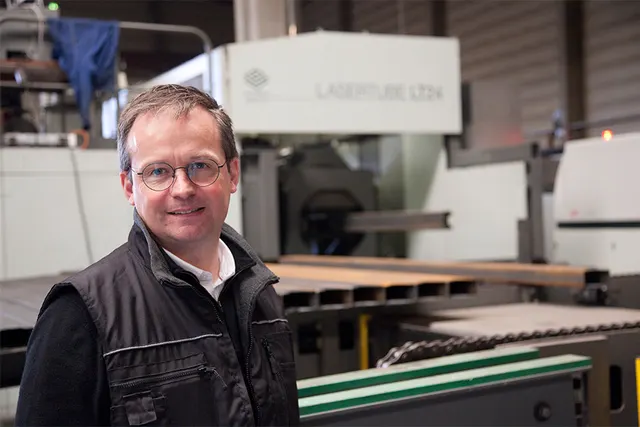
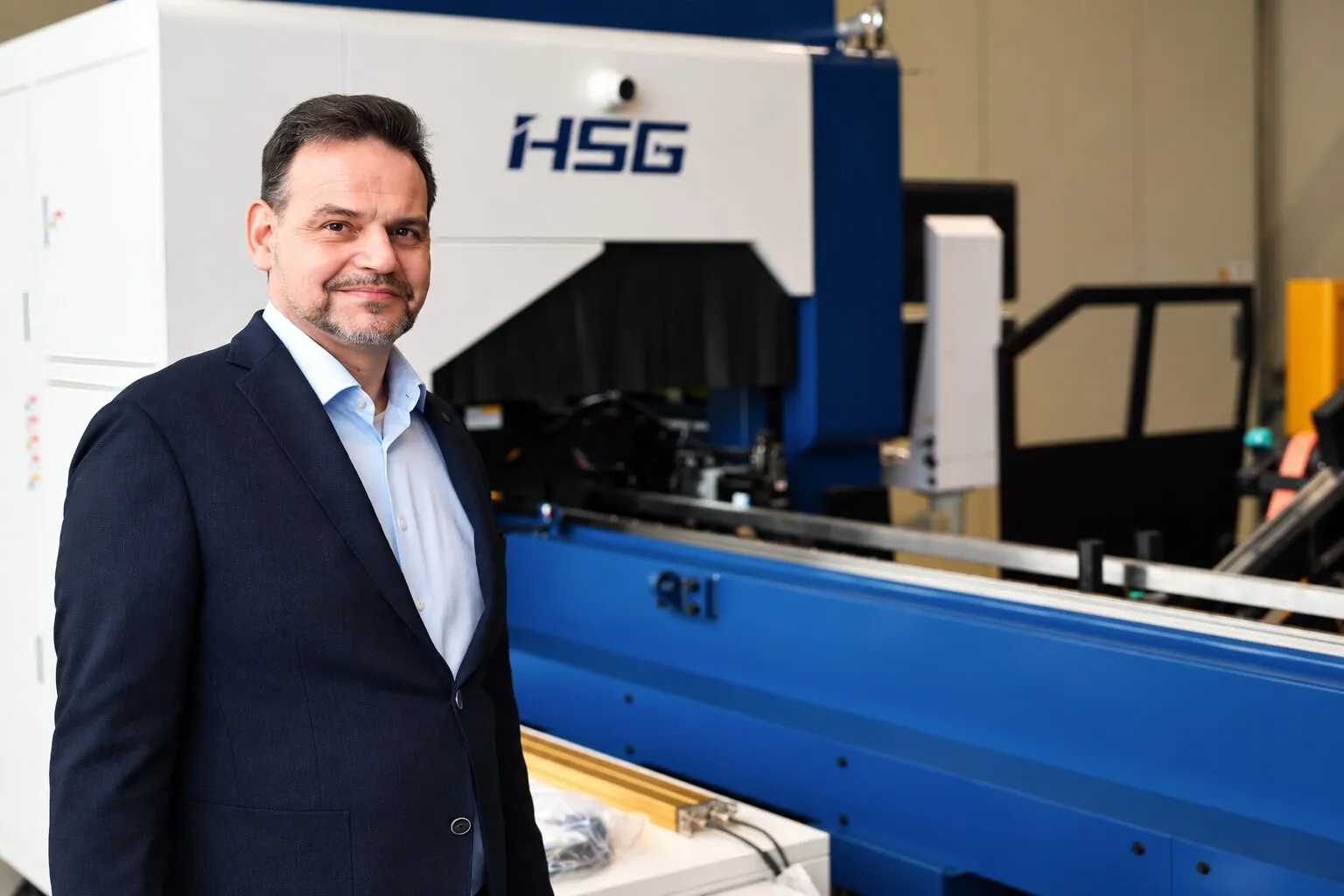
When buying a laser cutting machine, it is easy to focus on power, cutting speed and price. But the return on the investment depends just as much on what happens before and after cutting. Kris Verheyen, sales engineer at Landré for HSG Laser in Belgium, knows this from experience. He started out as a flatbed laser operator more than 25 years ago and later worked in 3D laser cutting, CNC programming and production planning, among other areas. “I’ve worked on every side of the machine. That helps when a customer asks me whether and how they should invest.”
“I never start with a machine. I start with what is happening in the workshop: what do they make, what do they outsource, where is work piling up and who will be operating the machine?” During a walk around the workshop, Kris Verheyen looks beyond the cutting process. An ageing sawing and drilling line, parts being moved several times or an operator manually unloading every cut part can all slow production down. “The bottleneck is often not the cutting itself, but what comes before or after it. If you don’t spot that, you’ll sell the wrong machine.”
That is why future applications are discussed too. The best configuration needs to suit today’s work without losing sight of tomorrow’s growth.
Kilowatts do not make a business case
More laser power does not automatically mean higher returns. Kris Verheyen recalls a customer who wanted to cut 30 mm-thick plate, including bevels. That application required 20 kW for a 45-degree bevel. Straight cutting and bevels of up to 30 degrees were possible with 12 kW. “The question is: how often do you cut 30 mm material at 45 degrees? If that is the exception, you’re paying tens of thousands of euros for a few per cent of your work.”
Conversely, on a heavily used machine, more power can reduce the cost per part. Cutting gas, energy, consumables, operation and finishing all count, as well as cutting time. “You work out the return per part: electricity, gas, consumables, operating time and finishing. Not in kilowatts on a brochure.”
Automate with both feet on the ground
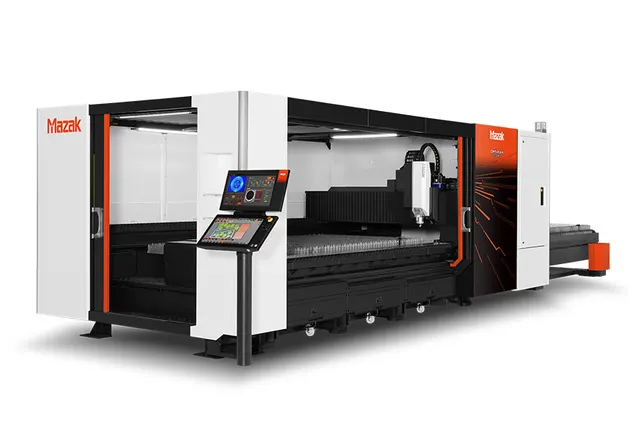
Staff shortages and the desire to produce unattended for longer make automation attractive. Yet the most extensive solution is not always the wisest. Sometimes a 12-metre shuttle table, with enough sheets ready to keep production running for longer, is all that is needed, without a full automation tower.
“The question is always: what is the simplest solution that will keep your production running?”, says Kris Verheyen. Production planning and process knowledge remain essential. Software can take on a lot, but it cannot make every decision needed to process a varied workload efficiently.
A good installation starts before delivery
Once the machine has been chosen, workshop preparations begin. Electricity, cutting gases, compressed air, extraction and material flows all need to be assessed in advance. Kris Verheyen agrees on site with the customer what is needed and who is responsible for what. “When it’s all in black and white, everyone knows where they stand and there are no surprises on delivery day.”
Extraction is particularly often underestimated, he says. Dust that is not removed adequately can lead to contamination and extra maintenance over time. “I say it on every first visit: don’t skimp on extraction.” The digital workflow also deserves attention. In structural steelwork, files from Tekla and NC1 files need to import smoothly into the nesting software. For a customer working with a variety of file formats, a small utility was developed so the production planner would not have to intervene manually every time.
From the first cut to working independently
Installation is followed by commissioning and operator training. The training is delivered in stages, tailored to employees’ existing knowledge and the company’s applications. At a steel construction company in the Kempen, straight cutting came first. Only once the operators had mastered the machine did they move on to bevel cutting.
After the basic training, employees can learn to make greater use of the machine’s features through advanced courses. Support remains important afterwards, too. Technical files containing diagrams, serial numbers and backups of parameters and cutting tables help diagnose faults effectively. What do customers value most, according to Kris Verheyen? “Trust. A customer wants to know there is someone who knows their machine and will pick up the phone when something goes wrong.” Landré remains involved after installation, providing service and technical support. Thorough diagnosis and clear communication are at least as important as a rapid response.
More control, fewer separate operations
Kris Verheyen is seeing companies bring cutting work back in-house more often. Affordable fibre lasers make this viable, while owning a machine gives them greater control over scheduling and lead times. “When you cut in-house, you control your own schedule.”
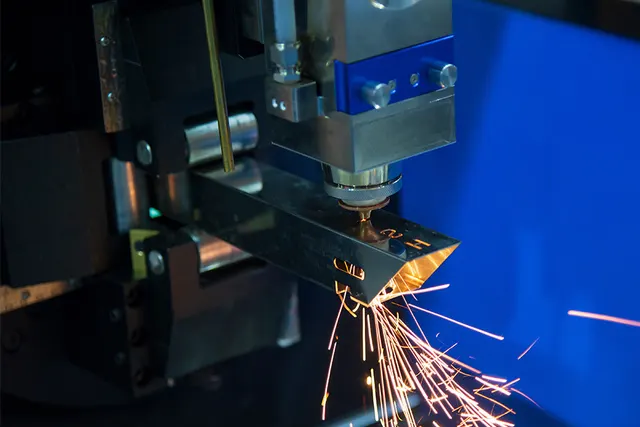
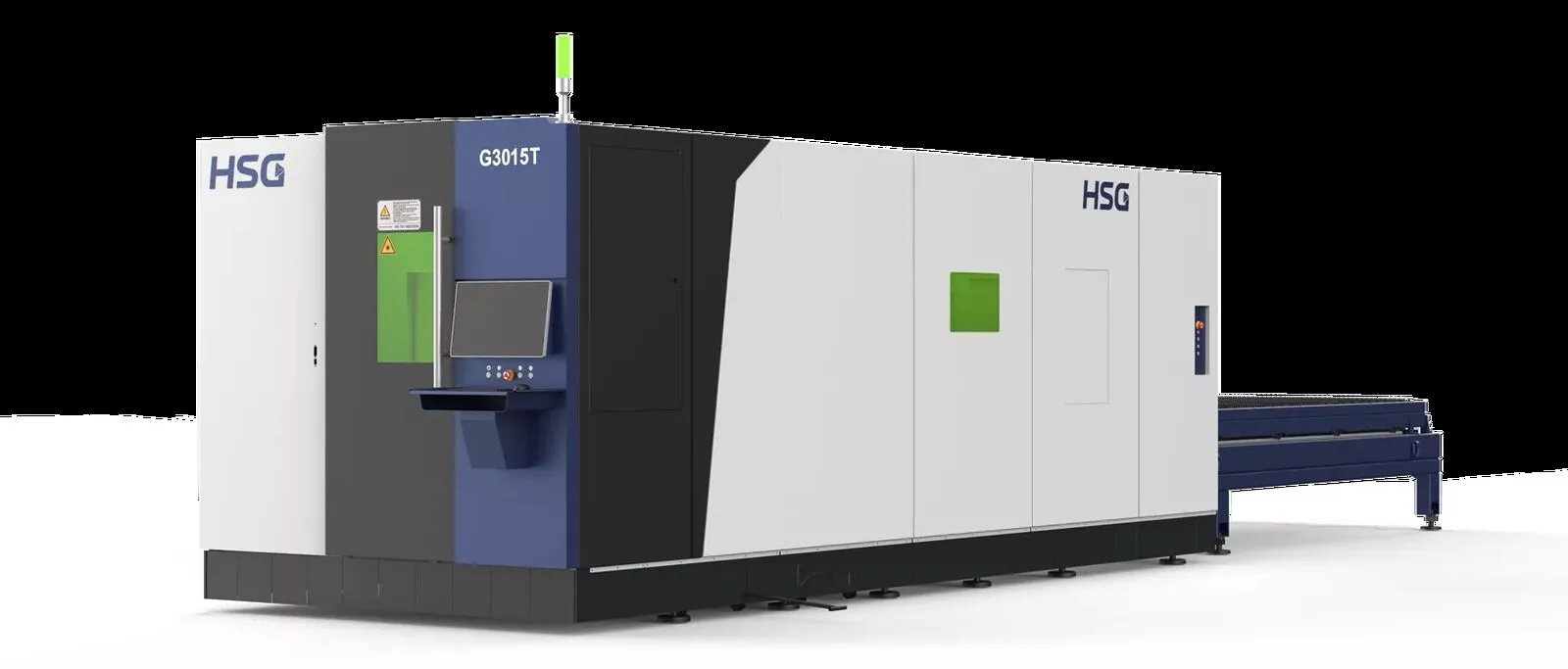
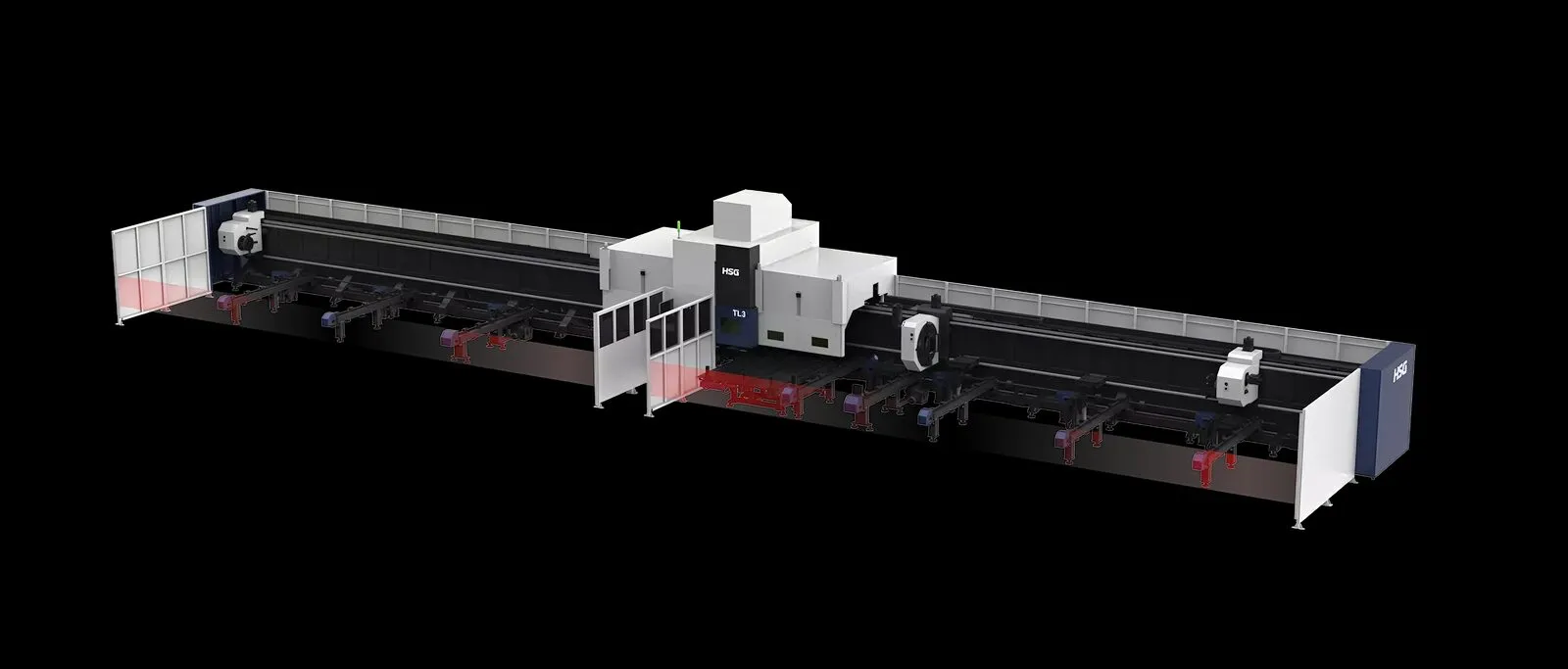
Tube and profile processing is developing particularly quickly. In structural steelwork, lasers can combine cutting to length, making notches and preparing weld edges, eliminating separate operations and handling steps. One example is the HSG TL3 PRO, which can process profiles up to around 350 mm. For sheet processing, Kris Verheyen points to the HSG GT series, which he says combines an attractive price point with strong performance and a high standard of cut quality.
Yet technology is only part of the story. Returns are also shaped by everything around the machine: making the right choice up front, preparing the workshop properly, operators who are confident using their machine, and ongoing support after installation. As Kris Verheyen puts it: “For me, delivering a machine is the start of the relationship, not the end of the sale.”
Een zakelijke vraag aan Landré? Get in touch
Companies in this story
Keep following this
Get an email when a new story is published. No account needed.
- ThemeFaster, more accurate sheet metal processing
- SubjectLasers
- CompanyLandré