











From abrasive to controlled finishing process
Text and images Extrom
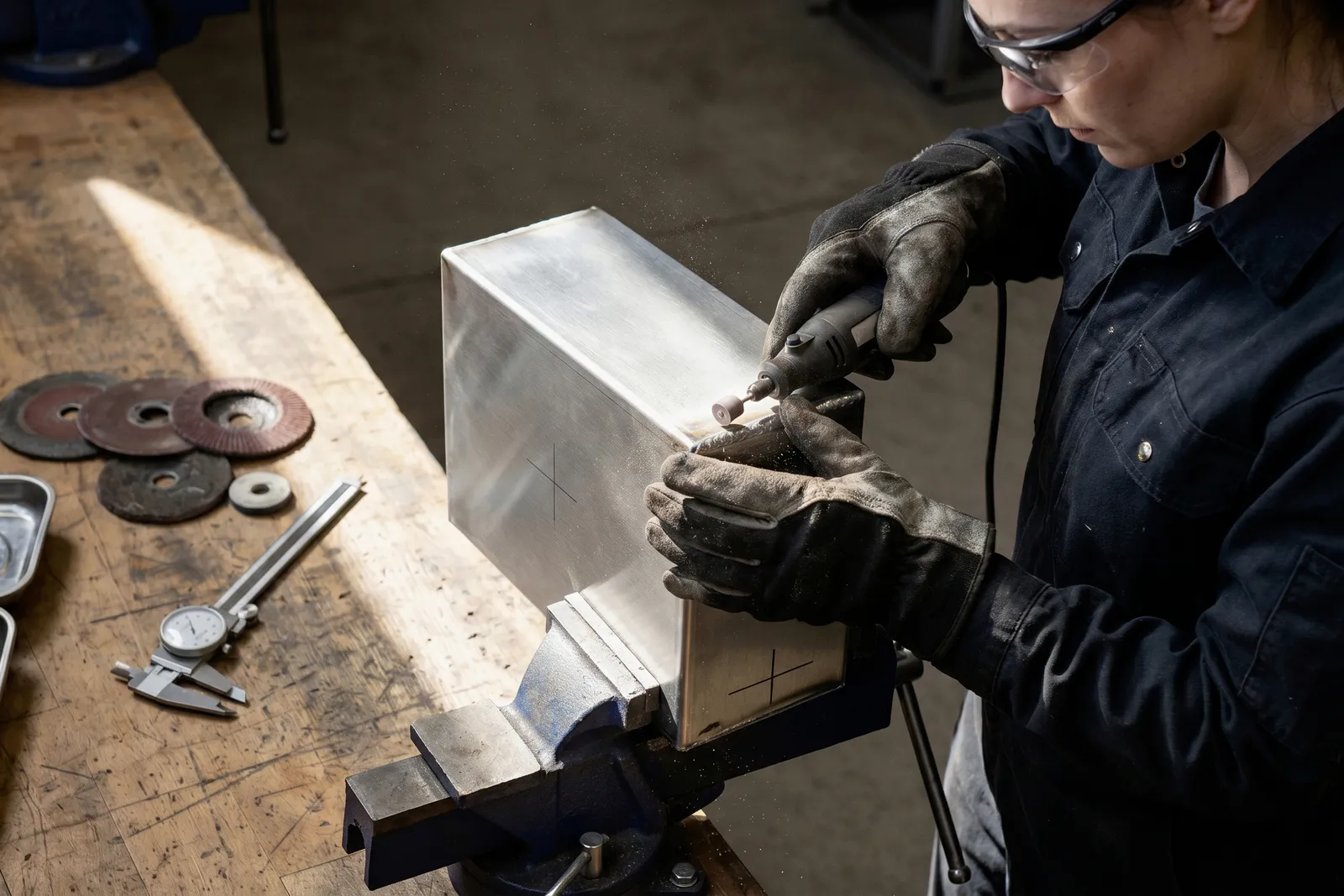
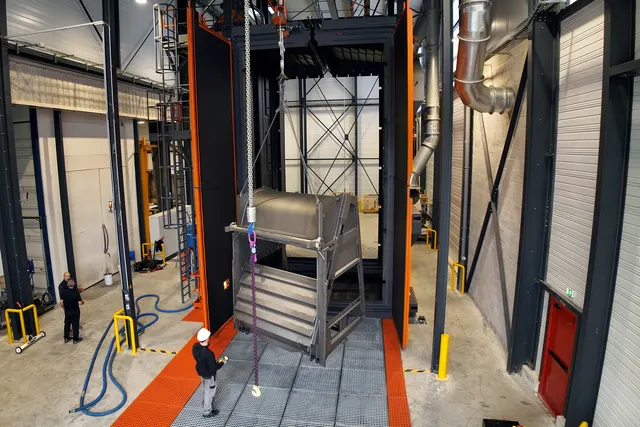
At EXTROM, a request for an abrasive often leads to a much broader analysis. What result needs to be achieved on the workpiece? How consistently must it be achieved, and under what production conditions will the operation be carried out? By bringing machining, finishing, surface preparation, safety and repeatability together, EXTROM aims to turn an individual operation into a controlled process.
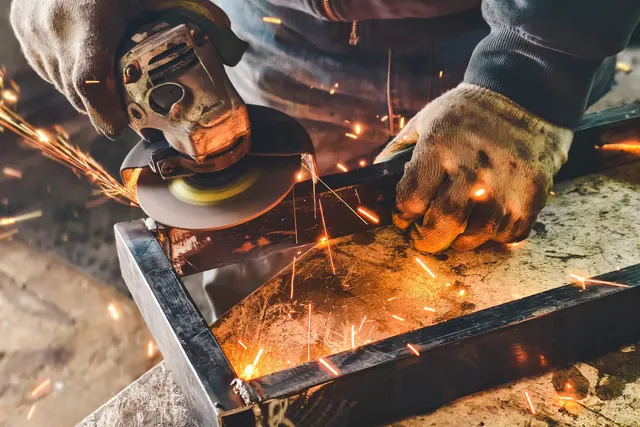
A stubborn burr, an edge that is too sharp, visible tool marks or a decorative finish that varies from one operator to another. A specific request can hide a range of different challenges. Simply suggesting a different abrasive is not enough.
EXTROM sees finishing as a direct continuation of machining. The material, geometry, accessibility, initial condition and next process step all help determine which method is suitable. Deburring, edge rounding, satin finishing or local reworking … each process has different requirements.
Test first, then grind
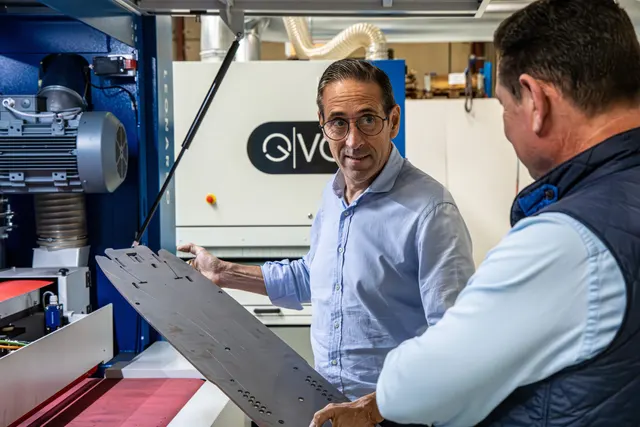
That is why EXTROM tests solutions on customers’ workpieces and under the actual constraints of the production process. The first step is to define exactly what the operation is expected to achieve. Which burrs need to be removed? What radius is required? How uniform must the result be, and will a coating, for example, be applied afterwards?
Combinations of method, consumables and parameters are then assessed. This can include surface quality, consistency, processing time, service life and ease of use. The conclusions always relate to the specific workpiece and the criteria defined in advance.
After validation, the chosen solution is translated into production. EXTROM defines, among other things, the sequence of operations, parameters, materials and inspection points. This creates a method that can be transferred and is less dependent on individual habits.
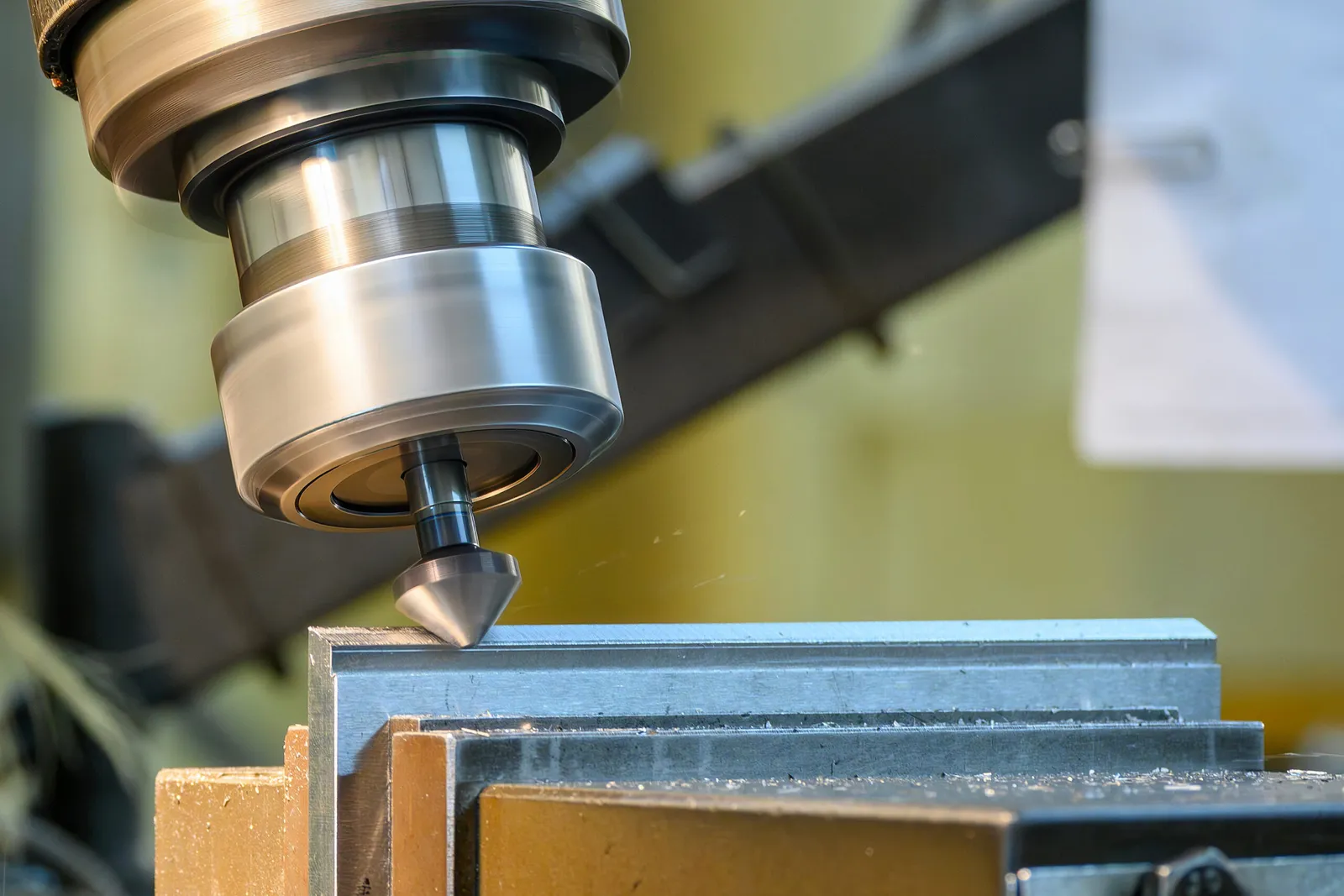
Automate what you control
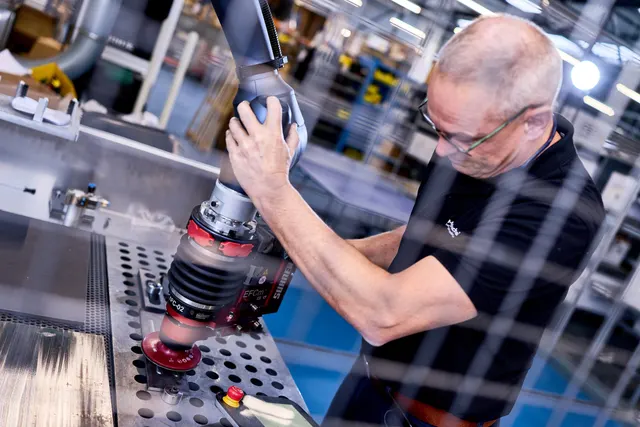
This repeatability also provides the basis for potential automation. Depending on volumes, geometry and product variation, a process can remain manual, be carried out on a dedicated machine or evolve towards a robot or cobot.
Automation is not an end in itself. Only once the process is fine-tuned and the parameters validated does it make sense to reproduce the tool path, pressure, speed or contact time automatically. This makes it possible to automate a controlled process reliably where needed.
The operator matters too
A good finish is not just about the result on the workpiece. Working posture, repetitive strain, grip, noise and dust control affect both working conditions and the repeatability of the operation. Personal protective equipment is also part of the picture. Its selection is based on the risks present and an assessment of the workplace. PPE is therefore considered alongside the working method, tools and dust control.
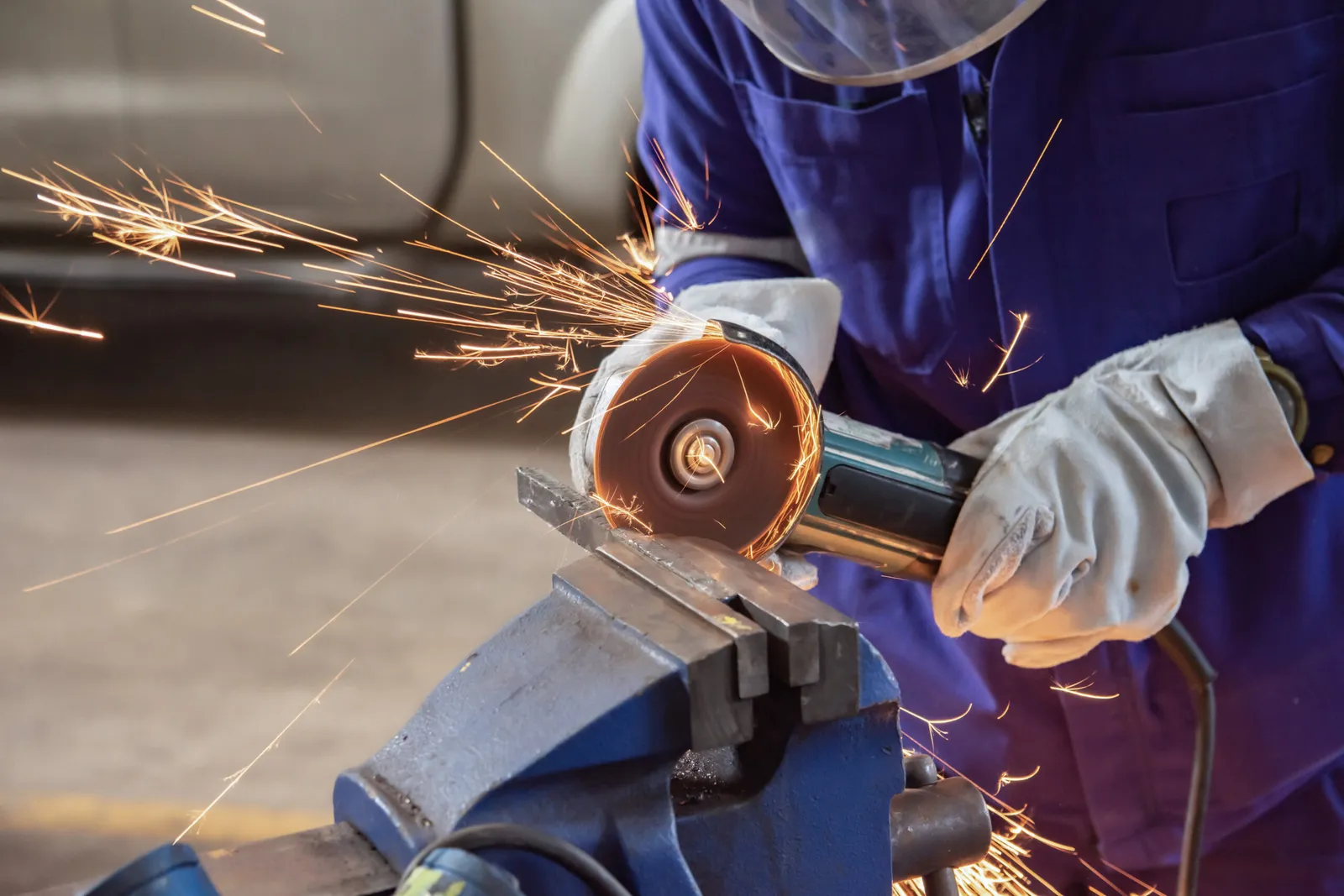
Continuity means planning ahead
Validated consumables also become important for production continuity when they are critical to quality and results. Identifying critical product references and monitoring their availability is therefore part of the implementation.
If alternatives are needed, they are tested against the same criteria. A similar product description does not automatically mean that an alternative will perform the same way on the workpiece. Validating it in advance prevents a supply issue from suddenly becoming a production issue too.
More process, less product
By bringing all these elements together, EXTROM’s role shifts from supplier to process partner. The starting point is not the abrasive, but the result required on the workpiece. Testing, comparing, validating and implementing then translate that requirement into a repeatable production method.
Finishing thus becomes less a matter of experience or habit and more a process that can be understood, controlled and automated where necessary.
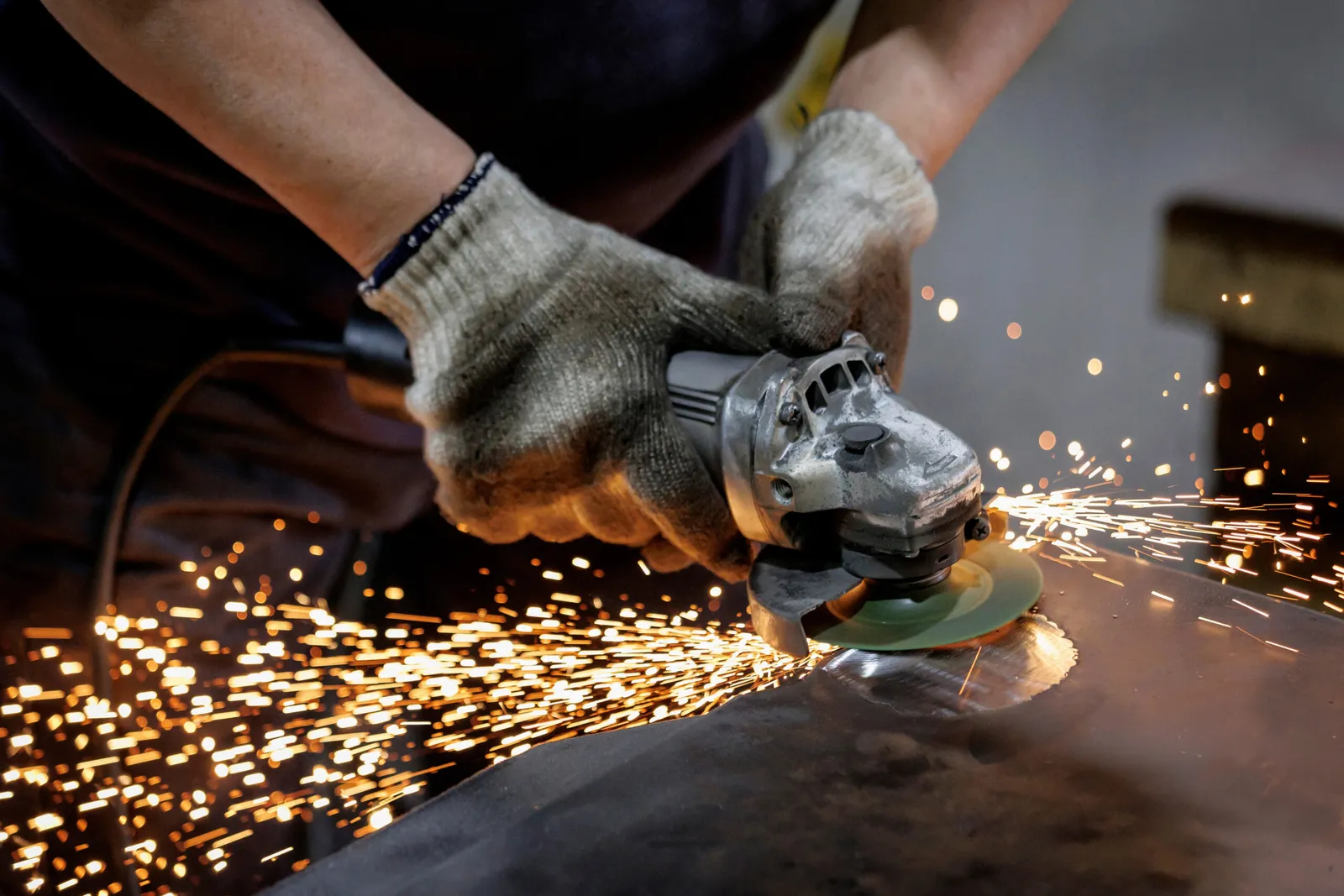
Een zakelijke vraag aan Extrom N.V.? Get in touch
Companies in this story
Keep following this
Get an email when a new story is published. No account needed.
- ThemeMetal finishing and protection
- SubjectSurface treatment
- CompanyExtrom N.V.