











Five-axis machining, from advanced technology to industry standard
Text Valérie CouplezImage iStock
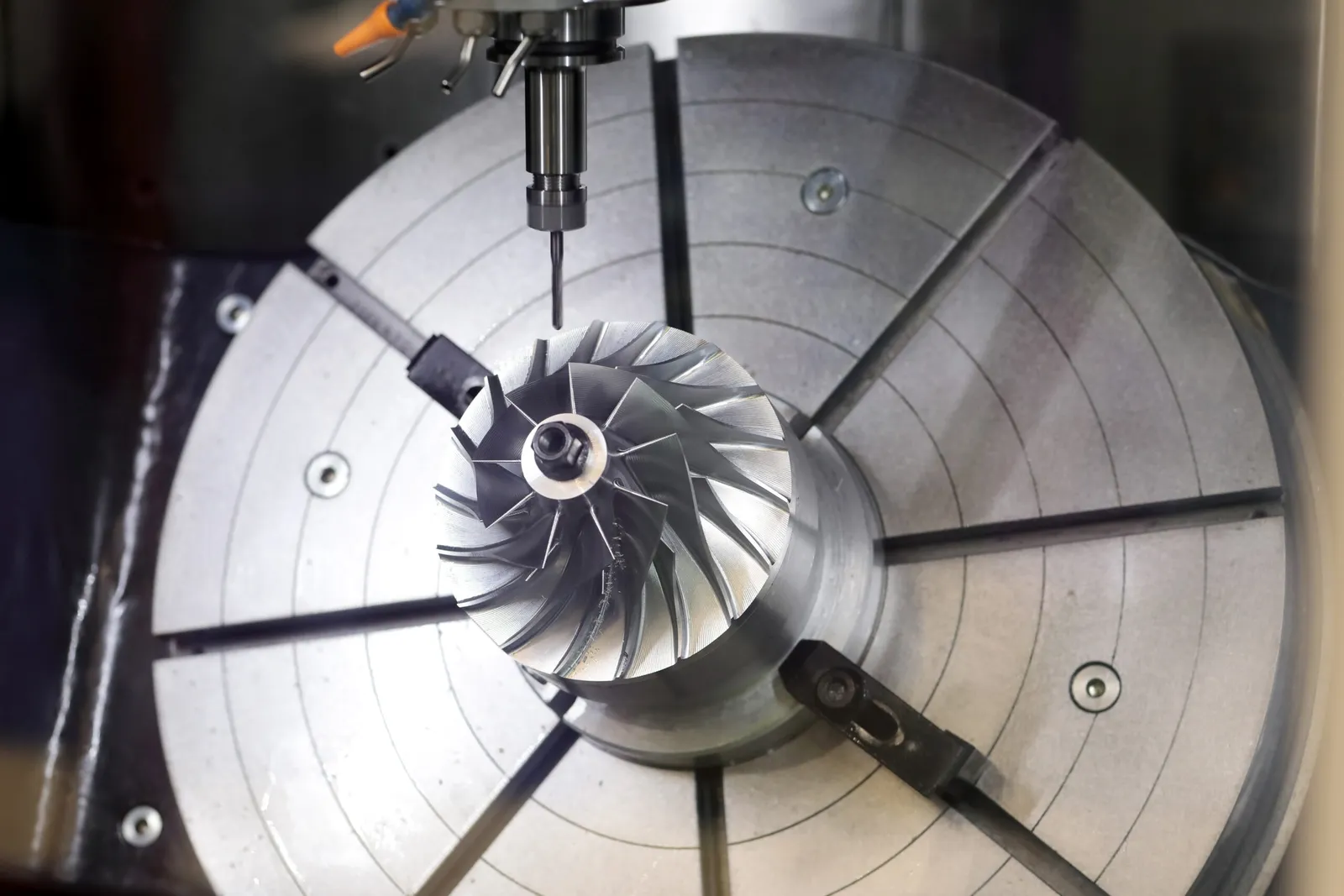
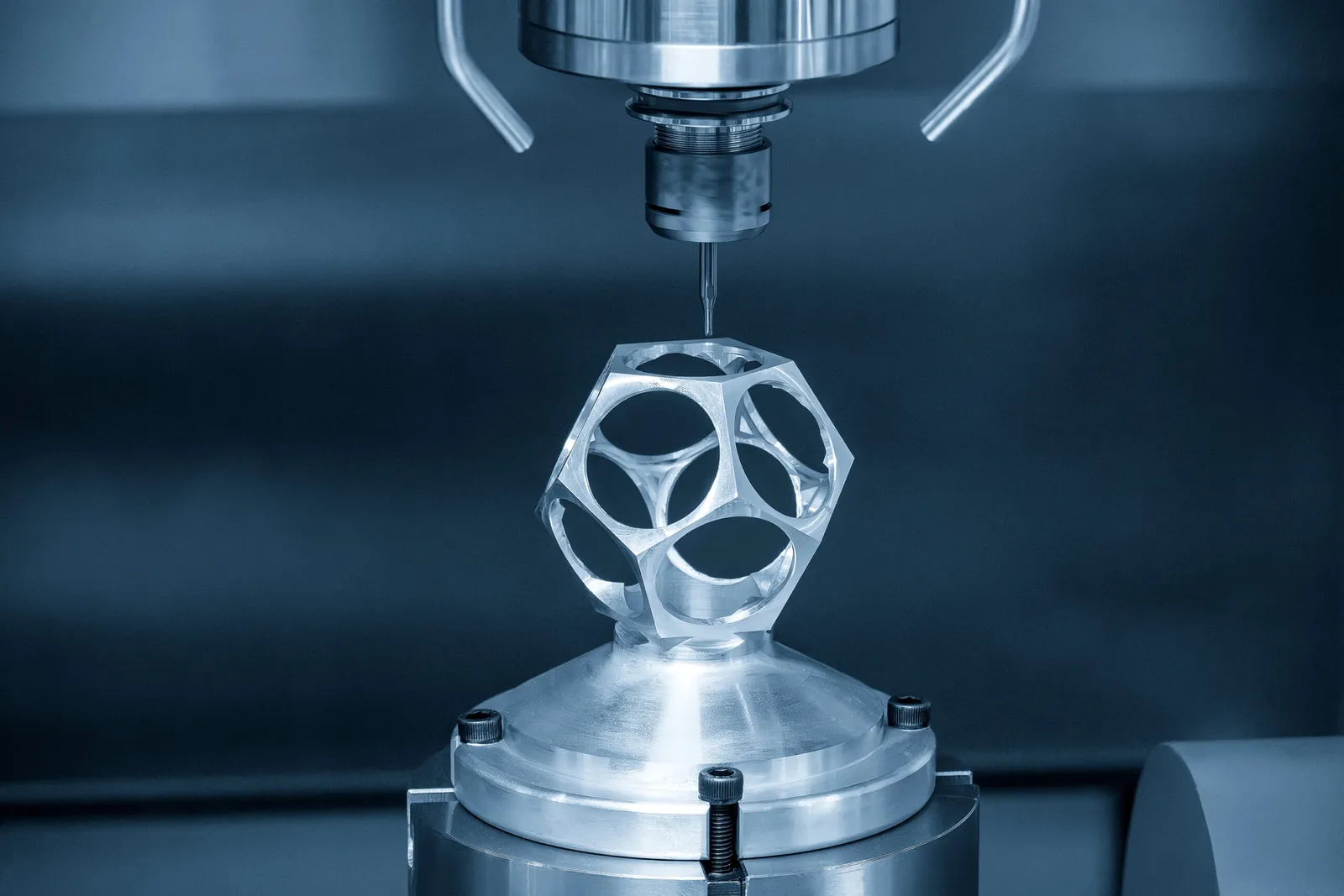
Five-axis machining has fundamentally changed the way we mill parts. Originally an advanced technique for machining complex shapes, it has now become almost the industry standard for optimising CNC milling. Using five-axis machines cuts machining time, delivers greater precision on complex parts and improves the overall production process. It can even influence the way we design.
The biggest change in the machining industry in recent history was the rise of automation and numerical control: CNC. These developments have fundamentally changed the role of operators and the way engineers design for manufacturability. However, this innovation also brought mechanical limitations. The need for greater mechanical precision and the ability to mill complex shapes led to the development of the five-axis machine.
Initially, five-axis machining was reserved for expensive parts with tight tolerances, but that has changed over time. With fewer workholding changes required, the ability to achieve high precision, the use of CAD to create smooth, accurate parts and falling prices, five-axis machining is gradually becoming the standard for milling production. In some cases, using five-axis machining is even cheaper than using a traditional three-axis machine.
The benefits of a ‘hands-off’ approach
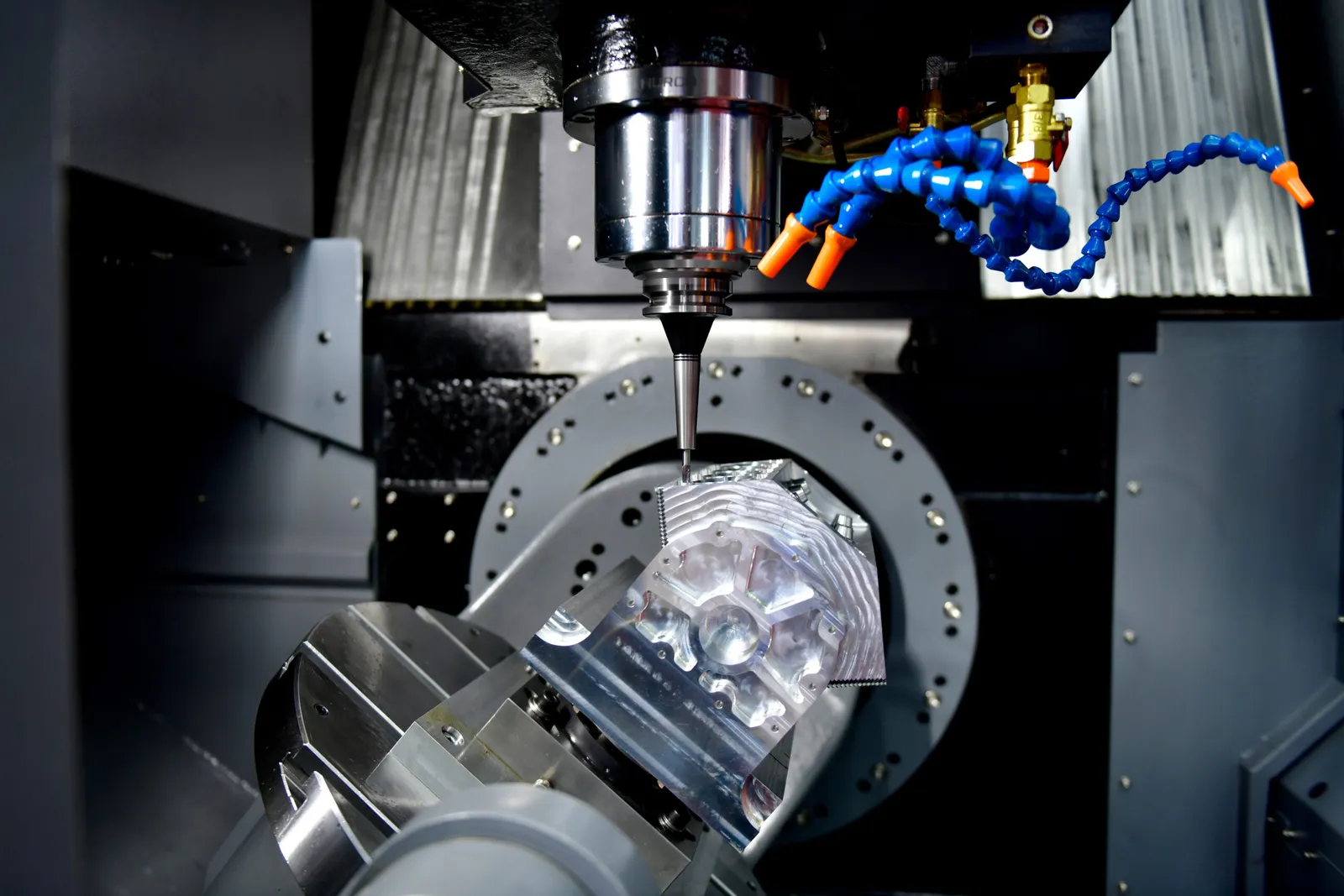
To recap how five-axis machines work, they have two additional rotary axes compared with traditional three-axis machines. This means fewer workholding changes during machining and greater precision on complex parts. It also enables CNC machines to produce the smooth, even generative designs conceived using modern CAD tools. With the time saved by making fewer changes and taking a more ‘hands-off’ approach to operating the machine, five-axis production is often cheaper for machine shops than using more ‘primitive’ machines.
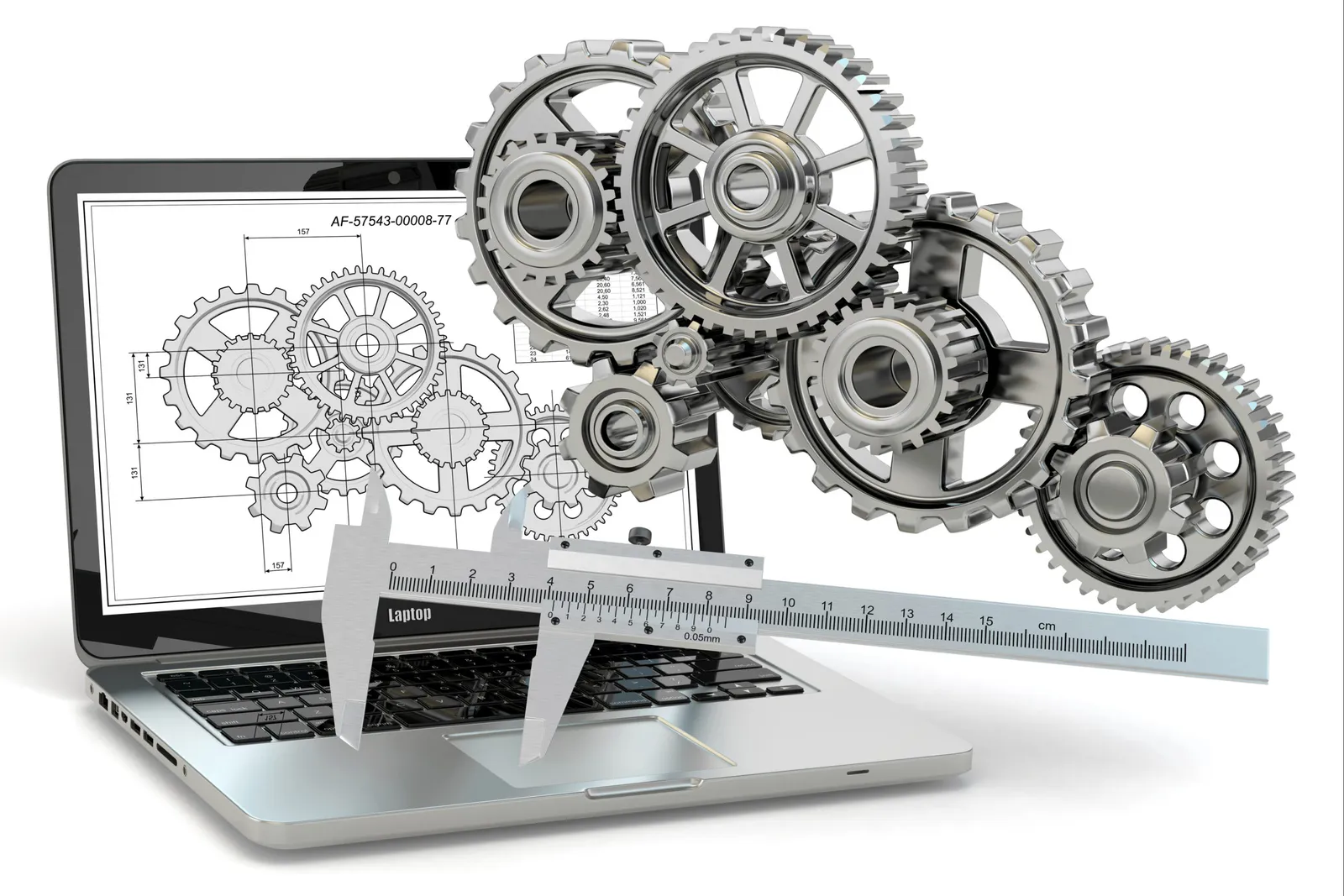
The rise of five-axis machining is also linked to changes in manufacturing, with production planning shifting to the office. Programming is done less often at the machine and more frequently using CAD/CAM software. These changes have led to the rise of 3D printers, a technology enthusiastically embraced by mechanical engineers because it brought prototyping and production directly into the office. Five-axis machines seem to offer nothing but benefits for operators, right? That is true to some extent, except in one important area: designing for manufacturability.
Rethinking workflows
Our workflows and the way we design parts are rooted in understanding how a part will be manufactured, or at least they should be. While this approach is sound, our mindset often lags behind improvements in the manufacturing industry. After all, it is difficult to overcome our deep-rooted resistance to change in mechanical design.
Research into recent growth trends in the manufacturing industry has shown a significant increase in five-axis machining in recent years. Our design considerations need to reflect this. While five-axis machining is not a silver bullet for modern manufacturing in its current state, it is an important catalyst for further innovation in industrial design. By rethinking our design workflow, we can make even greater use of the many improvements brought by five-axis machining, even for simple parts.
The proof is in the axis
The additional rotary axis offered by five-axis machining brings benefits that go far beyond part tolerances.
Although five-axis machines are more expensive than three-axis machines, they save time, leading to significant cost savings over the long term. The proof really is in the additional axis. The added flexibility from having to build fewer custom workholding fixtures or make fewer changes along the way benefits everyone in the production cycle.
As well as cutting costs, five-axis machining allows engineers to design more complex parts. They were already doing so with modern CAD software, but those designs could sometimes be difficult to manufacture in practice. Five-axis machining is therefore a practical and timely way to improve the manufacturability of complex designs. By bringing our complex designs to life, we can make better-performing products, perhaps even with fewer components. Five-axis machining allows us to design and manufacture shapes with parts that are more complex than ever before, at higher speeds and lower cost.
The future of five-axis machining
Innovation lies at the heart of manufacturing companies and the future of production here in Europe. Five-axis machining is a very real tool available to the manufacturing industry, and its use in production will only increase. Let us rethink the way we design today with this new tool in mind. Perhaps you missed it, or perhaps you saw it coming, but now is the time to incorporate five-axis machining into your design-for-manufacturability approach, if you have not already done so. Innovation waits for no one.
Question about this story? Ask your question
Keep following this
Get an email when a new story is published. No account needed.
- ThemeGetting more from machine tools
- SubjectNews