











Why machine suppliers are reshaping their playing field today
Text Bavo BoutsenImage Industrial Fairs
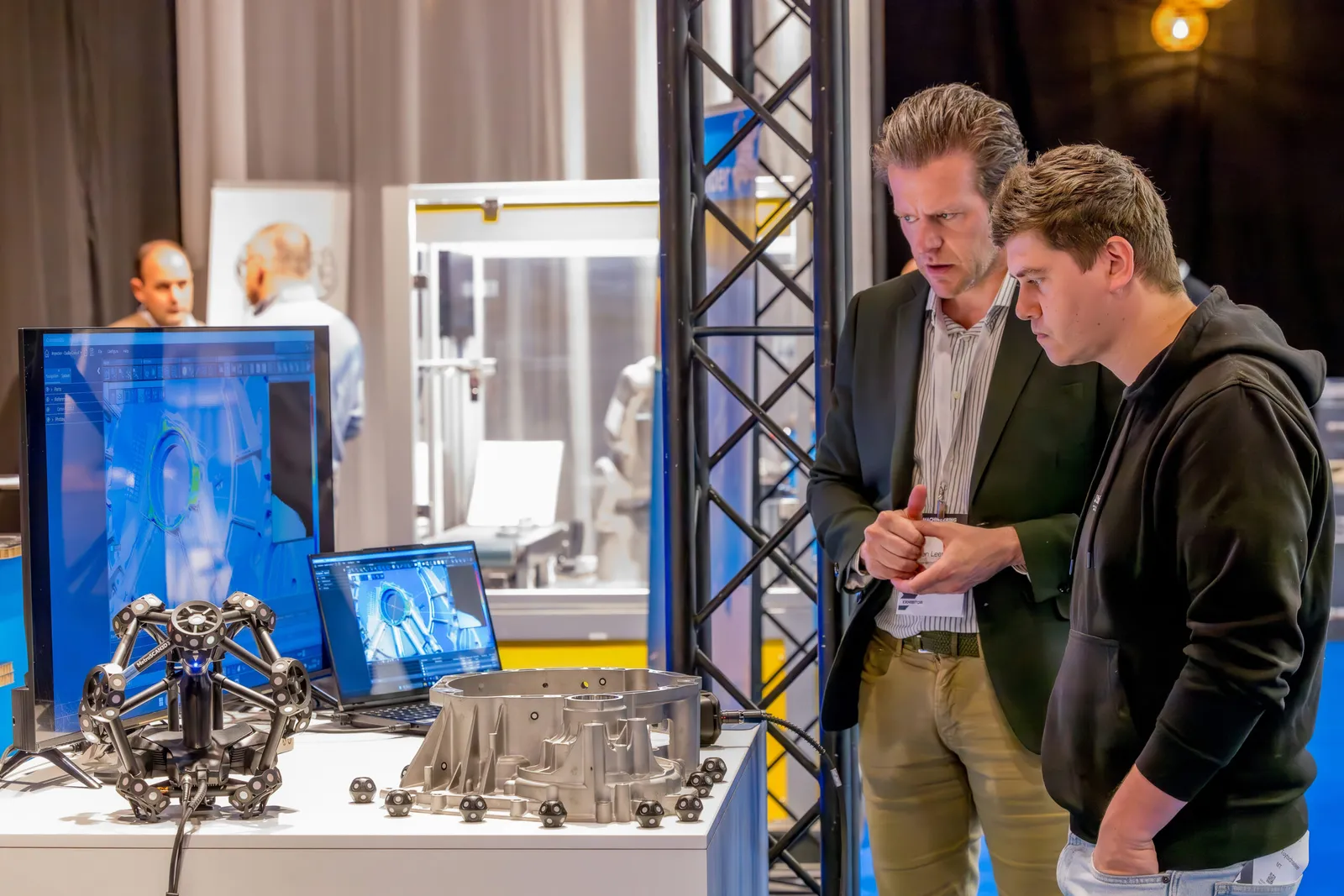
The future of the metalworking and machine-building sector will not be determined solely by stronger machines or smarter software. It will depend above all on people who can connect technology, processes and expertise. Automation does not make the human role less important. On the contrary, tomorrow’s multidisciplinary shop floor will need more expertise. We brought a panel of experts together for an in-depth discussion.
Modern machine shops have evolved into complex hubs of advanced technologies. “About fifteen years ago, our sector was more like a gently flowing stream. Today, it is a fast-flowing river,” says Filip Tuypens of Fanuc, a global pioneer in industrial automation, summing up the transition. At the same time, economic realities are forcing players in this market to make very careful use of the resources available. Customer expectations are also continuing to evolve. Innovation is therefore vital, but there is no room for a misstep on a journey of transformation like this.
Further automation
In practical terms, customers are looking for greater flexibility and reliability above all. Meeting these expectations means companies must organise themselves even more intelligently and flexibly. In many cases, that means operating on several playing fields at once and exploring new sectors. Shipbuilding, aerospace and defence, for example, are seen as the main growth drivers at present.
“You also inevitably have to think about further automation. Machines simply need to be able to run autonomously for longer. This means operators have fewer repetitive tasks to perform, and production processes can be changed over,” says Wim Bogaerts of Okuma, a world leader in CNC machine tools and machining process optimisation. “If we keep producing in the traditional way, we will inevitably be overtaken. We have to choose this path if we want a future for our manufacturing industry,” adds Tuypens.
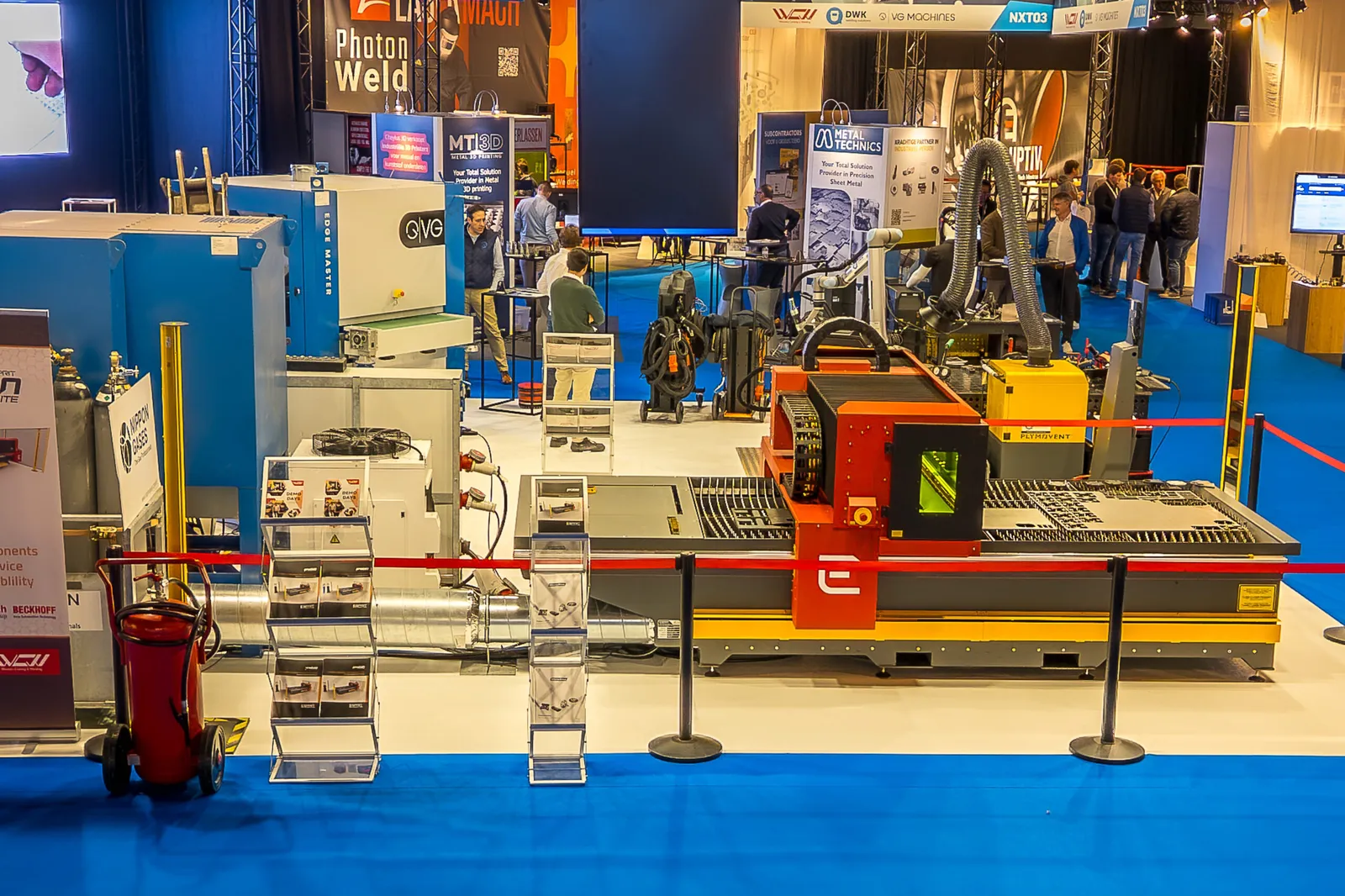
High complexity, low volumes
This has also profoundly reshaped the role of machine suppliers in recent years. Customers now expect support throughout the entire process: from machine selection to the automation around it, software control, integration with measurement systems and staff training. “Machine development has become something where virtually anything is possible. The difference lies in how you make the most of those possibilities by integrating them into your operations. Throughout this process, our aim is to take as much of the burden off our customers as possible,” Wim Bogaerts continues.
Real innovation is no longer confined to the machine itself, but encompasses everything that happens around it. In short, the key to the metalworking and machine-building sector today lies in the smart integration of technologies. And this is where Belgian and European manufacturers have their greatest opportunity. They must dare to focus on high complexity and lower volumes, even in the face of cheaper foreign competition.
A multidisciplinary ecosystem
Growing political attention to industrial policy and strategic autonomy is playing into the sector’s hands. But, as almost everyone agrees, this can only deliver results if it is underpinned by strong faith in what Belgium’s machine-building and metalworking sector can achieve together as a whole.
“In other words, partnerships are essential, but they are also what makes our sector so exciting,” explains Willem Meert of MEMA Machinery & Tools, an importer of machines, accessories and tools for the metalworking industry. That is precisely why the sector needs to think even more in terms of a multidisciplinary ecosystem of machine builders, integrators, software suppliers, educational institutions and end customers.
“Customers are still looking for reliable partners who are close by, can respond quickly and offer a high level of service. A local ecosystem can make all the difference,” explains Miquel Van Bellinghen of DMG Mori, an international player in machining and metalworking.
Talent with a broad skill set
Perhaps the biggest challenge of all is, and remains, a human one, even in an age of high technology. The sector needs people who want to shape these modern production environments. Updating training provision is more pressing than ever. “What is currently on offer, particularly in secondary education, still relies too heavily on traditional subject silos, clearly distinguishing, for example, between mechanical and electrical engineering. But what we need are people who can start from real production processes and have a broad understanding of different sectors,” says Willem Meert. “The gap between what people are taught and what customers need has widened, so we have to reinvent ourselves in this respect. We all agree on this challenge. It is also, of course, a matter of perception. Look at what is happening in defence right now, where they have managed to build a positive image that encourages people to get involved. We should try to do the same: show that our sector has a future,” concludes Wim Bogaerts.
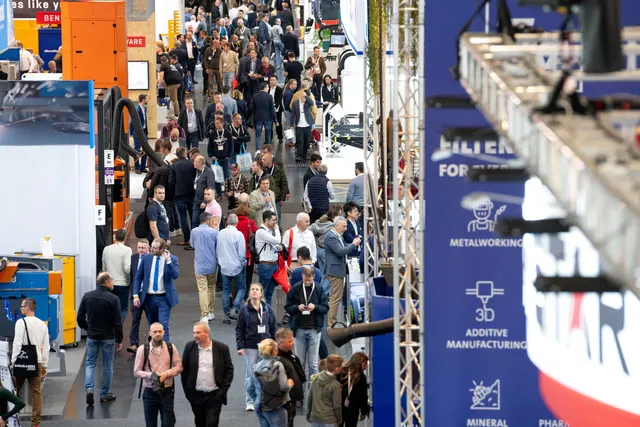
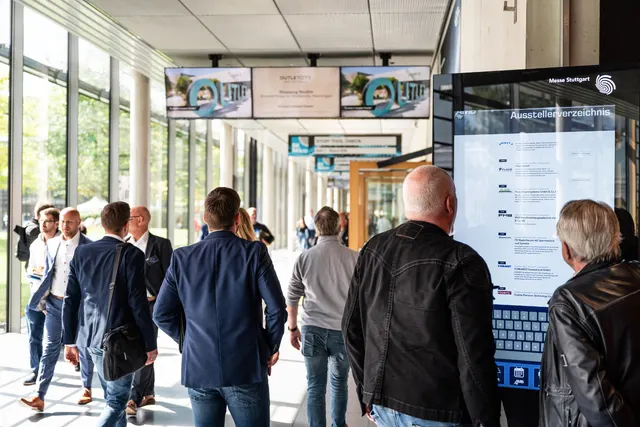
We recorded a podcast discussion with these experts in connection with the Machineering NextGen Experience trade fair. You can listen to it at www.metaalvak.be.
Question about this story? Ask your question
Companies in this story
Keep following this
Get an email when a new story is published. No account needed.
- ThemeShop floor automation
- SubjectEvents
- CompanyFanuc