











What’s changing in CAD/CAM software?
Text Valérie CouplezImage iStock
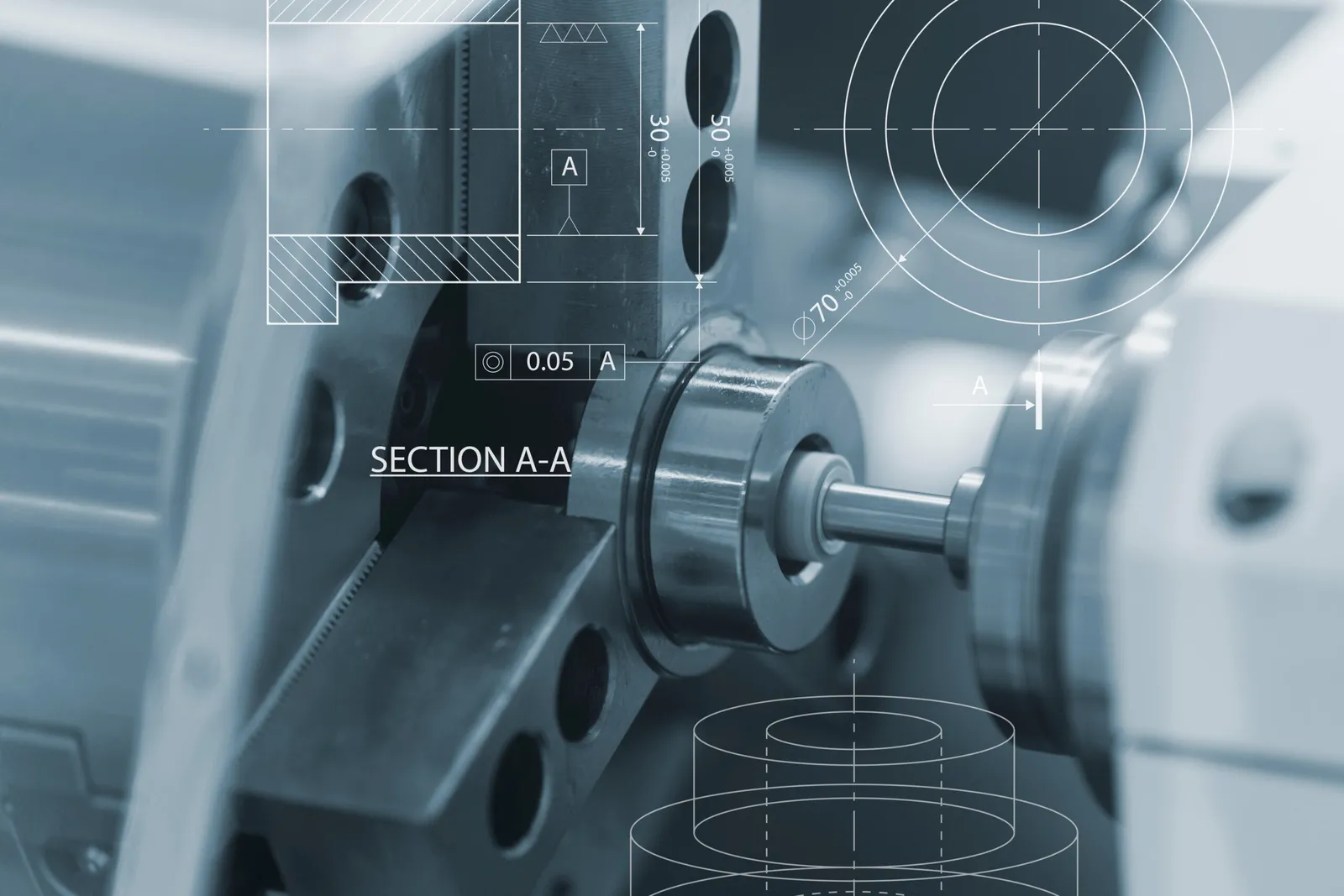
The world of CAD/CAM is constantly evolving. Changes go beyond individual toolpath strategies or user interface updates. The latest trends point to a shift towards fully connected engineering environments, where design, simulation and shop-floor execution are closely linked through modern CAD/CAM systems rather than isolated point solutions. In this article, we define and examine the key trends in CAD/CAM software.
One of the most striking trends for 2025-2026 is the growing integration of artificial intelligence (AI) and machine learning into CAD/CAM systems. AI-driven algorithms are being developed to optimise toolpaths, recommend machining strategies and predict potential problems before they occur. This level of intelligence not only boosts productivity, but also narrows the skills gap, enabling less experienced operators to produce complex parts with greater accuracy.
Hybrid manufacturing capabilities
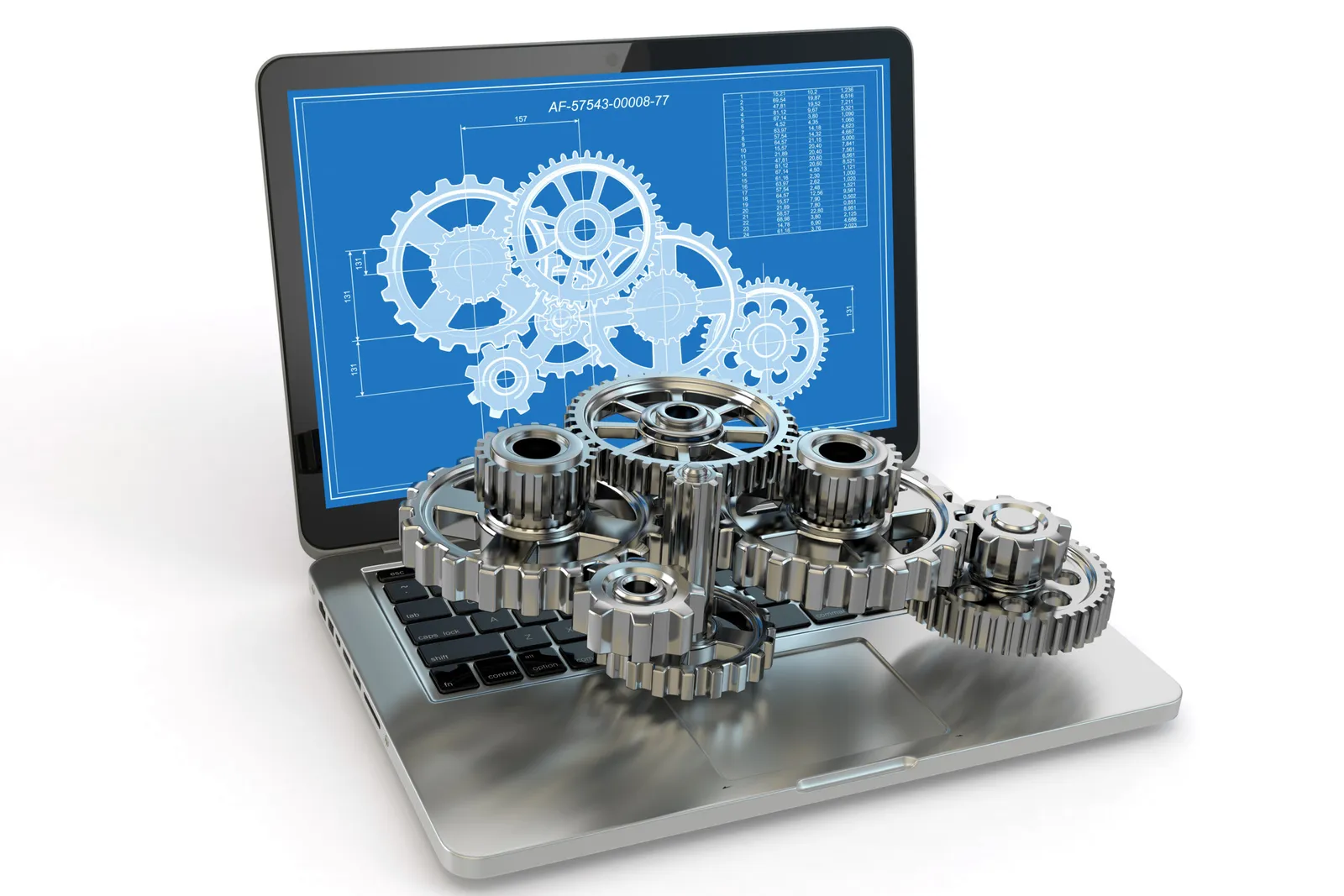
The convergence of additive and subtractive manufacturing is becoming a key focus for CAD/CAM solutions. Hybrid systems that combine 3D printing with conventional CNC machining enable manufacturers to produce complex components with improved material properties and shorter production times. CAM software is evolving to handle these hybrid processes seamlessly, providing greater control over the transition between additive and subtractive steps in a single operation.
For many businesses, this is the point at which additive processes cease to be experimental and become part of a reliable production workflow. Toolpath strategies, build sequence and material recognition are increasingly planned together, with CAD/CAM treating 3D printing and milling as one continuous process rather than separate departments exchanging data through file exports.
Improved support for five-axis and multi-axis machining
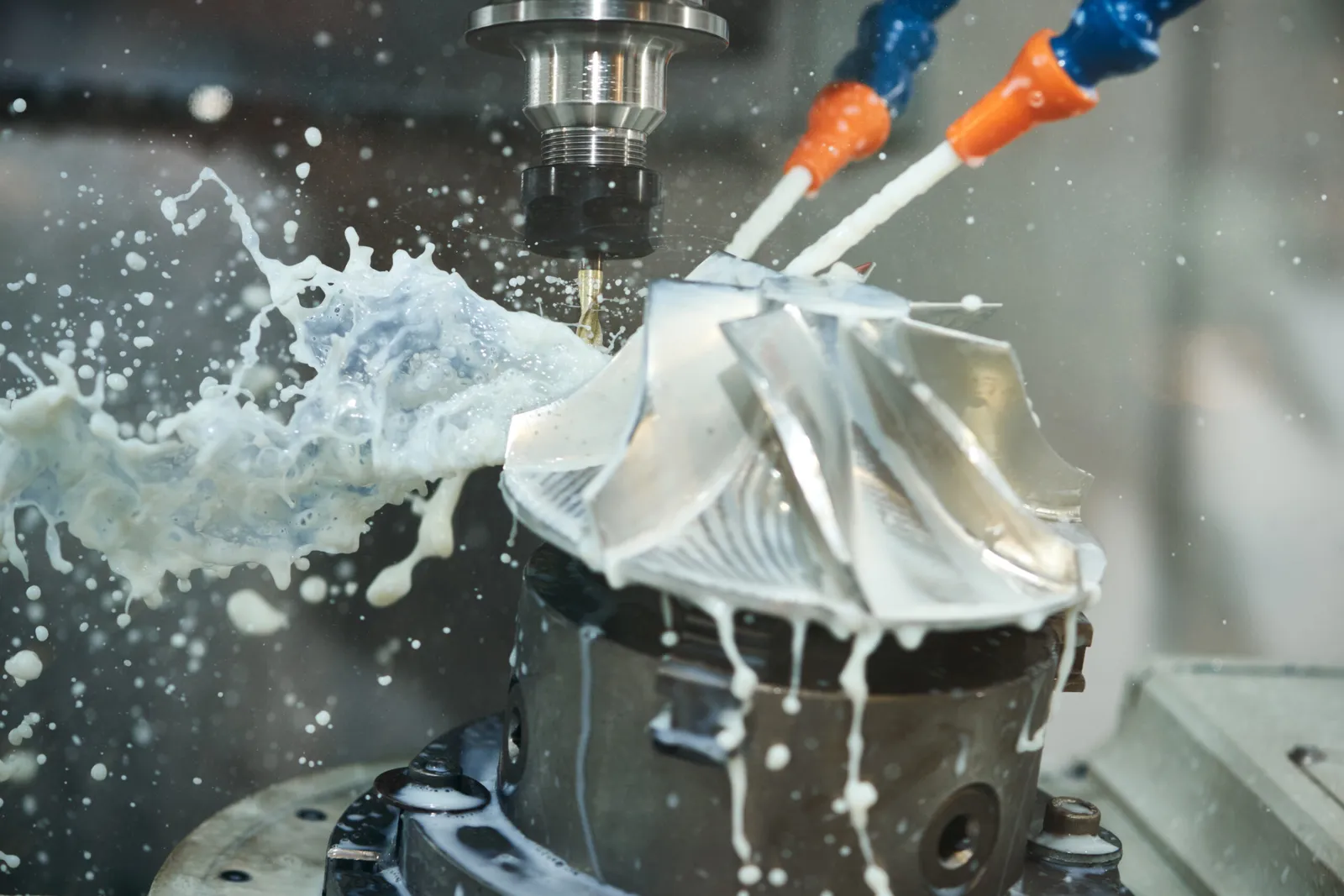
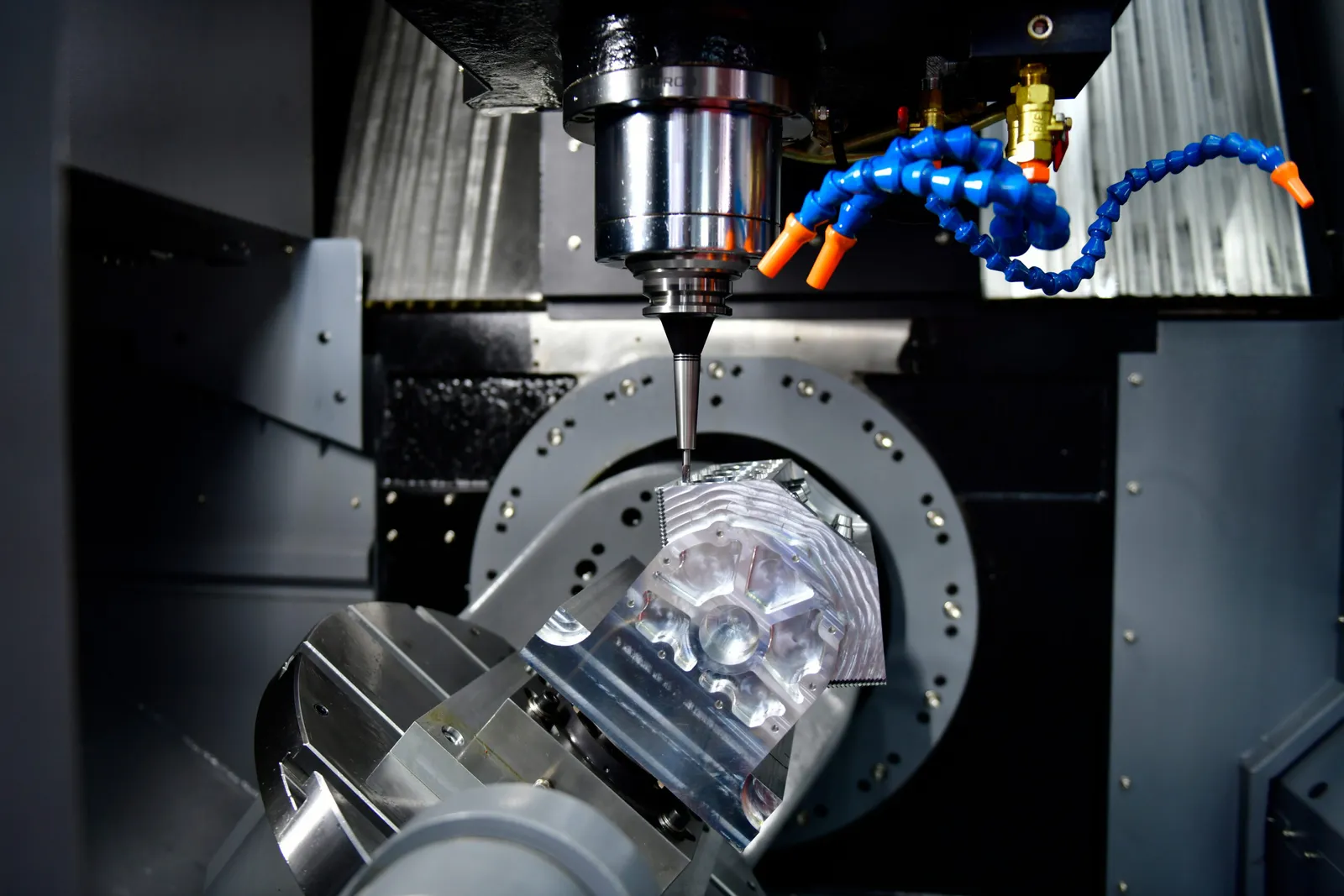
Demand for five-axis and multi-axis machining continues to rise, particularly in sectors such as aerospace, automotive and medical device manufacturing. CAD/CAM software is expected to offer improved support for complex multi-axis machining, with more intuitive programming options, better simulation tools and automatic collision detection. These advances enable manufacturers to push the boundaries of design without compromising precision or safety.
Digital twin integration
The concept of digital twins, virtual replicas of physical machines and processes, is gaining popularity as a way to improve predictive maintenance and streamline operations. CAD/CAM software will increasingly incorporate digital twin capabilities to enable real-time monitoring and simulation of machining processes. This integration helps manufacturers optimise their operations and minimise downtime by identifying potential problems before they occur. Rather than conducting separate offline studies, many teams will treat the digital twin as a living model that reflects the current state of the machine, control system, tooling and NC code.
Advanced simulation and verification tools
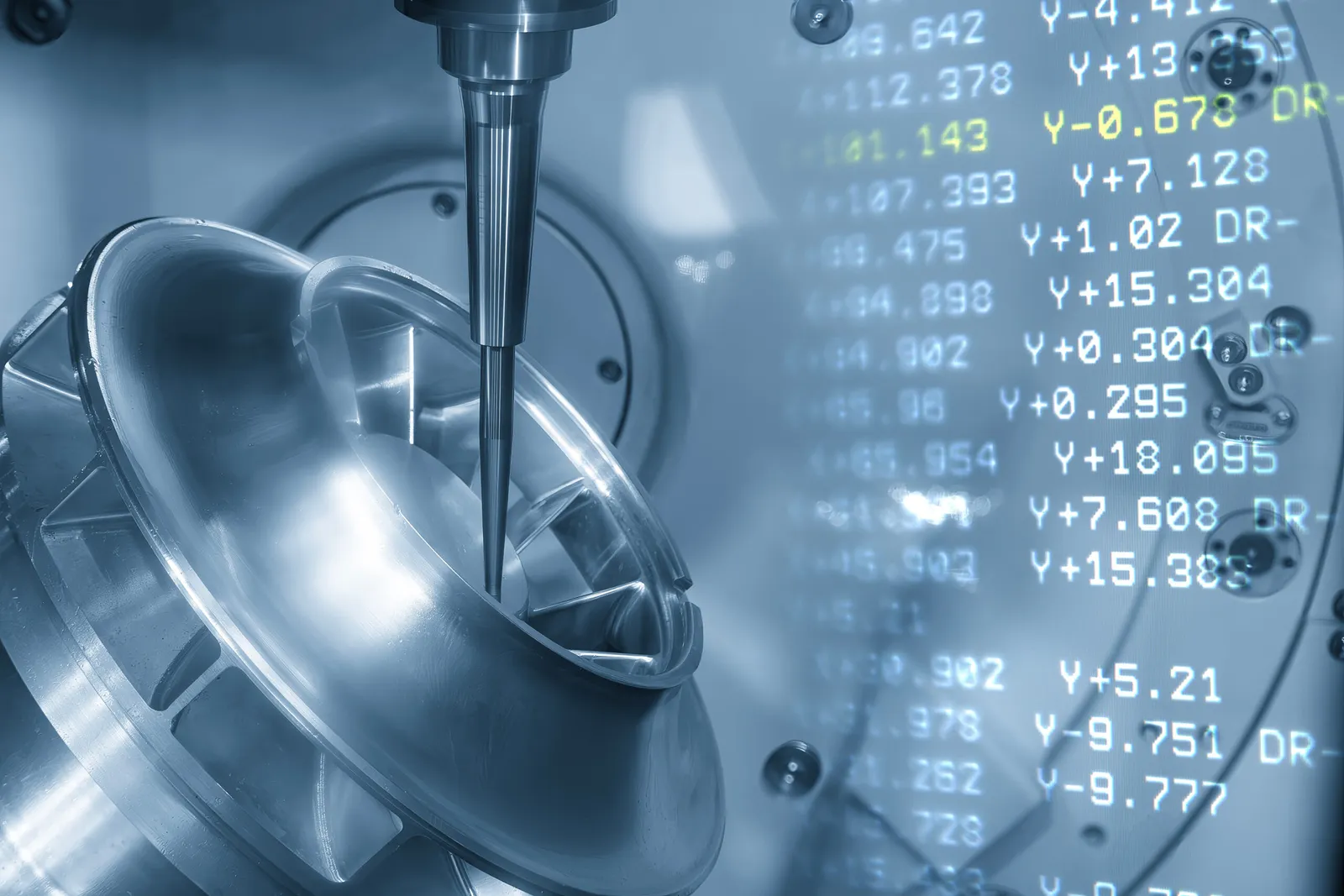
The ability to simulate machining processes accurately is crucial to reducing errors and waste. As technology advances, CAM software will offer improved simulation and verification tools that provide a highly detailed view of how parts will be machined. These tools will include material behaviour models, thermal analysis and tool wear predictions to help users develop more reliable and efficient machining strategies.
The boundaries between CAD, CAM and CAE technologies are also becoming blurred. Toolpath verification, structural analysis and kinematic checks are no longer separate disciplines, but complementary ways of validating the same manufacturing intent before anything reaches the shop floor.
Sustainable manufacturing practices
Environmental sustainability is becoming a priority for many industries, and CAD/CAM technology has a role to play. Expect more CAM software to include features focused on material optimisation, energy-efficient toolpaths and sustainable manufacturing methods. Companies will use these advanced tools to minimise waste and improve their carbon footprint while maintaining production efficiency.
User-friendly interfaces with comfort features
User experience is becoming a top priority, and CAD/CAM developers are working on interfaces that are not only functional but also comfortable to use. ❯More software platforms will offer user-friendly interfaces with customisable options, including the popular dark mode, which reduces eye strain and improves concentration during long programming sessions. This focus on user comfort will help people work more efficiently and with fewer distractions.
Real-time data feedback
Integrating IoT devices into manufacturing processes makes it possible to feed real-time data back into CAD/CAM systems. This data loop will help operators monitor operations more closely, make real-time adjustments and keep machines in optimal condition. This trend will improve process reliability and reduce downtime through continuous process monitoring and adaptive machining.
Focus on user education and training
As CAD/CAM systems become more advanced, effective training and education are becoming increasingly important. Software vendors will continue to expand their educational resources with interactive tutorials, virtual training environments and certifications. This focus will ensure that users can keep pace with technological advances and make full use of modern CAD/CAM tools.
Conclusion
The CAD/CAM landscape is undergoing profound change. The trends described here show how quickly expectations are shifting: from isolated desktop tools to connected platforms that understand a part’s entire lifecycle, from design and verification to shop-floor execution and the wider factory environment.
For engineering teams, keeping pace with these developments means rethinking how projects are defined and delivered. Rather than treating CAD, process planning, simulation and robot programming as separate stages, companies are increasingly designing workflows in which data flows consistently through modern platforms from day one, supported by robust CAM software and closely integrated automation. With support for multi-axis machining and digital twins, CAD/CAM software enables efficient production through an intuitive interface and advanced technology, making it an essential component of modern manufacturing.
Question about this story? Ask your question
Keep following this
Get an email when a new story is published. No account needed.
- ThemeFrom design to digital production
- SubjectSoftware