











The dos and don’ts of outsourcing
Text Valérie CouplezImage iStock

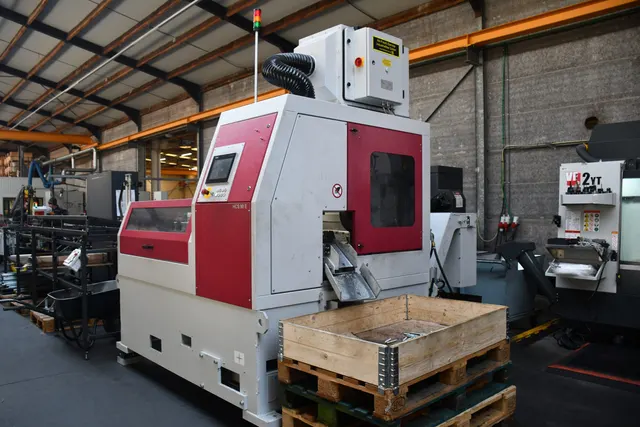
Manufacturers are under constant pressure to deliver high-quality products while keeping costs competitive and production schedules tight. For many businesses, the question is not whether they need metalworking support, but whether these activities should remain in-house or be outsourced to an experienced external partner. Outsourcing metalworking has become a strategic solution for manufacturers looking to increase efficiency, reduce overheads and access specialist expertise without making major investments in equipment or staff. This guide sets out the main advantages and disadvantages to help you decide what is best for your business.
Today’s manufacturing industry demands flexibility, expertise and efficiency. Many companies find that maintaining extensive in-house metalworking capabilities requires significant investment in equipment, skilled labour and floor space, resources that could be put to better use in core activities.
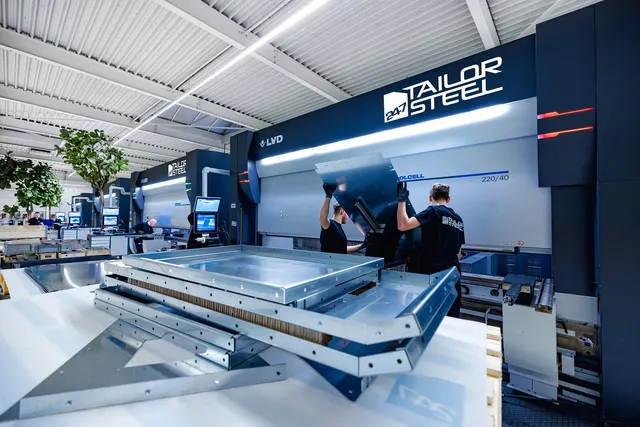
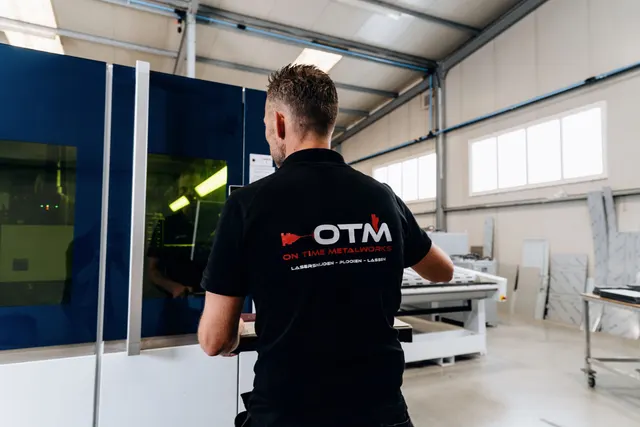
On the other hand, there are companies that provide metalworking services and specialise exclusively in these activities. They bring years of focused experience and an advanced machine park to every project. They have already made the substantial capital investments in machinery and training that would otherwise put pressure on your budget and schedule. Outsourcing also gives you access to specialist capabilities that are only needed occasionally.
The benefits of outsourcing metalworking
Some aspects of metalworking projects can be both time-consuming and less profitable when carried out in-house. That is where outsourcing can make a real difference. By working with a reliable company that has the right machinery, technical expertise and dependable staff, you can shorten lead times and ensure high-quality results for your customers.
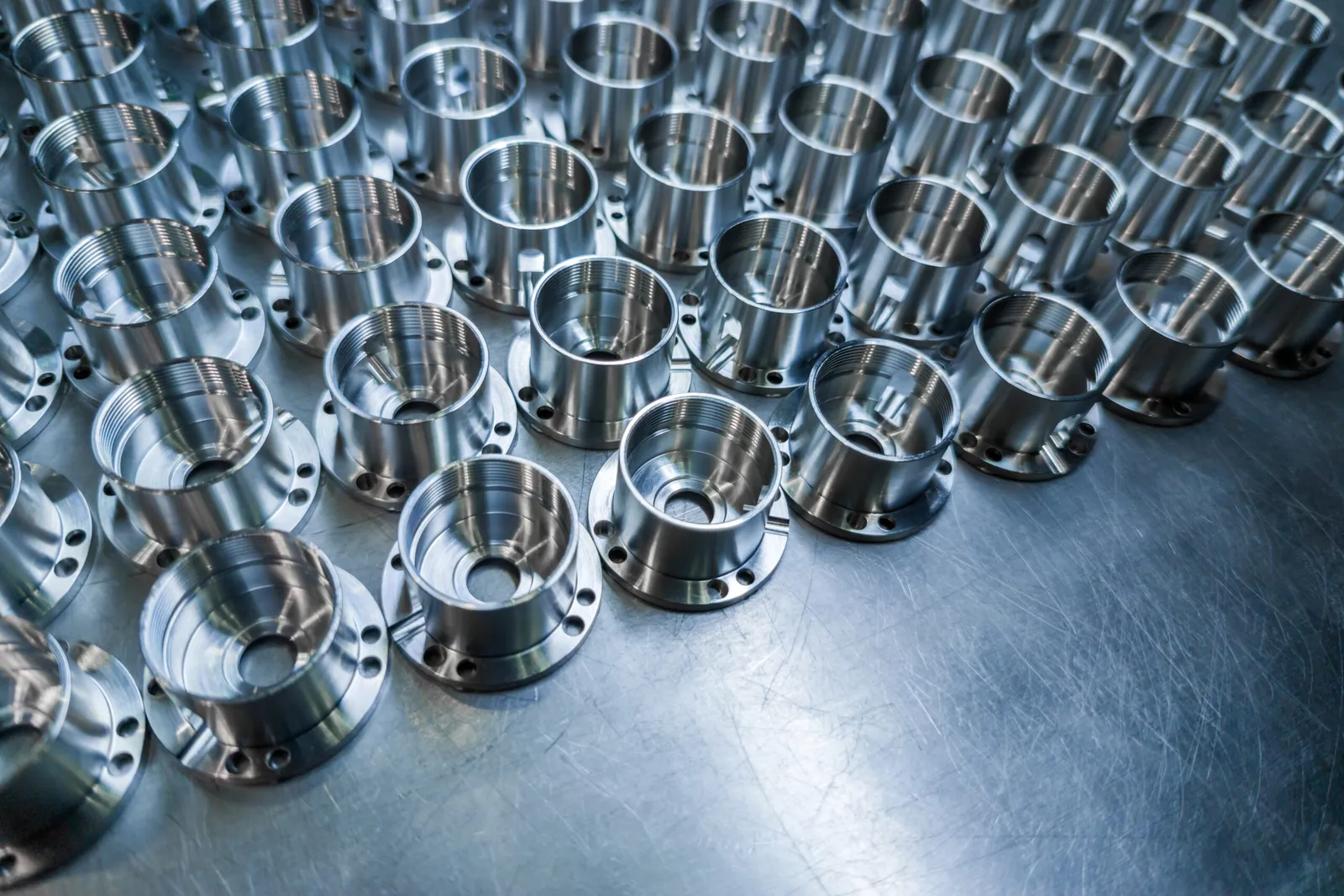
- Cost efficiency: working with external metalworking service providers avoids the need for substantial capital investment in machinery, tooling and infrastructure. You also avoid ongoing costs associated with maintenance, calibration and possible equipment replacement. Labour costs fall significantly too. This approach allows you to turn fixed costs into variable costs, improving cash flow management and financial flexibility.
- Specialist expertise: metalworking subcontractors focus their entire business on perfecting specific processes and techniques. They also have the volumes to invest in the latest technology on an ongoing basis. They understand the properties of different materials, optimum processing parameters and quality standards needed to ensure consistent results. They bring knowledge gained across different sectors and applications, offering insights that can improve your product design and production efficiency.
- Flexibility and scalability: external partnerships allow you to scale operations up or down in line with demand. During peak periods, you can immediately increase production capacity without hiring additional staff or expanding facilities. Whether you need prototype development, small-batch production or large-scale fabrication, subcontractors can tailor their services to your specific requirements. You gain access to capabilities that would be too costly to maintain in-house for occasional use.
- Preserving capital and resources: subcontracting allows you to redirect capital investment towards core activities that drive growth and competitive advantage. Instead of purchasing and maintaining specialist equipment, you can focus your resources on product development, marketing or expanding your primary operations. In-house staff can concentrate on activities that directly contribute to your company’s unique value proposition. This focused approach often leads to greater productivity and innovation in areas where your company has its strongest competitive advantages.

The drawbacks of outsourcing metalworking
As with any project, choosing to outsource also has potential drawbacks. Working with external suppliers introduces variables that can affect product consistency and quality. Communication problems can lead to misunderstandings about specifications, tolerances or delivery requirements. Differences in a supplier’s quality standards or processes may not align perfectly with your expectations.
However, thorough research into potential partners and clear communication protocols can minimise these risks. Setting detailed specifications, conducting regular quality checks and maintaining open lines of communication help ensure that outsourced work consistently meets your standards. In addition, every supply chain carries potential vulnerabilities. External factors such as a supplier’s financial stability, capacity constraints or operational problems can affect your project timelines and delivery commitments. Working with established suppliers with a proven track record of reliability, and maintaining backup options, can help reduce these concerns while preserving the benefits of outsourcing.
Although outsourcing often delivers immediate cost savings, costs may rise in the long term if market conditions change or your volumes increase significantly. Suppliers may adjust their prices in response to demand, material costs or capacity constraints. Furthermore, if outsourced services become a permanent part of your operations, the cumulative costs over time may exceed the investment required to build in-house capabilities. Regular cost analysis and strategic planning help ensure that outsourcing remains financially beneficial as your business evolves.
Choosing the right outsourcing partner for your metalworking services
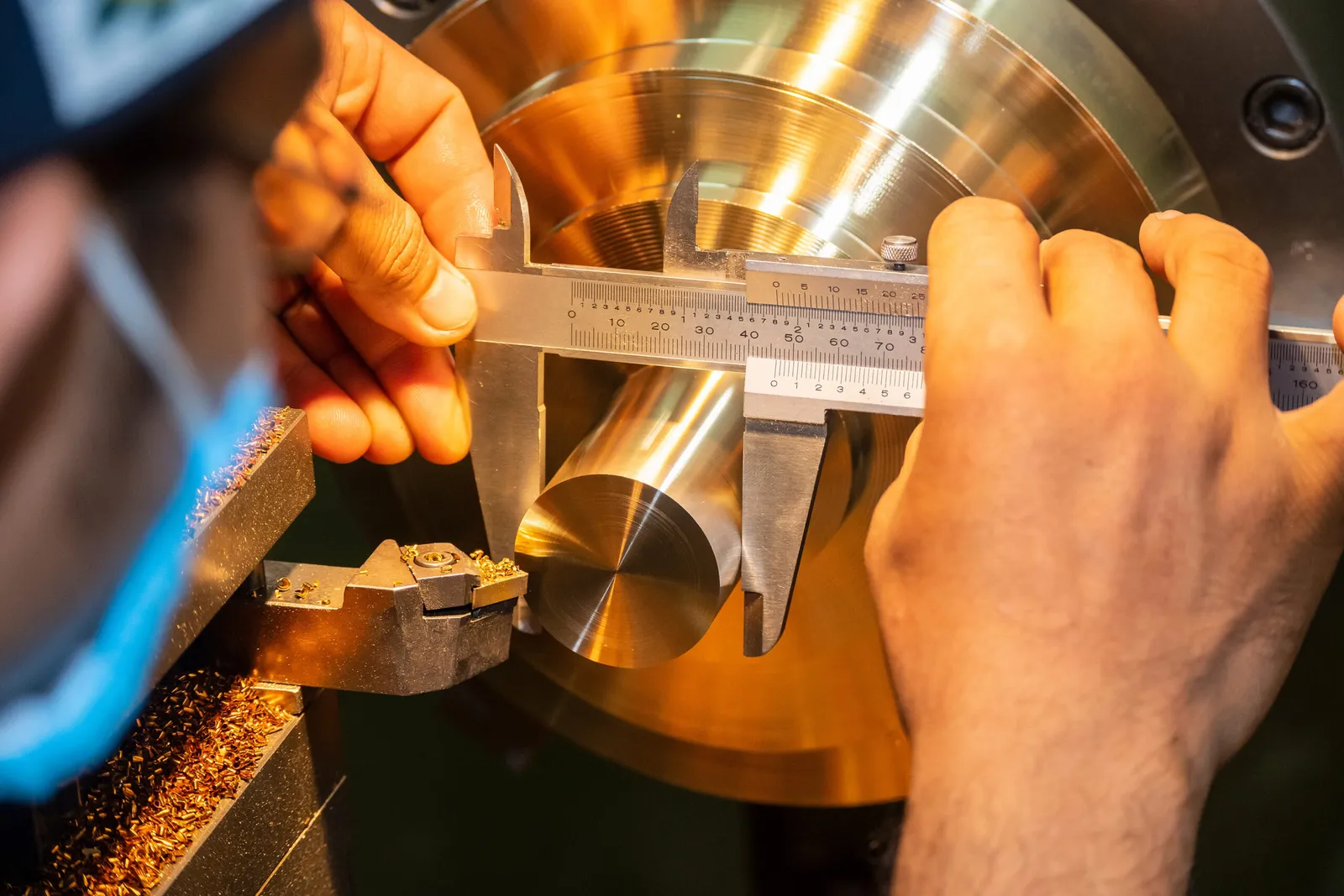
The decision to outsource metalworking services depends on your specific business needs, growth objectives and operational priorities. The companies that benefit most from outsourcing typically have variable demand, limited in-house expertise or strategic objectives that require resources to be focused on core competencies. Look for providers with proven experience, strong certifications, reliable references and the ability to meet your technical requirements. Factor in additional costs such as shipping and quality control, and carry out a comprehensive cost-benefit analysis to compare the two approaches. Choose companies with robust quality programmes and industry certifications. Maintain oversight through regular communication, audits and service level agreements to ensure effective management.
Question about this story? Ask your question
Keep following this
Get an email when a new story is published. No account needed.
- ThemeStronger collaboration in the supply chain
- SubjectSupply