











What makes a good weld?
Text Valérie CouplezImage iStock
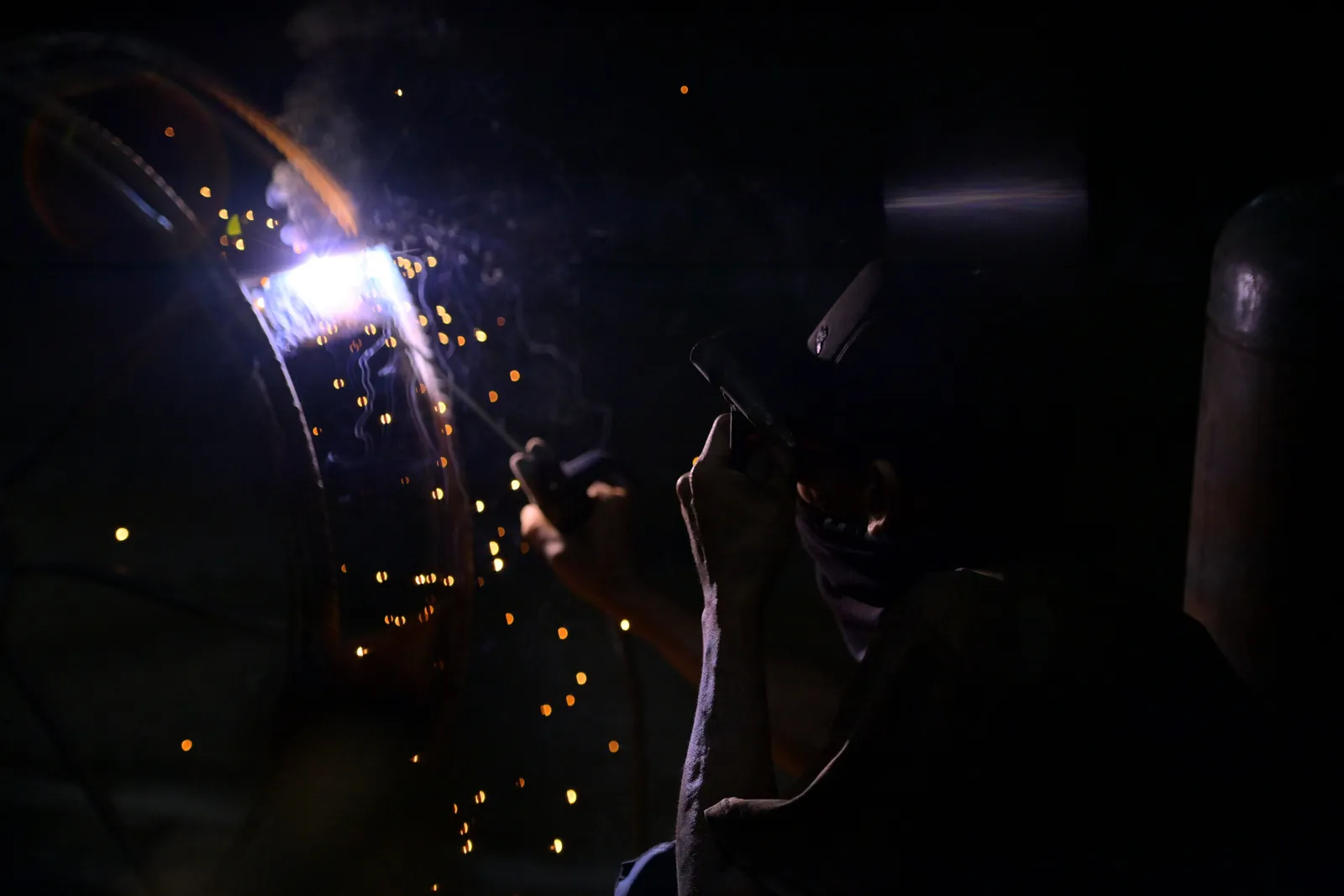
We live in the Instagram era, where we all show ourselves at our best. It is becoming increasingly easy to share not only our private lives, but also what we do and can do professionally. Take a scroll through social media. It will not be long before you come across one example after another of phenomenal weld beads made by highly talented people. And while every welder can be proud of the work they produce, a photo like that never tells the whole story. Followers see the finished weld bead, but not the process. It does not show the hours spent learning the trade and acquiring the skills required. And it certainly says nothing about the quality of the weld, because what looks good in a photo is not necessarily a rock-solid joint. So what does make a good weld?
Welding remains the best way to join two metals permanently and with great strength. It is part of an age-old tradition that remains just as relevant in everyday life today. The steel frames that keep buildings and bridges standing would not be possible without welding. Nor would the cars we drive, the pipelines carrying the milk we drink, or the machines we work with. Every weld we make must therefore be carried out to the highest standards, with pride in the craftsmanship it takes.
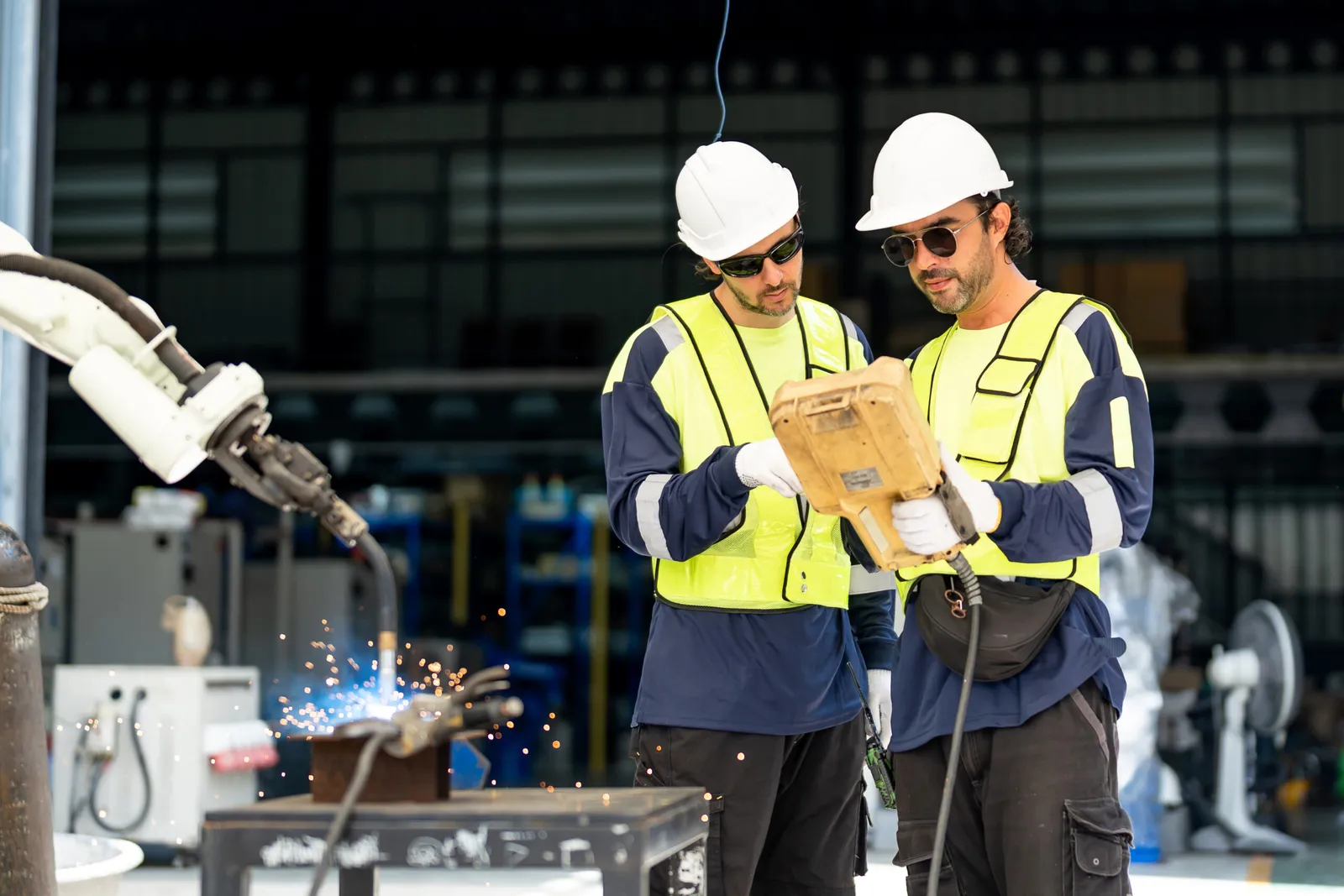
The foundations of a quality weld
However stunning a weld looks, and however impressive the Instagram photo, its quality may still be unacceptable. A lack of fusion is not easy to photograph, after all. That surface layer does not reveal inadequate penetration, incorrect joint preparation or a procedure that has been completely ignored. On the other hand, a weld may be less photogenic: it might make you wince a little, yet still meet all the specified requirements. This is an important consideration in a production environment: what level of welding do we need, and are we communicating the requirements effectively to the shop floor?
Functional versus visually appealing
Ultimately, most welds are not intended to look impressive on social media. They are there to do a job. That could mean adding colour to a work of art, bearing the structural load of a building, or simply holding two components together for the service life of a part. Those requirements are determined by the applicable standards, the customer, the welding procedure and the conditions of use, not by the number of ‘likes’ a weld gets on social media.
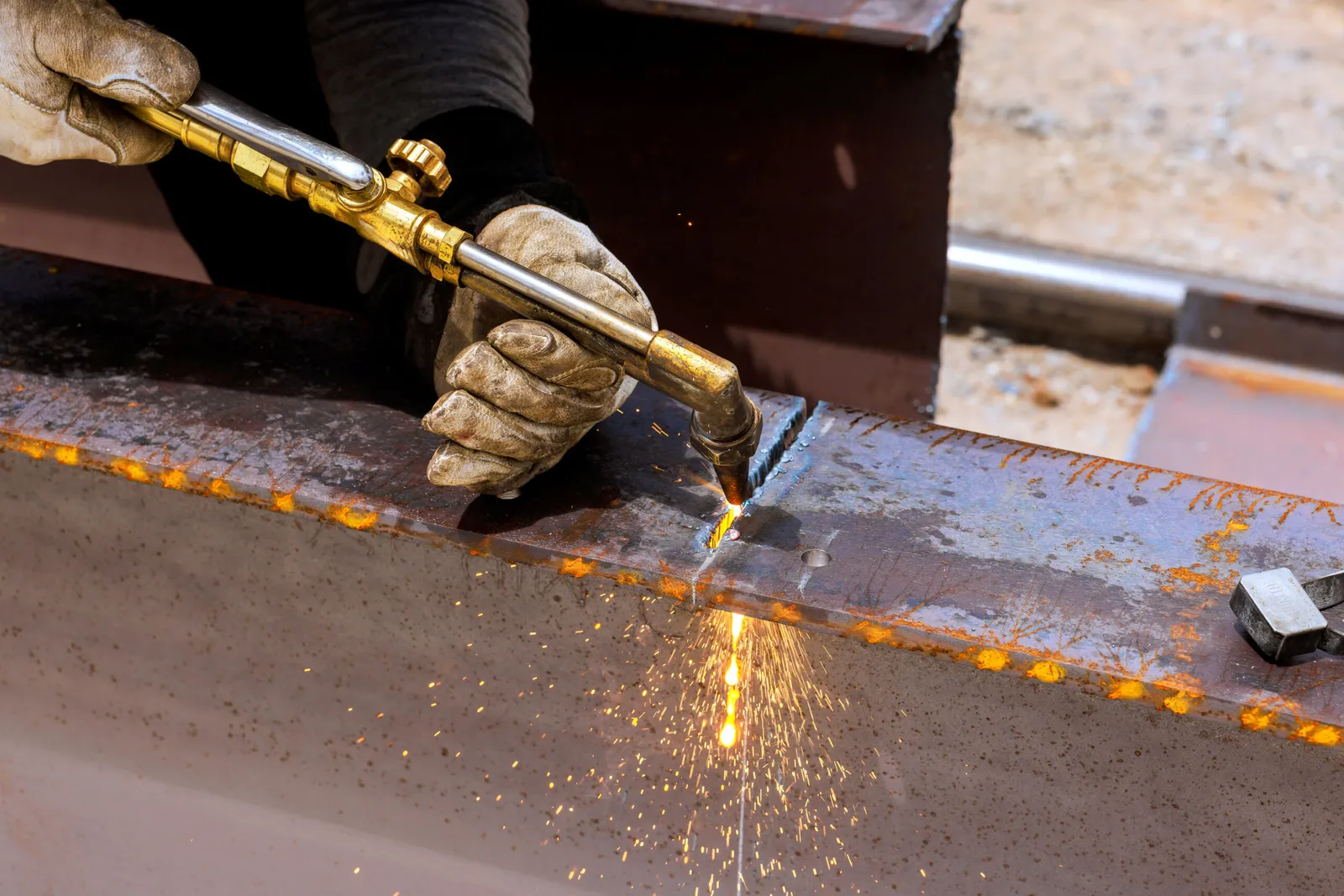
Understanding what is involved
What does this mean for the novice welder, production manager or workshop manager? For the novice welder: do not be too hard on yourself, and remember that your welds will improve with practice and dedication. The real learning process is about understanding everything involved in making a weld, not just those few minutes behind the welding helmet.
Taking the bigger picture into account means understanding the importance of preparing the material, aligning the joints, cleaning where necessary, and knowing how those decisions affect what happens once the arc is struck. It also means understanding how travel speed affects weld penetration and how heat input affects the material. The aim should not simply be to learn a movement or technique that makes a weld look ‘good’, but to learn how and why a weld looks ‘good’.
The importance of process knowledge
For a production or workshop manager, this could mean signing up for a welding course or more advanced training as a welding coordinator or welding inspector to gain a better understanding of the processes being used and draw up the right welding procedures. It could also mean clarifying expectations on the production floor and establishing what is actually needed to meet them. Some knowledge of the process can make a big difference when setting requirements and distinguishing quality and performance requirements from purely cosmetic preferences. This is not a way to excuse poor workmanship or substandard welds. It is about clarifying what is needed and what is expected.
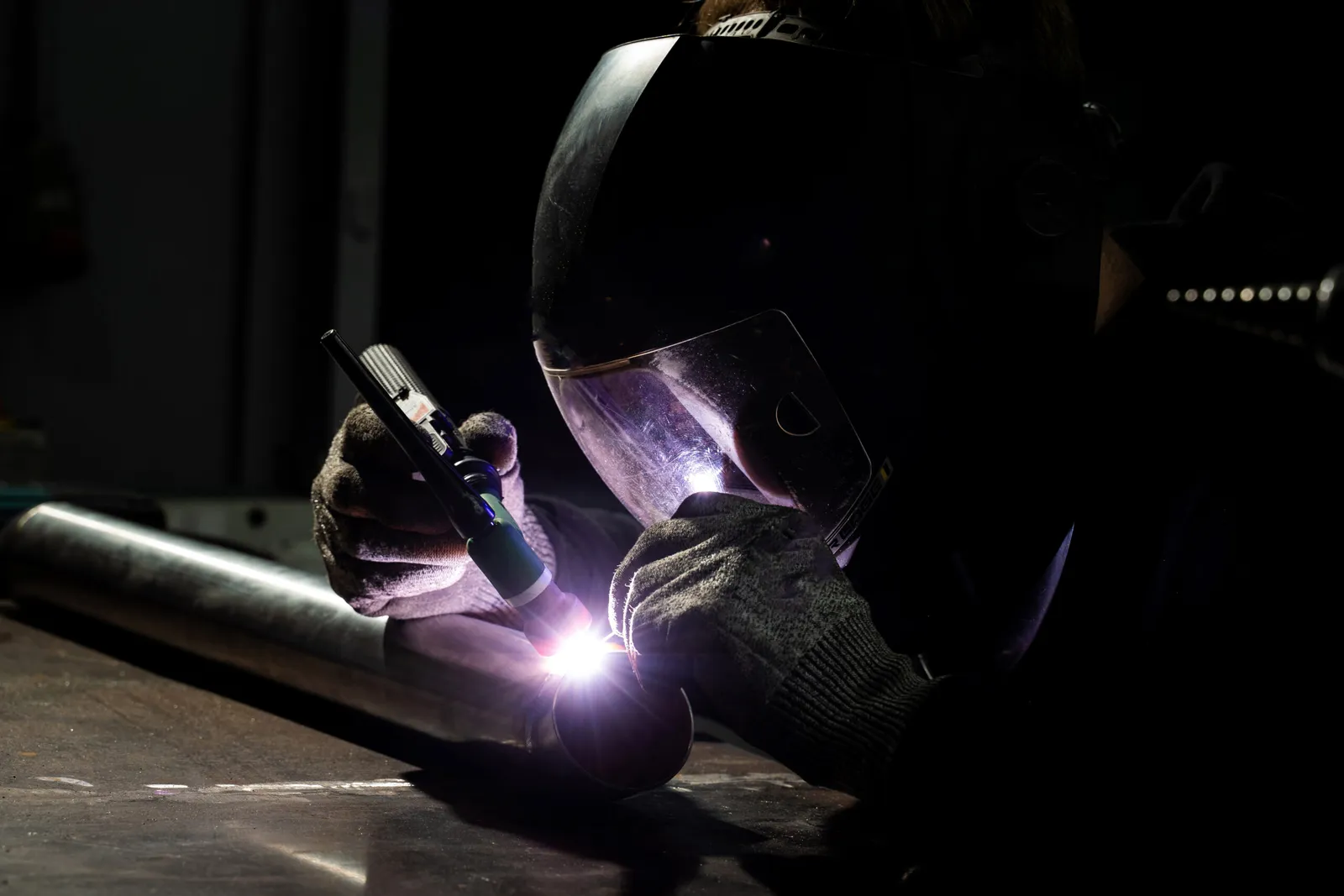
Understanding what makes a good weld
Visual inspection is the first assessment a weld undergoes, whether formal or informal. Every welder should be able to identify common welding defects, including undercut, overlap, excessive reinforcement, incorrect weld dimensions and an inconsistent weld profile. But this is only part of the evidence, and problems may still exist even when none of these are present. So when we ask whether a weld is ‘Instagram-worthy’, we should also ask whether everyone involved understands what makes a good weld.
Question about this story? Ask your question
Keep following this
Get an email when a new story is published. No account needed.
- SubjectWelding