











Cleaning stainless steel surfaces with Pelox pickling products
Text andImage Sir John
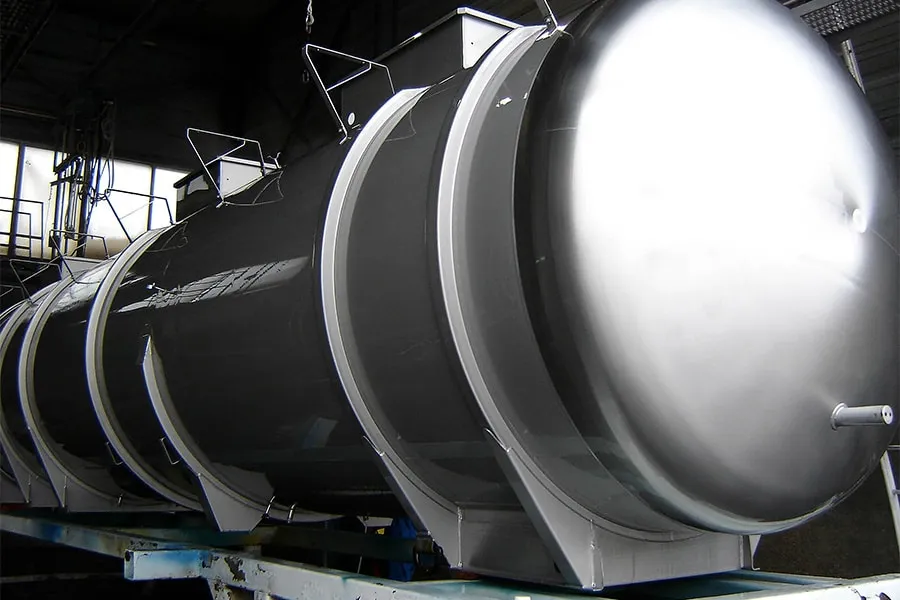
Metals such as stainless steel and aluminium are widely used in machinery for industries including food production. As hygiene plays a key role in this sector, cleaning these metals is an important consideration for machine builders. Sir John supports them with a comprehensive range of Pelox products and also supplies a system for treating the wastewater inevitably produced on site. After all, corporate social responsibility is more than just a term. Pickling products are highly aggressive and can be used to treat metal surfaces, including stainless steel and aluminium. They remove corrosion and rust, as well as discolouration caused by welding, for example. The metal is rinsed after pickling.
Pickling
Sir John has built up an impressive range of pickling products for stainless steel surfaces from the renowned company Pelox. Broadly speaking, the range comprises pickling pastes, spray pickling products and pickling bath products. Pelox is one of Europe’s larger manufacturers and has, among other things, its own pickling hall and laboratory. This makes the company not only a manufacturer and supplier of pickling products, but also a source of in-depth expertise in the pickling process. Pelox is also always willing to provide advice and is directly available to all Sir John customers to develop tailored solutions.
Pickling paste
The Pelox TS range of pickling pastes removes heat tint, rust particles and discolouration around the weld seam and in the so-called HAZ (heat-affected zone). These pastes are intended solely for pickling weld seams and are not suitable for cleaning larger surfaces.
Spray pickling
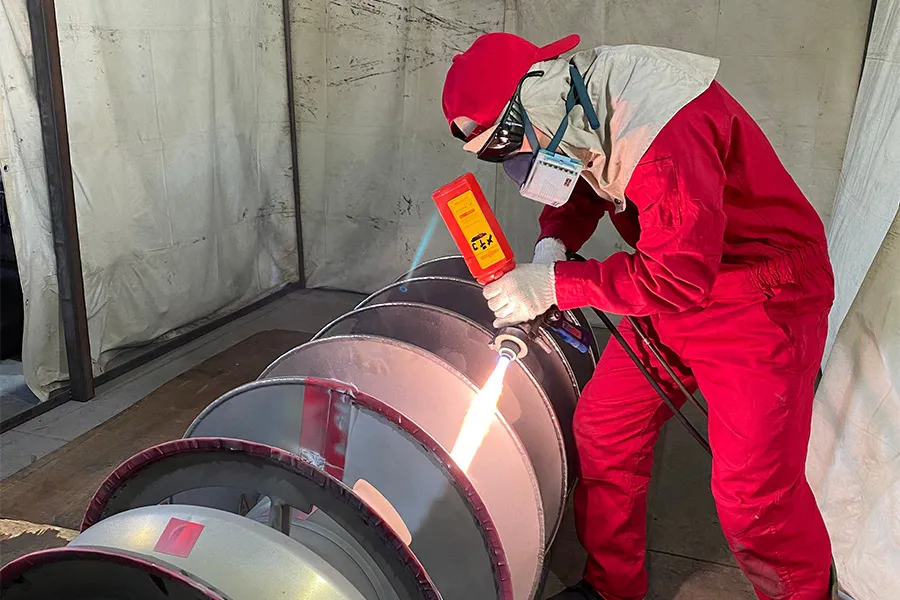
The SP-K spray pickling products in the range are specifically designed for this purpose. They clean surfaces by removing heat tint, rust particles and discolouration around the weld seam and in the HAZ. The addition of a colour indicator makes the spray pickling process easy to monitor, helping to ensure an even coating. Another important function of the indicator is to contain the toxic gases produced during pickling. It also prevents nitrite formation in the wastewater. The most widely used spray pickling product is SP-K 3000. It is suitable for pickling all types of austenitic stainless steel and produces an evenly pickled surface free from clouding and stains, particularly on AISI 1.4301.
Pickling baths
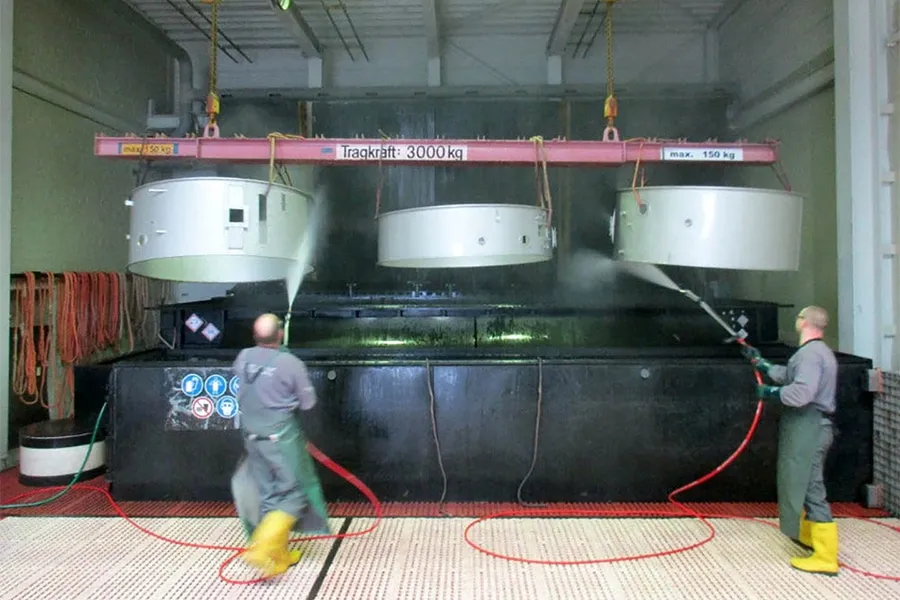
Pelox pickling bath products differ from those mentioned above in that they are used in baths, circulation systems and for atomisation. Contaminants embedded in the surface during transport, storage and processing are removed. Pickling times depend on the material, the temperature of the pickling bath, the workpiece and the condition of the pickling solution. Finally, Sir John offers a Pelox passivating agent that helps form an even, fine oxide layer on the product after pickling. The passivating agents are suitable for circulation and also act as cleaning agents.
Wastewater treatment
Wastewater is inevitably produced during pickling. However, responsible businesses ensure that it is either disposed of properly for treatment, which is costly, or treat it themselves. On-site treatment is possible with one of the semi-automatic water treatment systems in the Ecomatic range. Combined with flocculants, these systems make it possible to discharge or reuse the company’s rinse water. The entire process runs automatically, based on values set in the PLC. The systems are manufactured entirely in-house, enabling Sir John to tailor them fully to the requirements and circumstances of each customer. Capacities range from 200 to 5,000 litres per batch.
Een zakelijke vraag aan Sir John? Get in touch
Companies in this story

Keep following this
Get an email when a new story is published. No account needed.
- SubjectMaintenance
- CompanySir John