











What can AI do for CNC programming?
Text Valérie CouplezImage iStock
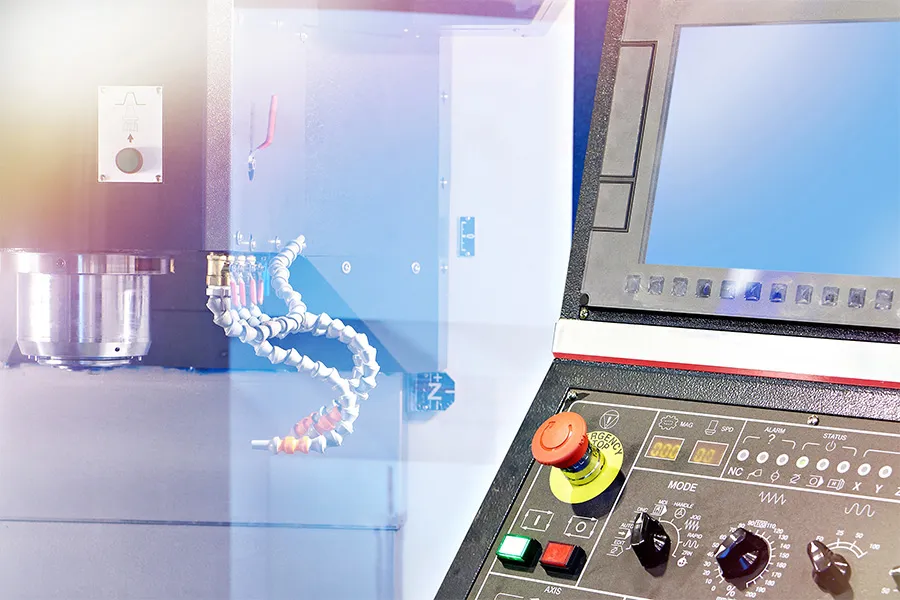
Developments in CNC machining have always been driven by the need for precision, efficiency and speed. As industries demand increasingly complex parts and faster production cycles, traditional CNC programming methods are being pushed to their limits. Enter artificial intelligence. AI is more than just a tool: it is changing the way we approach machining and optimising every stage, from design to production. Let’s take a look at how AI is reshaping CNC programming, streamlining processes, reducing errors and opening up new possibilities in modern manufacturing.
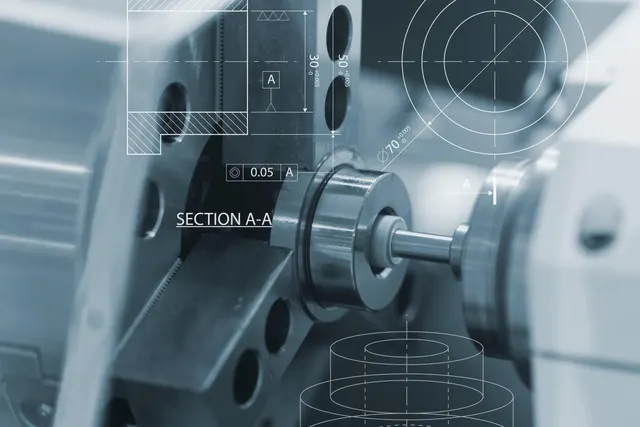
One of the biggest challenges in CNC programming is determining the most efficient toolpath, the route taken by the cutting tool as it machines a part. Traditionally, programmers define toolpaths manually, drawing on their experience and the part specifications. This process can be time-consuming and prone to human error, especially with complex geometries. AI-powered software can now automate toolpath generation by analysing multiple factors, such as material type, machine capabilities, cutting tool geometry and the required surface finish. By processing vast amounts of data and learning from previous machining operations, AI can create highly optimised toolpaths that reduce machining time, minimise tool wear and improve part quality.
Monitoring tool wear
Tool wear is inevitable in CNC machining. Knowing when a tool needs replacing is crucial to maintaining quality and preventing machine downtime. By analysing vibration, temperature, cutting forces and acoustic signals, AI can detect early signs of tool wear, allowing tools to be replaced before they fail. This predictive maintenance approach not only extends tool life but also prevents catastrophic collisions that could damage parts or machines.
AI-assisted G-code generation
G-code is the programming language used to control CNC machines, telling them where to move, how fast to move and which operations to perform. Writing G-code manually requires in-depth knowledge of CNC programming and machine operation, particularly for complex parts. Even with CAD/CAM software, generating efficient G-code can be challenging. With AI, G-code generation is becoming increasingly intuitive and automated. AI-powered systems can analyse a part’s 3D model and generate optimised G-code that reduces unnecessary movements and improves the machining process. Some AI platforms can even adjust the G-code in real time based on live feedback from the machine, immediately improving efficiency.
AI in multi-axis CNC machining
While multi-axis machining offers unparalleled flexibility for producing complex parts, programming toolpaths for four-axis or five-axis operations can be a daunting task. The sheer complexity of managing multiple axes simultaneously leaves plenty of scope for programming inefficiencies or errors. AI algorithms excel at managing complex systems and variables, making them ideal for multi-axis CNC machining. AI can optimise multi-axis toolpaths, ensuring smooth and efficient machine movement across all axes. This reduces the risk of collisions, minimises air-cutting time and improves overall machine utilisation.
AI-powered quality control and inspection
In high-precision industries such as aerospace and medical device manufacturing, maintaining tight tolerances is crucial. AI improves quality control in CNC programming by automating the inspection process. AI systems can analyse real-time data from CNC machines and compare it with the expected dimensions of parts, immediately flagging any deviations or errors. For parts requiring extremely tight tolerances, AI can suggest changes to the machining process, such as adjusting speeds, feeds or toolpaths to correct deviations. AI-driven inspection tools can also analyse finished parts using computer vision systems and identify defects that are invisible to the naked eye.
The future of AI in CNC programming
The integration of AI into CNC programming is still at an early stage, but its impact is already significant. As AI technology advances, we can expect even greater automation, accuracy and efficiency. Here is a preview of what lies ahead:
AI-driven full automation: in the future, AI could automate the entire process from design to production, allowing machines to run unattended for longer while maintaining high precision.
Adaptive machining: AI could enable machines to adjust their operation in response to real-time data from their surroundings, such as changes in temperature, humidity or even material inconsistencies.
Collaborative AI: AI systems could work alongside operators, providing suggestions and real-time feedback while operators retain control over critical decisions.
Question about this story? Ask your question
Keep following this
Get an email when a new story is published. No account needed.
- ThemeFrom design to digital production
- SubjectSoftware