











Automated surface treatment combines capacity with energy efficiency
Text and images Rösler
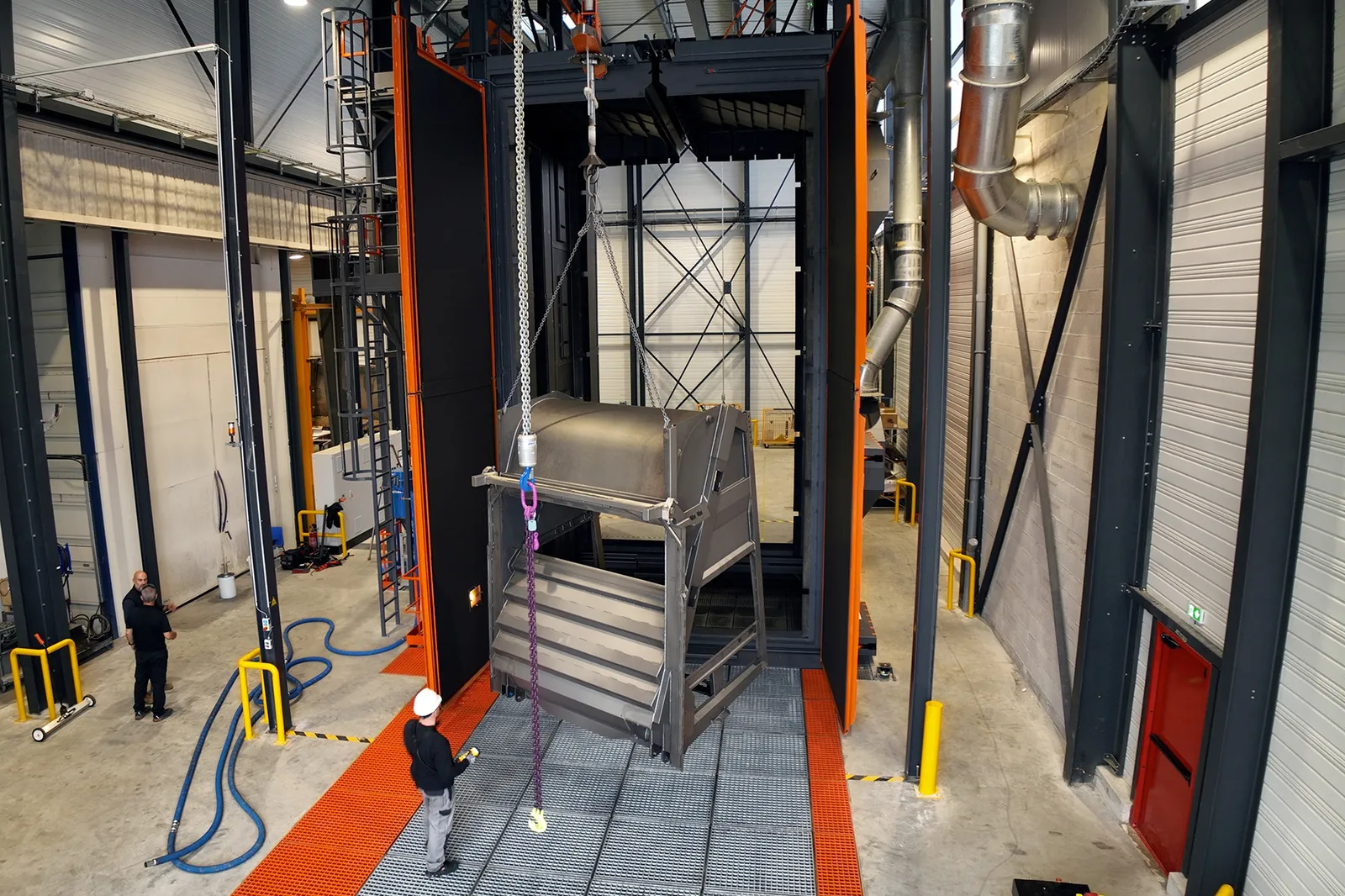
Blasting large components is one thing. Treating them quickly, uniformly and energy-efficiently makes the challenge considerably greater. For its new production hall in La Rochelle, France, refuse collection vehicle manufacturer SEMAT therefore opted for a Rösler RHBD-T continuous shot blasting machine with a rotating overhead conveyor. The installation prepares welded bodies for subsequent coating. SEMAT, part of the German Zoeller Group, manufactures and maintains refuse collection and road-sweeping vehicles. The welded bodies for refuse collection vehicles can be up to 6.5 metres high and 4 metres wide. Rust and mill scale, among other things, must be removed before painting.
Thinking big, blasting vertically
Given the dimensions involved, several solutions were investigated. A continuous shot blasting machine with an overhead conveyor ultimately proved to be the most suitable. The components are brought into the blast chamber upright and rotated during treatment. Vertical processing also reduces the floor space required. “This enables the customer to treat large components efficiently and with short cycle times, while keeping energy consumption relatively low,” says Ronny Paasche, Global Sales Expert at Rösler.
Nine turbines, one result
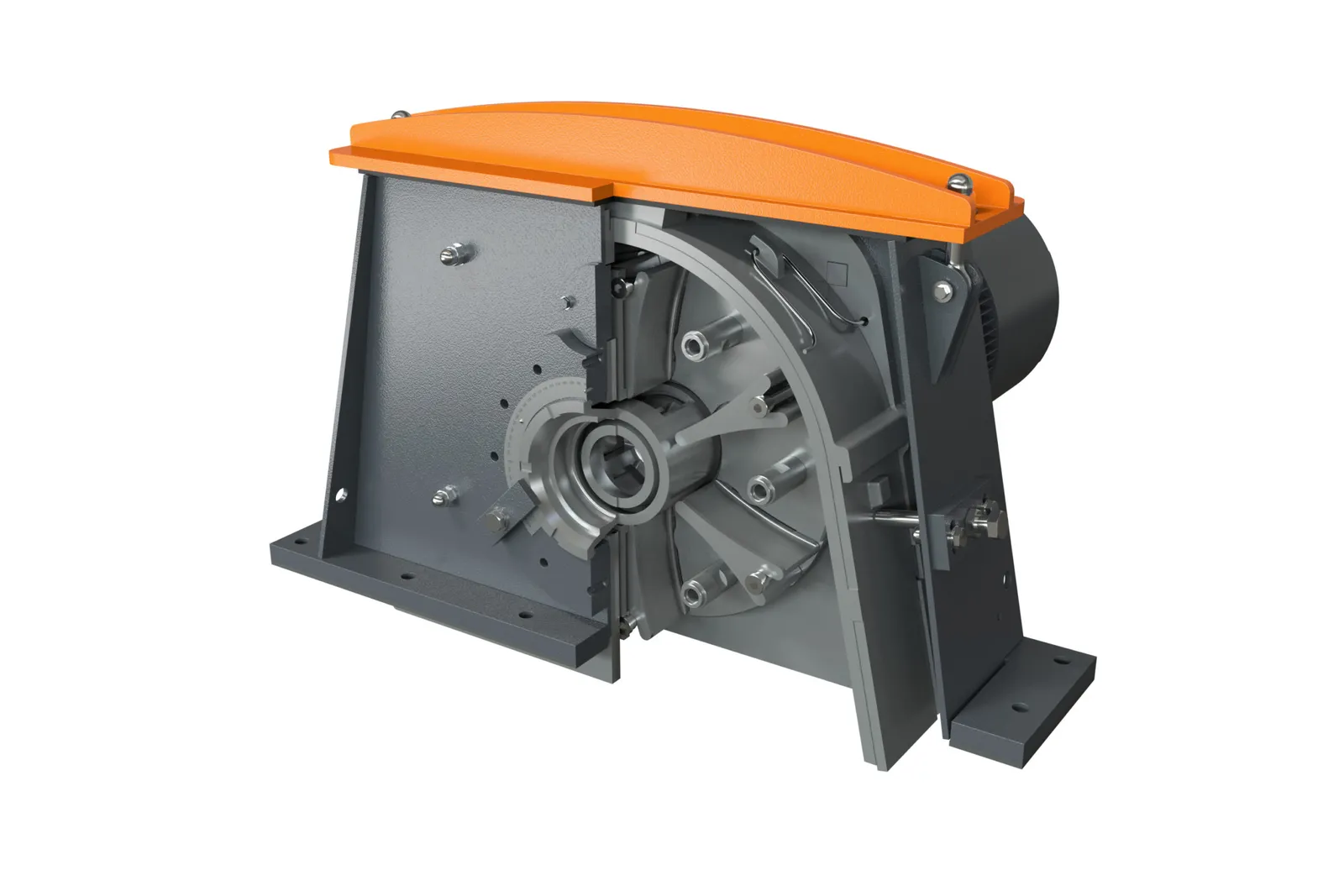
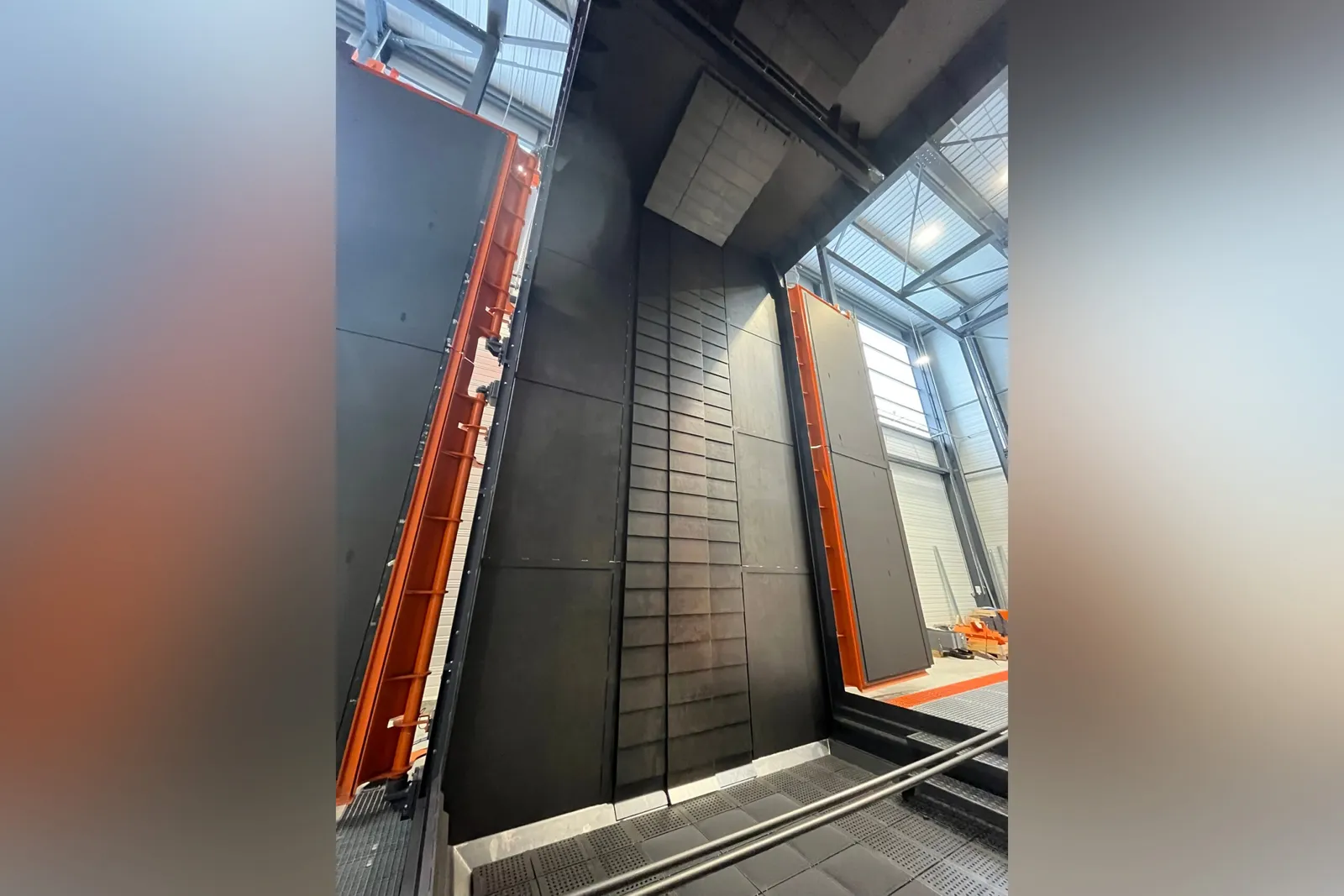
The actual blasting is carried out by nine Gamma 400G turbines mounted on one side of the blast chamber. The workpiece hangs from a special suspension and is continuously rotated and oscillated. This allows the turbines’ blast stream to reach the entire surface. Each turbine has an output of 11 kW. After a cycle of approximately ten to fifteen minutes, the components leave the machine with a cleanliness grade of Sa 2.5 and are ready for transport to the paint line. Operators can choose from around thirty blasting programmes to adjust the time and intensity to suit the workpiece and its original surface condition.
Blasting media gets a second round
Efficient blasting is not just about what is propelled at the workpiece. The recovery and cleaning of the blasting media also play an important role. A wide cascade air-wash separator removes dirt, broken blasting media and other residues.
This limits wear on the turbines and blast chamber and prevents contaminants from damaging the workpieces. Undersized blasting media fractions are also removed, allowing the remaining material to be reused more effectively. An automatic screen removes foreign objects such as screws and metal particles from the material flow. At the machine outlet, a floor-integrated hopper collects any remaining blasting media. A screw conveyor then returns it to the recycling system.
Keeping dust under control
Dust extraction also received special attention. Dust-laden air first passes through an expansion chamber, where the larger particles are separated out. Only the finest dust then reaches the dust collector, extending the service life of the filter system.
The required extraction volume is determined using computer-controlled airflow simulations. This helps ensure that both the cleaned blasting media and the outgoing workpieces remain dust-free, creating suitable conditions for the subsequent coating process.
From manual work to a controlled process
Large welded structures are still often treated manually in blasting booths. An automated overhead conveyor system reduces reliance on strenuous manual work and compressed air, while increasing capacity and repeatability.
For SEMAT, the benefits are not limited to shorter cycle times. By controlling treatment, recovery and dust extraction as one process, the step between welding and the paint line also becomes much more predictable.
Een zakelijke vraag aan Rösler Benelux BV? Get in touch
Companies in this story
Keep following this
Get an email when a new story is published. No account needed.
- ThemeMetal finishing and protection
- SubjectSurface treatment
- CompanyRösler Benelux BV