










Machines, tooling and metrology for gear production
Text and images Valérie Couplez
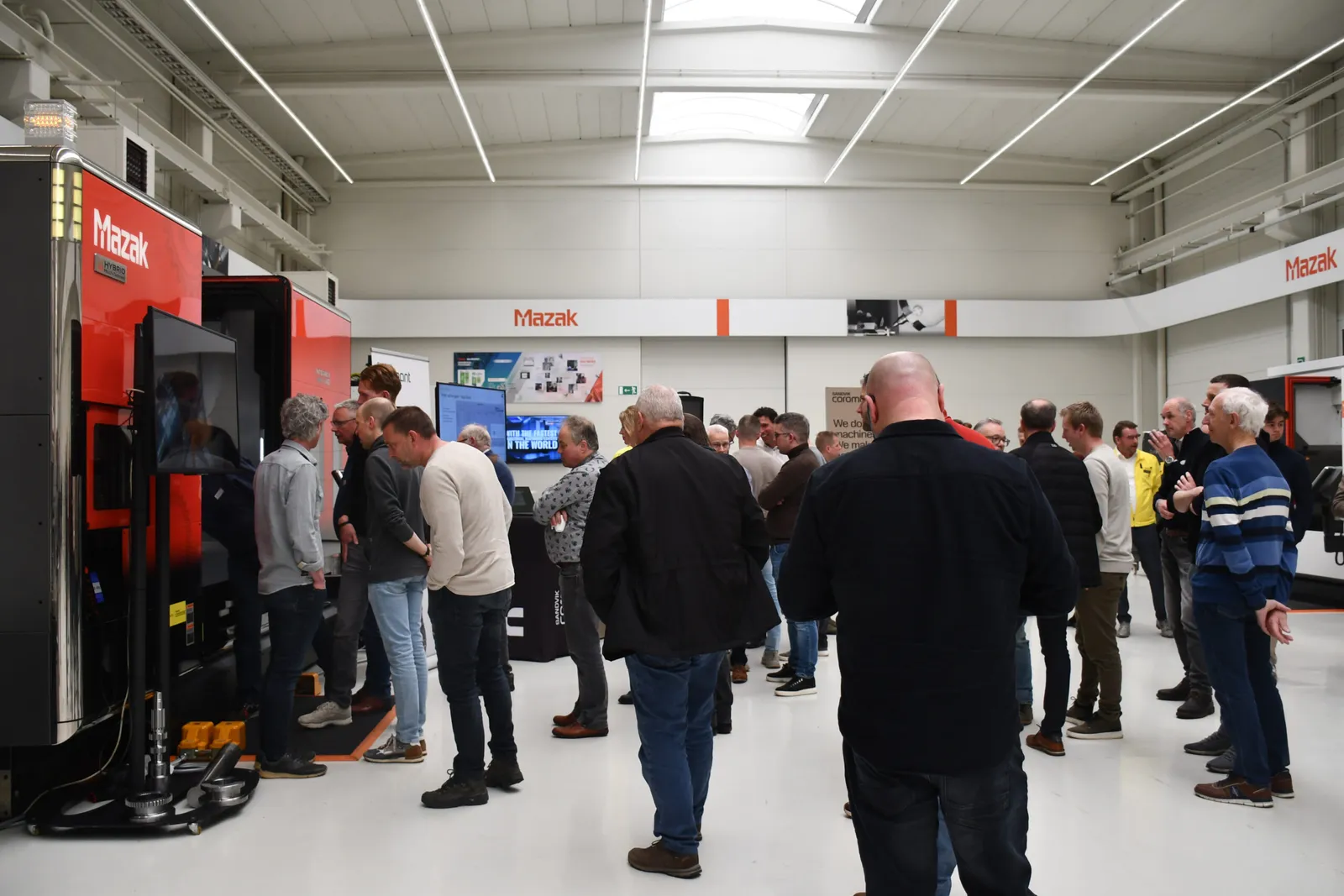
Gears are fairly complex components to manufacture. The process requires specialist knowledge and often involves dedicated machines. But Mazak would not be Mazak if it did not also have an answer with its Integrex all-rounders. The company offers a version specifically designed for gear production. At its Gear Technology Days, Mazak showed how the right combination of machine, tooling and metrology can make gear production more efficient, in collaboration with Sandvik Coromant and Mitutoyo. Metaalvak was there and summarises the main takeaways.
On 1 April (for Flanders and the Netherlands) and 2 April (for Wallonia and Luxembourg), visitors could discover in Leuven how Mazak, Sandvik Coromant and Mitutoyo work together to manage the entire chain, from machine to gear. Mazak provides the machine technology. Sandvik Coromant supplies the tooling. Mitutoyo measures the precision. The Gear Technology Days event attracted 120 registrations, showing that the subject is clearly of interest to the market.
The AutoGear version of the Integrex multitasking machines has been available for almost five years. What sets it apart from other Integrex models? “On the one hand, you need a version that guarantees the highest accuracy. Think glass scales and high-accuracy encoders. On the other, there are features specifically for gears. For example, software for milling straight and helical gears with end mills and ball-nose mills, as well as software cycles for hobbing and skiving,” explains Hugo Verlaak, sales manager Benelux Machine Tools at Mazak.
One machine instead of several
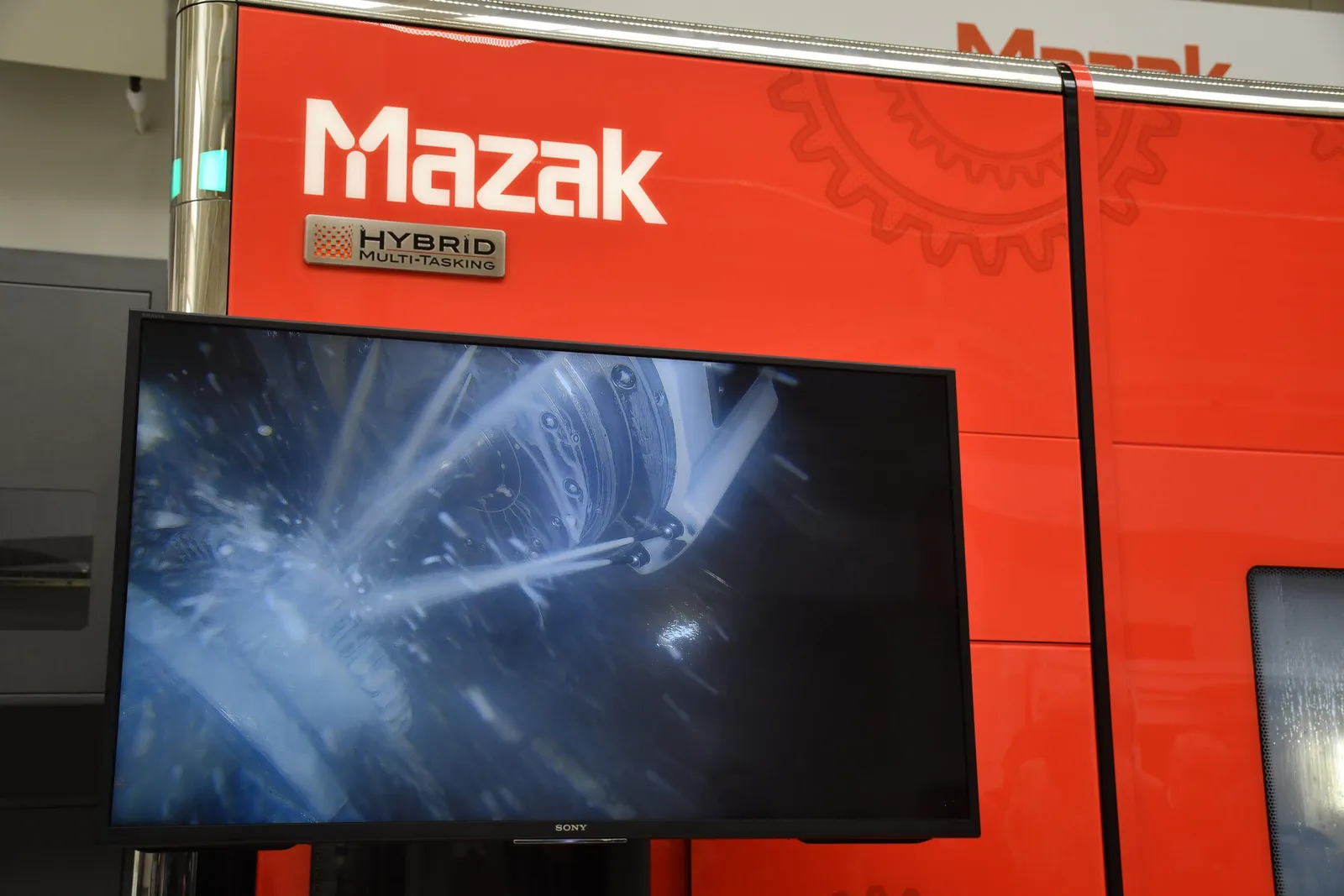
Mazak is now on its second generation of Integrex AG machines. “We have further tailored the machine to gear production. One example is the new adjustable coolant nozzle in the spindle nose, which improves chip evacuation and cooling, an important factor when skiving internal gears.”
Mazak has now installed eight Integrex machines with the AG designation in the Benelux. “In terms of speed alone, the Integrex cannot compete with gear machines. Its greatest strength is its flexibility. You can make more than just gears on it. The main benefit is the shorter lead time. The part is produced on one machine, whereas the conventional approach involves several machines. This is ideal for manufacturers producing only small batches of gears, or those looking to run unmanned”, Verlaak continues.
Power skiving
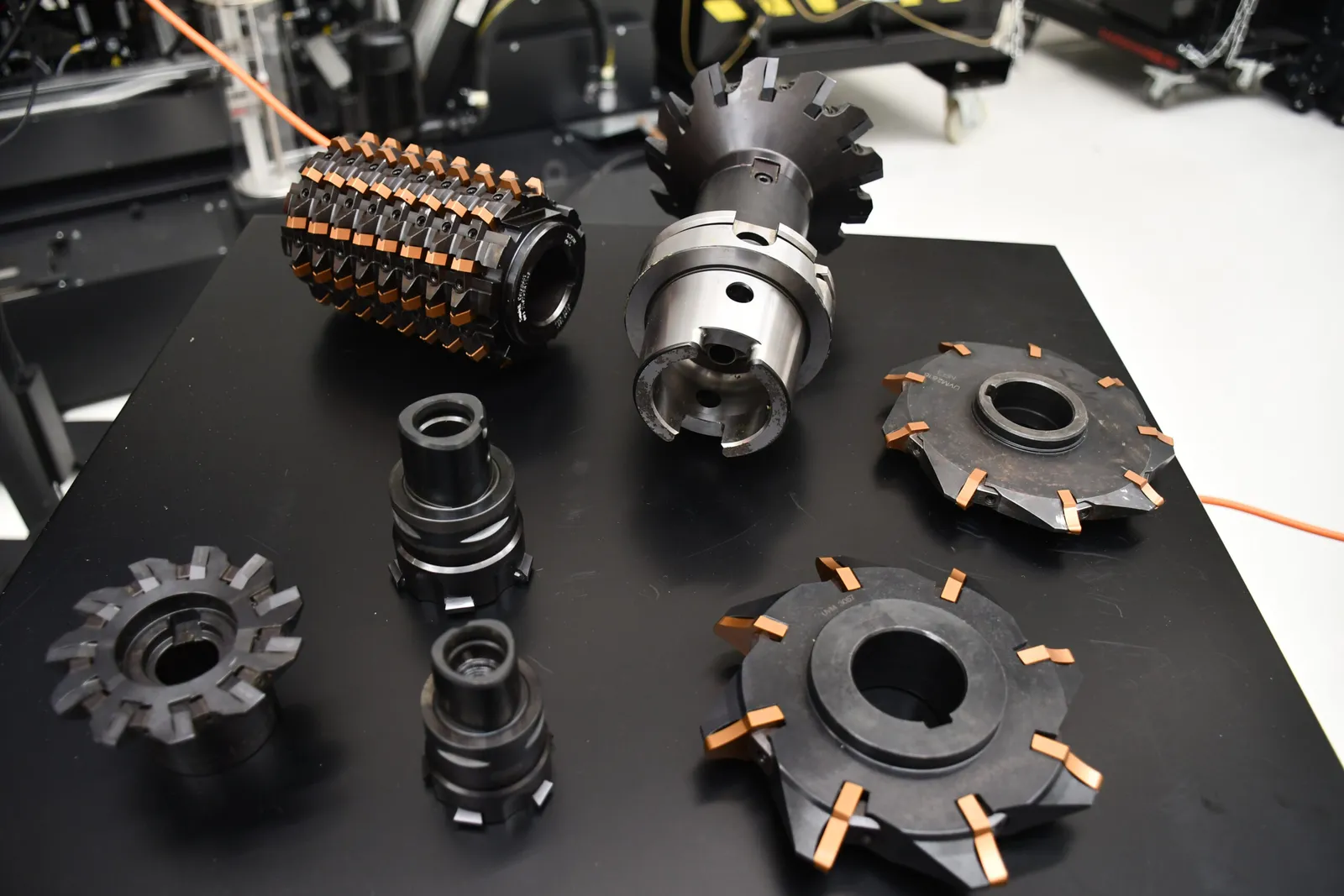
But that calls for the right tooling. Sandvik Coromant was on hand to explain what is possible. “There are several conventional production methods for making gears and splines, including disc milling, hobbing, shaping, broaching and grinding,” began Bart Smets, application specialist at Sandvik Coromant. The new kids on the block are invoMilling and power-skiving tools. In his presentation, Smets took a closer look at power skiving. “Short cycle times make power skiving a highly productive machining technique. Advanced, precision cutting tools deliver at least comparable quality to that achievable with similar gear-milling solutions.”
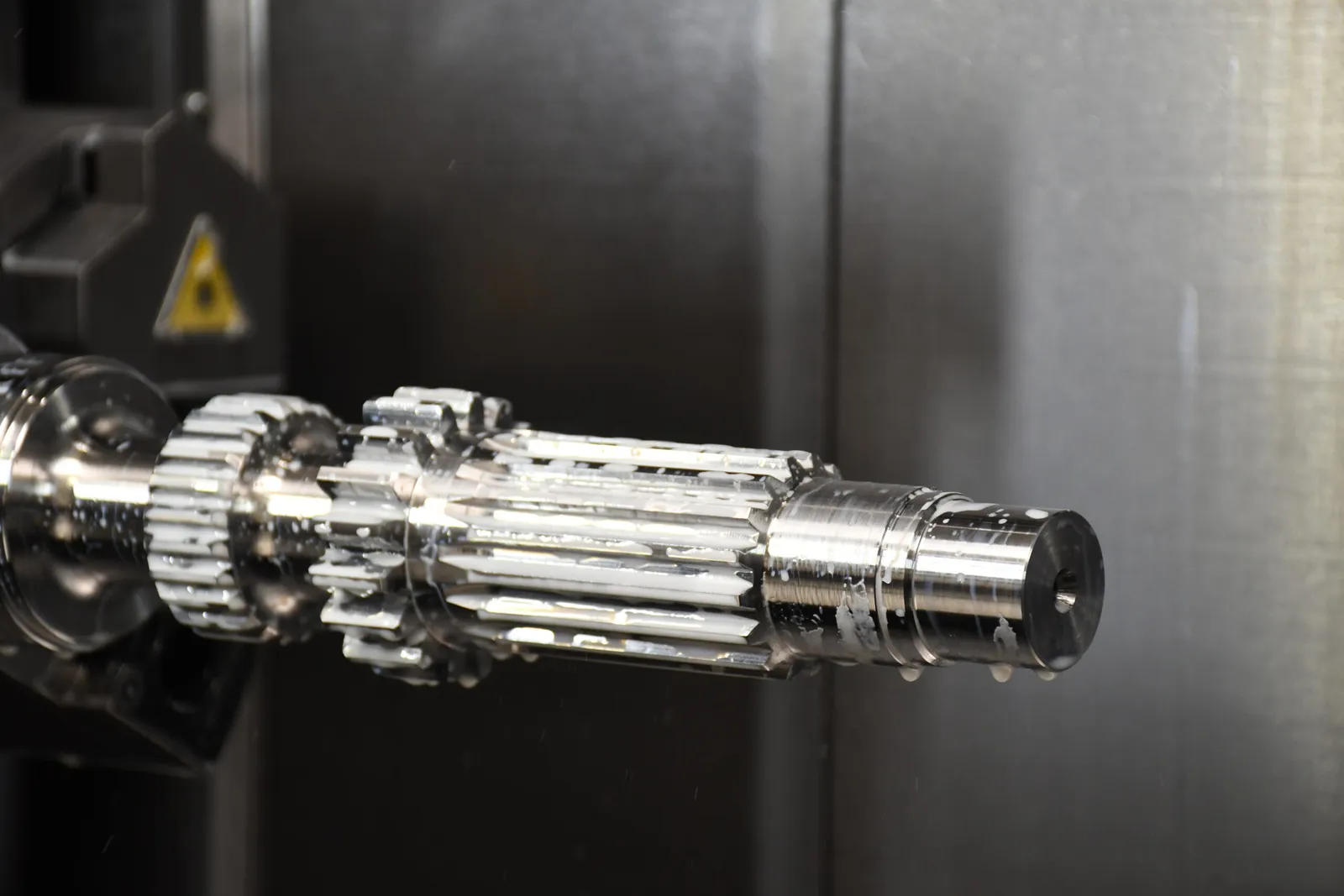
The right tools for efficient production
Smets also covered the basics: “A cross-axis angle is essential. In other words, you have to skive at an angle. The size of the angle determines how productive you are. The larger, the better. The spindles must also be perfectly synchronised. Skiving is not completed in a single pass either. The depth of cut per pass determines the speed. “Drawing on our extensive machining expertise and advanced software tools, we help gear manufacturers determine optimum cutting parameters, tool selection and process sequences. This supports efficient, accurate gear production while maximising tool life and minimising scrap.”
Sandvik Coromant also uses simulation software to model power-skiving processes and virtually evaluate the performance of its cutting tools. “This allows manufacturers to visualise the machining process, identify potential problems and optimise cutting strategies before production begins. By minimising trial and error on the shop floor, companies can reduce costs and improve overall productivity,” Smets concluded.
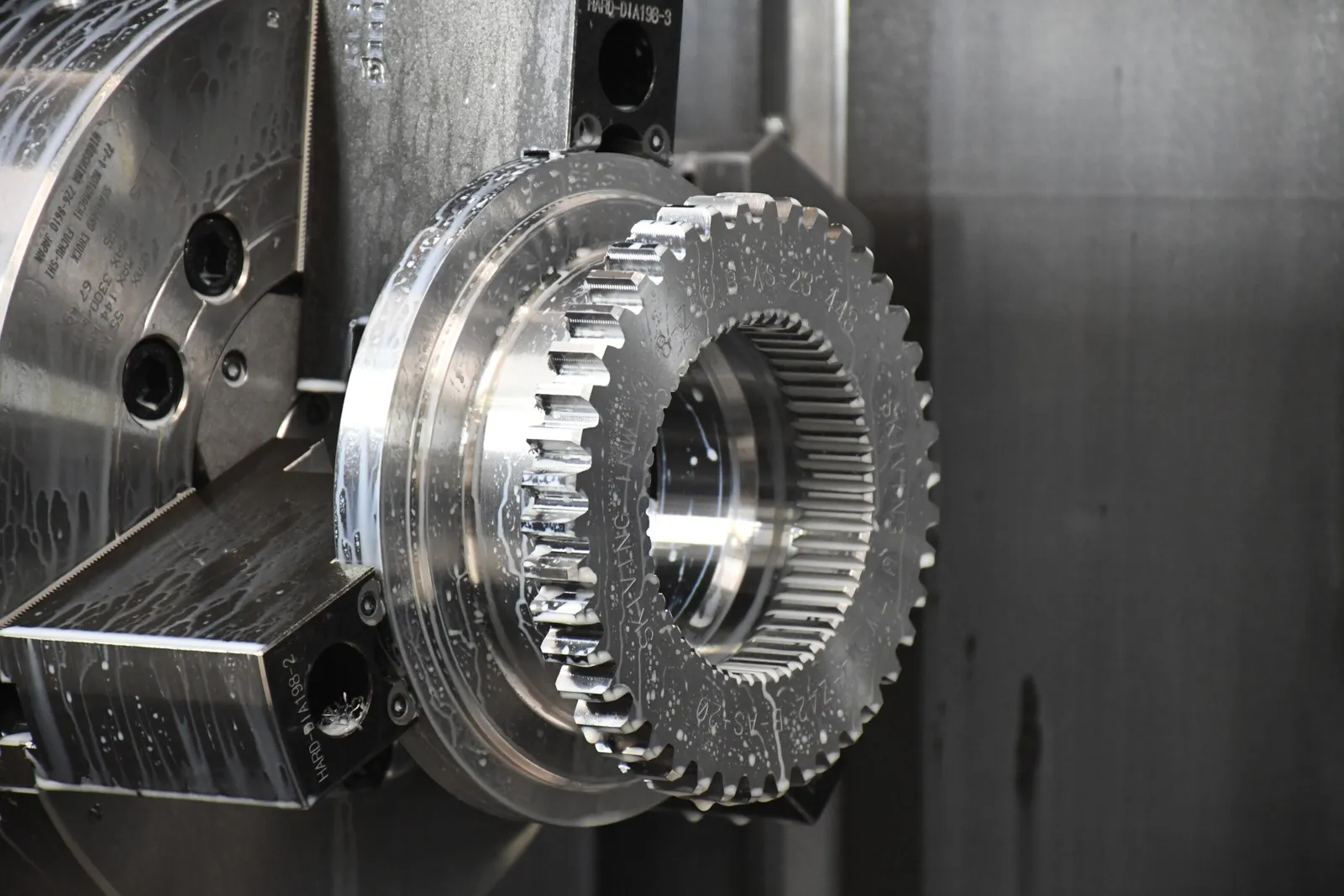
Automatically generating the inspection programme
The event went beyond explanations. In two demonstrations, Steven Vander Elst, senior application engineer at Mazak, showed how it all came together on an Integrex i-350 AG in Mazak’s showroom. The demonstrations covered four types of gear machining, skiving, hobbing, end milling and deburring, for both high-mix, low-volume production and high-volume production. The control system works parametrically: the programme was generated based on the gear type, modules, required quality and milling strategy. The results spoke for themselves.
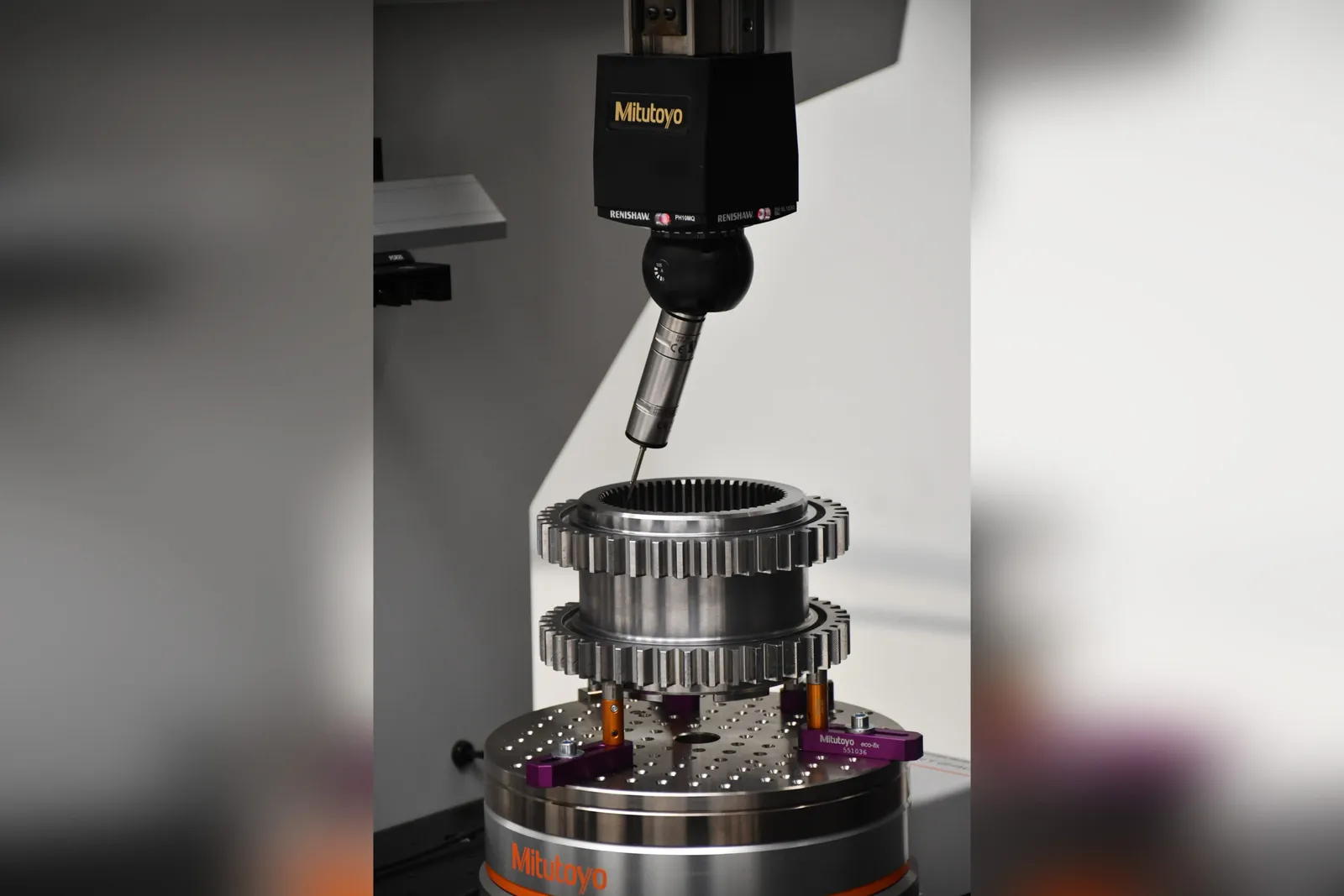
Mitutoyo’s measuring equipment then checked whether the gears produced met the accuracy requirements. In machining companies, the inspection room is often the bottleneck. That is why Mitutoyo is focusing strongly on automation. “We have a software package specifically for gears. Here too, users only need to enter the parameters, after which the coordinate measuring machine runs through the programme sequentially.” In this case, the entire contour is measured and compiled into a report. “This information can also be used to improve the production process.”
Een zakelijke vraag aan Yamazaki Mazak Europe N.V.? Get in touch
Companies in this story
Keep following this
Get an email when a new story is published. No account needed.
- SubjectMachining
- CompanyYamazaki Mazak Europe N.V.