











Three hybrid milling and drilling machines give students hands-on experience
Text Valérie CouplezImage Hogeschool VIVES en Valérie Couplez
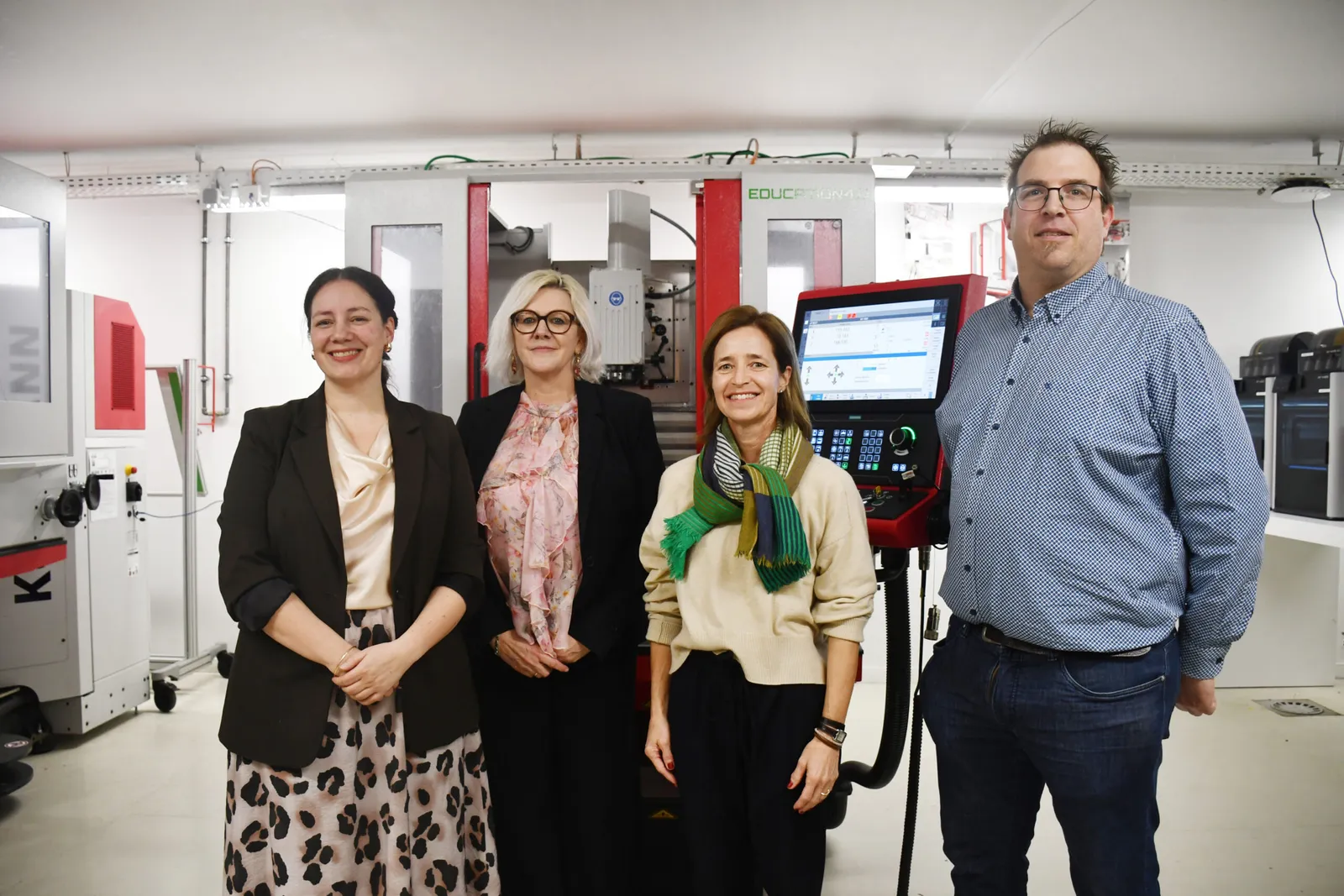
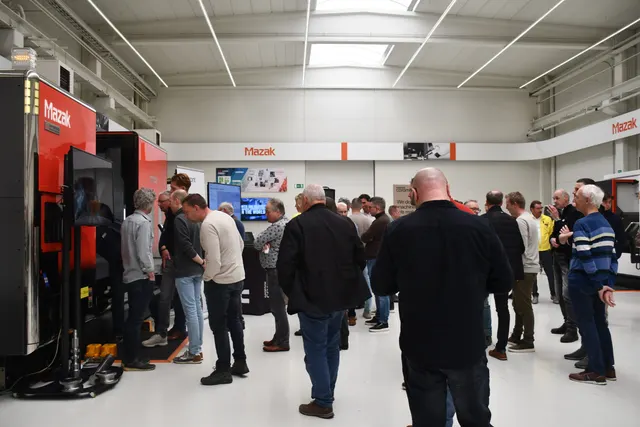
Hogeschool VIVES has added three new workhorses at the start of this academic year. With the arrival of three hybrid milling and drilling machines, it is going back to basics to teach students the ins and outs of machining. Metaalvak attended the official presentation in March and saw that industry is also pleased with the investment. “We need people with skilled hands who understand what happens when they press that start button. And the only way to learn that is to put in the hours at a machine,” said Ann-Sofie Denoo, managing director of Denoo Matrijzen in Zedelgem.
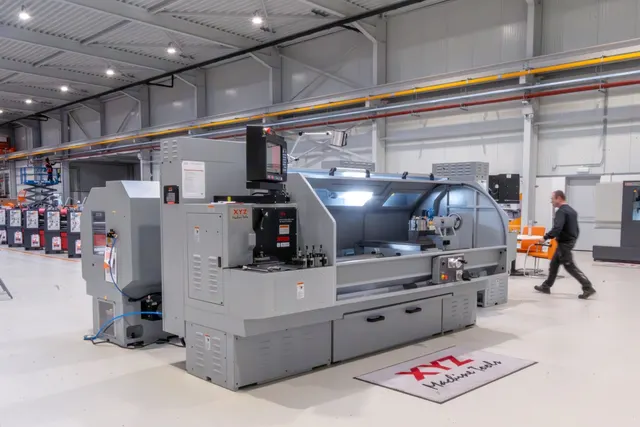
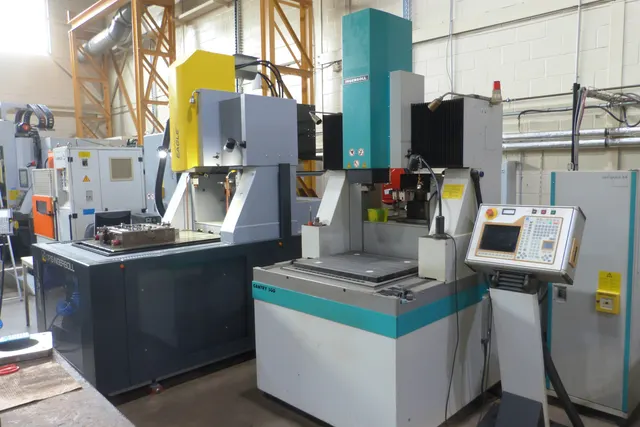
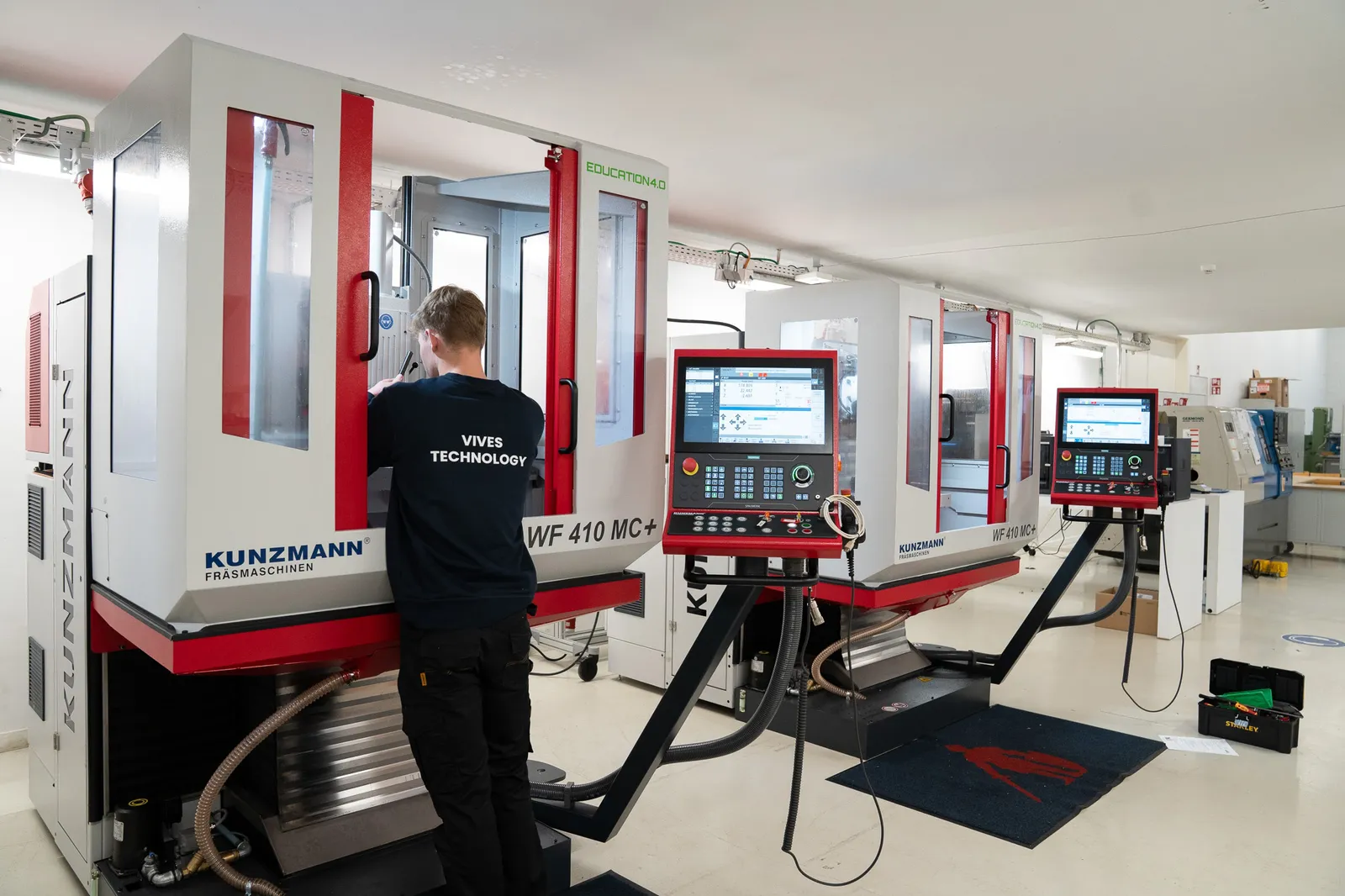
The three Kunzmann hybrid milling and drilling machines have been proudly turning out chips in the Maaklab at Hogeschool VIVES since the start of the academic year. What makes these machine tools, supplied and installed by De Ridder Precisiemachines, hybrid? They combine several machining methods in a single machine, from conventional milling and drilling to on-machine programming and CAD/CAM control.
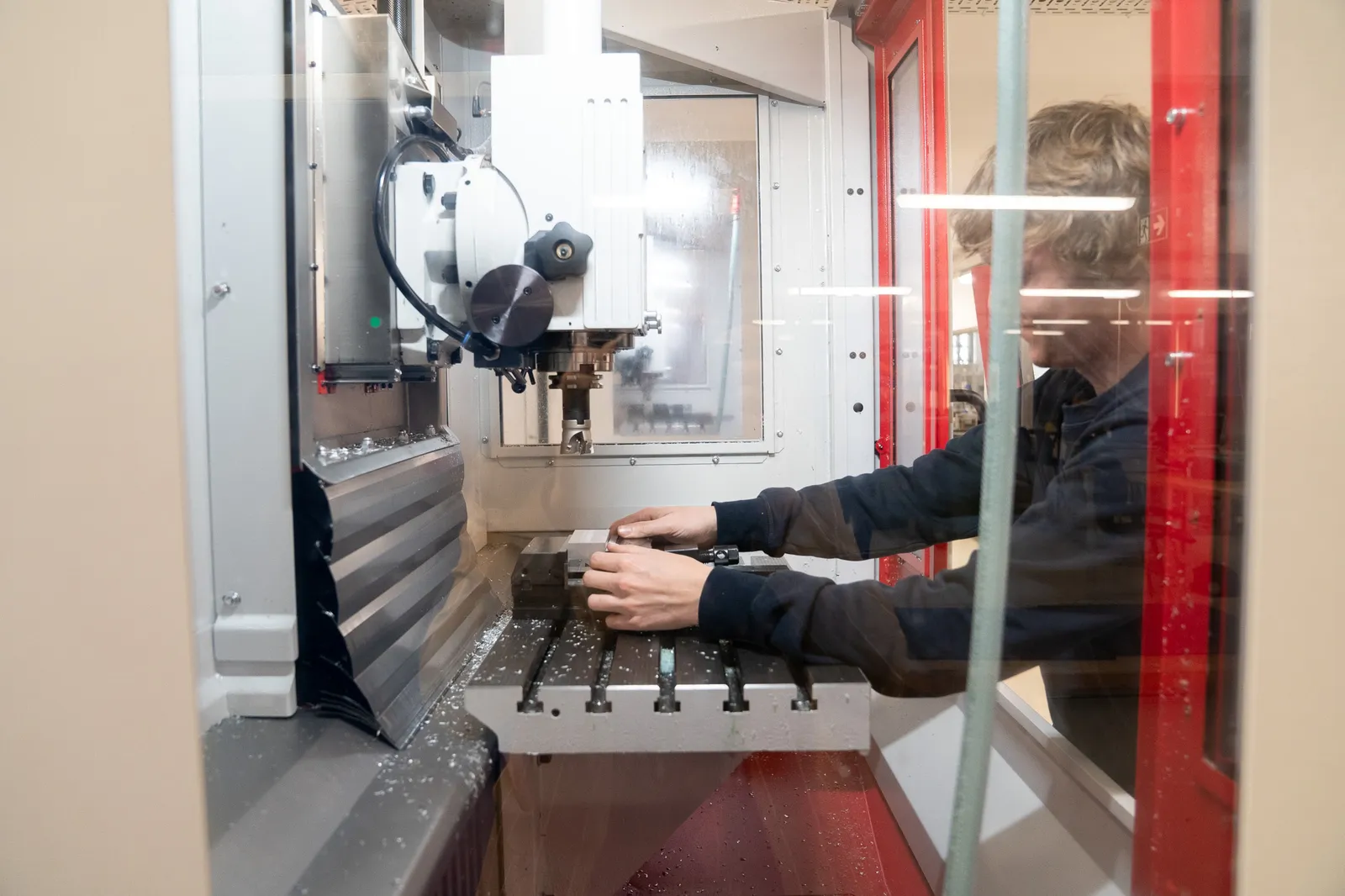
“We already had CNC machines, but wanted more capacity so that first-year students could also get plenty of hands-on experience at the machines,” explains Wim Descamps, head of the Bachelor’s programme in Design and Production Technology. He highlights accessibility as one of the key advantages. “Even students with little experience can get to grips with the machines fairly quickly. They make the transition to full CNC machining in later years easier.”
“Expertise that companies expect”
The machines are also a hit with industry. By carrying out basic machining operations themselves, students develop not only technical skills but also gain insight into theoretical subjects such as mathematics, statics, engineering drawing and metrology. The regional context also matters: the south of West Flanders is the heartland of manufacturing and machine building. Close consultation between the university of applied sciences and companies and industry organisations in the region showed that practical machining knowledge remains essential. These three milling and drilling machines will help provide that knowledge to students on the Design and Production Technology, Electromechanics and Electromechanical Systems programmes.
“We know that technology changes and becomes obsolete quickly, which makes this challenging. That is why we teach our technologists the right basic skills. A strong foundation makes it easier to build new knowledge in a constantly changing environment and with evolving technology. From now on, our students can practise even more intensively in precision, on-machine programming and CAD/CAM control. They learn not only how to machine, but also how to think in terms of processes, efficiency and quality. That is the expertise companies expect from them,” says Veerle De Mey, Director of Biotechnology and Technology at Hogeschool VIVES.
“Tomorrow’s production specialists”
As a member of the advisory group, Denoo said at the official presentation that she was pleased Hogeschool VIVES had responded to feedback from industry with this investment. “Students will graduate with knowledge, but also with experience and a feel for the realities of working at a machine. Our industry is evolving rapidly. Machines are getting smarter, software more powerful and production more complex. But one thing remains unchanged: we need people who understand what is happening at the machine. Ultimately, it is people who make machines perform.
Investing in practical technology is therefore not only worthwhile today; it is an investment in the future of manufacturing in Flanders. Today’s students are tomorrow’s production specialists: the people who will set up machines, improve processes and solve problems. The skilled workers who keep our industry running. The better prepared they are today, the stronger our industry will be tomorrow.”
Question about this story? Ask your question
Keep following this
Get an email when a new story is published. No account needed.
- ThemeSkilled professionals for a changing sector
- SubjectMachining