











“People have more or less forgotten what plasma can do”
Text Bavo BoutsenImage Leonie Snauwaert
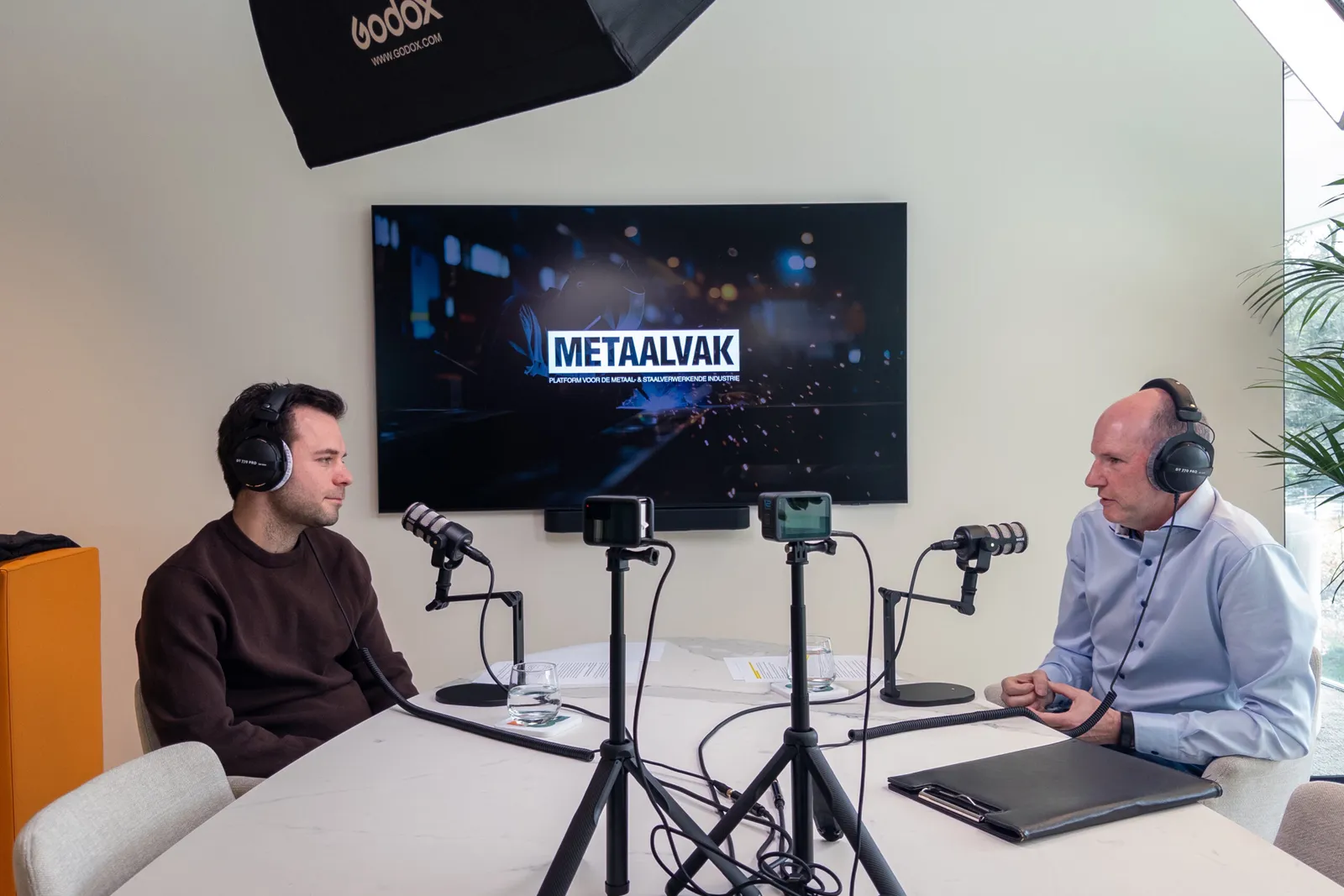
The challenging economic climate and fierce competition from fibre lasers are forcing the plasma cutting technology sector to take a hard look at itself. Plasma Solutions is doing just that, with conviction. The process has given the company strong faith in the future, says Jan Van Overbeeke, managing director of Plasma Solutions and guest on a new episode of the Metaalvak podcast.
“We sell the equipment for plasma cutting, specifically the plasma sources themselves and all the accessories. We were founded around 25 years ago to provide Kjellberg Finsterwalde, a global leader in our sector based in Germany, with a commercial and technical support centre in the Benelux and France. It is important to stress that we are an independent company,” says Van Overbeeke. “We do not target end users, but machine builders and robot integrators. Our aim is to have our solutions integrated into their machines and cutting tables. Given the way we work, I would say that everyone active in this field is connected to us in some way.”
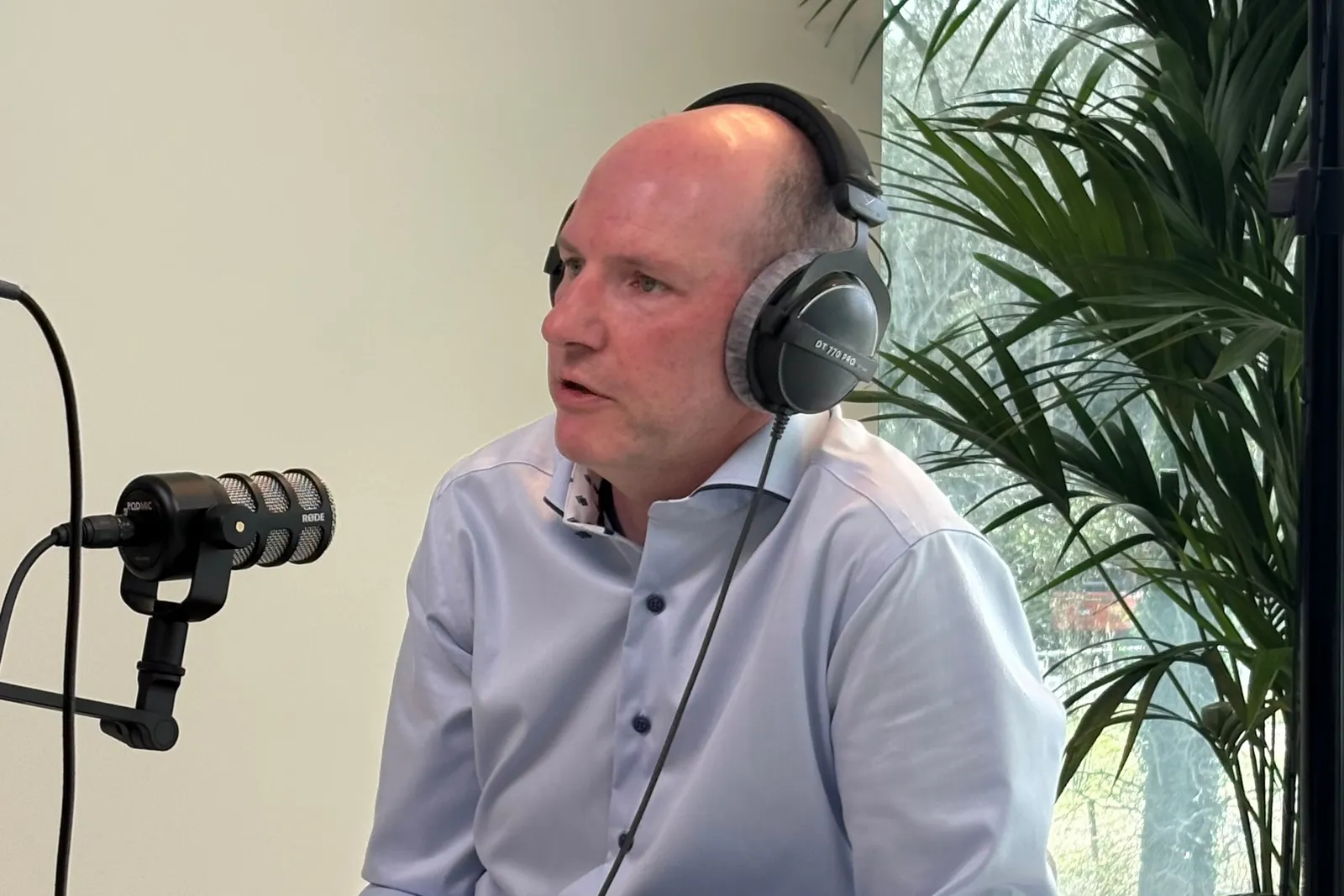
Fierce competition
Plasma cutting has proved highly successful as an industrial cutting process over the past few decades. “The key to its success was that, compared with other technologies, it offered higher cutting speeds and lower gas consumption. This translated into a more competitive cost per metre cut,” explains Van Overbeeke. “The technology has, of course, continued to develop and improve. Essentially, the plasma arc has become more concentrated, further improving accuracy. In the past, plasma cutting was synonymous with bevelled cut edges. Now they are perpendicular.”
Today, however, plasma cutting is under considerable pressure from fibre lasers as an alternative cutting technology. “Laser is a very strong competitor, because you have to admit that it is highly effective. Plasma has its strengths too, though. It is very flexible and forgiving. Material quality has less of an impact, so, for example, a rusty plate is less of an issue. And you can achieve excellent results with relatively low power,” says Van Overbeeke.
Changing perceptions
According to Plasma Solutions, the current dominance of laser technology is therefore largely a matter of perception. “People have more or less forgotten what plasma can do,” the company says. “In practice, we also find that knowledge of plasma cutting is extremely poor. As a result, people are not getting the most out of it. In our contact with customers, we do all we can to build up their knowledge. That is part of our company DNA, which has always focused on service and repairs, as well as training.”
The company is also actively looking for new opportunities. “We can see that investment is difficult in the current economic climate, and we do not expect that to change over the coming year. Even so, our overall figures remain fairly stable,” says Van Overbeeke. “That is because we are focusing more on niche markets and building special-purpose machines to order. We currently have three projects under way to decommission nuclear power plants in France, for example. One of these projects involved making a special torch to cut pipes from the inside. The torch components are being produced using 3D additive manufacturing, with stainless steel Selective Laser Melting and 3D PEEK printing. This approach is unique in the world. As an entrepreneur, I am certainly not pessimistic about the future.”
Question about this story? Ask your question
Companies in this story
Keep following this
Get an email when a new story is published. No account needed.
- ThemeFaster, more accurate sheet metal processing
- SubjectWelding
- CompanyPlasma Solutions