











“The difference lies not in the product, but in how it is used”
Text Kris VandekerckhoveImage Louwers Mediagroep
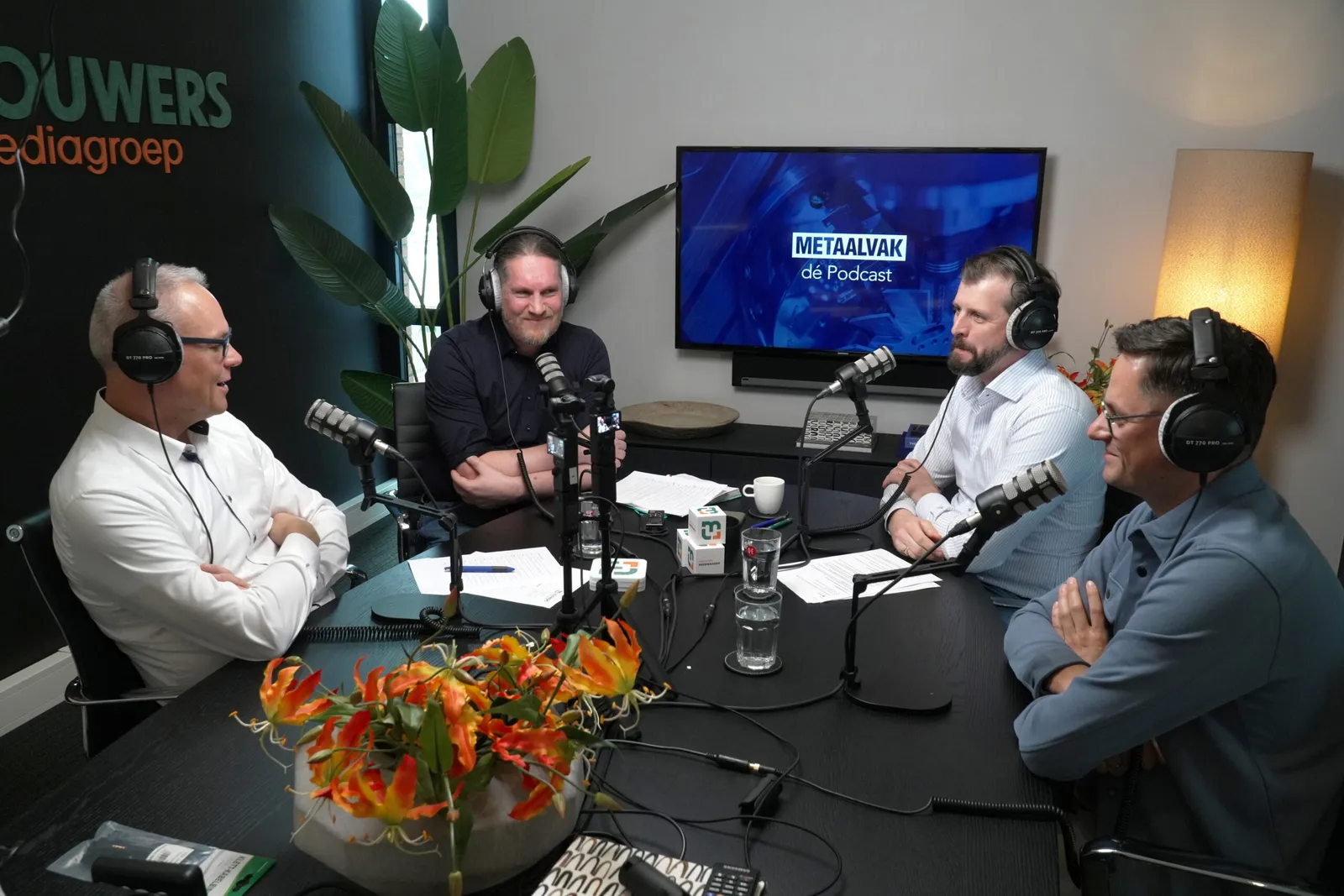
In the metal industry, surface treatment is still too often seen as a final step. In practice, however, it proves to be a decisive factor in product quality, lead time and cost price. According to Metaaltechniek Handelsonderneming, this is also where the real competitive edge lies.
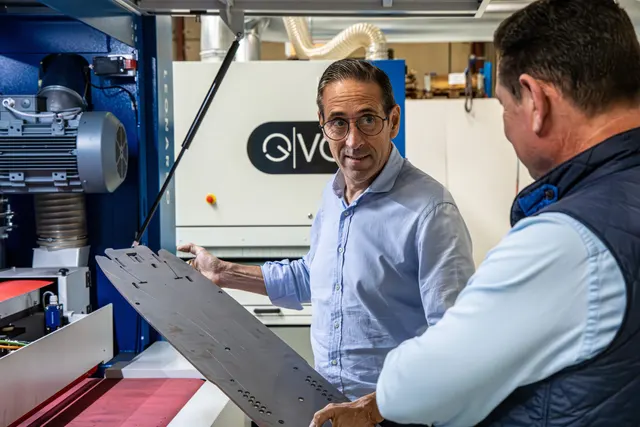
“You can buy the product itself from several suppliers,” says Bernd Jansen, managing director & sales. “The difference lies in how you use it and what you organise around it.” The company, which has around 35 employees active in the Dutch metal industry, focuses exclusively on sanding, grinding and polishing metals. This focus is a deliberate choice. “We steer clear of wood and, for the most part, plastics. Our customers are in the metal industry, from small to large,” says Fokke Bronsema, technical director.
From product to process
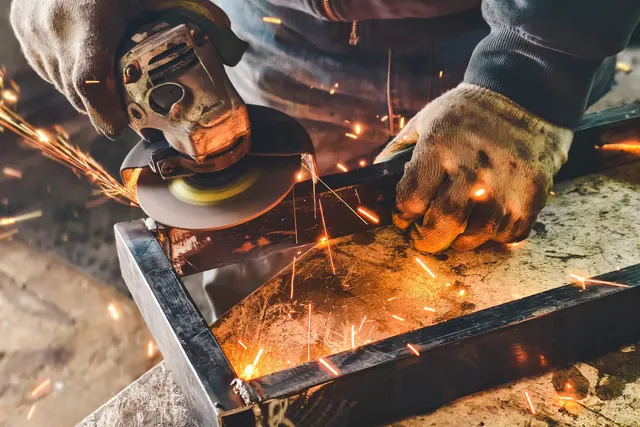
The role of the technical wholesaler is visibly changing. Whereas price and availability used to be decisive, the focus is shifting towards process optimisation. Jansen: “Price, ease of ordering and delivery time have become hygiene factors. It’s about working with customers to improve their processes.” This is no abstract proposition. In practice, it comes down to specific parameters such as the service life of abrasives, material removal rate and surface quality. Small improvements can have a major impact. “Ultimately, you make a difference to the total cost of the production process, not to the price of an abrasive,” says Jansen.
Automation supports, but does not replace
The company is investing heavily in digitalisation. Following the implementation of an ERP system, a Warehouse Management System is now also in use. Data is playing an increasingly important role. “If your data is in order, you can give customers better information and offer alternatives too,” says Lars van Munster, operations director and co-owner. “But the aim is not to replace people. It is to free them up so they can add more value.” In his view, maintaining the balance between technology and people remains crucial. “We’re not going to set up a fully automated customer service operation here. Human contact remains our priority.”
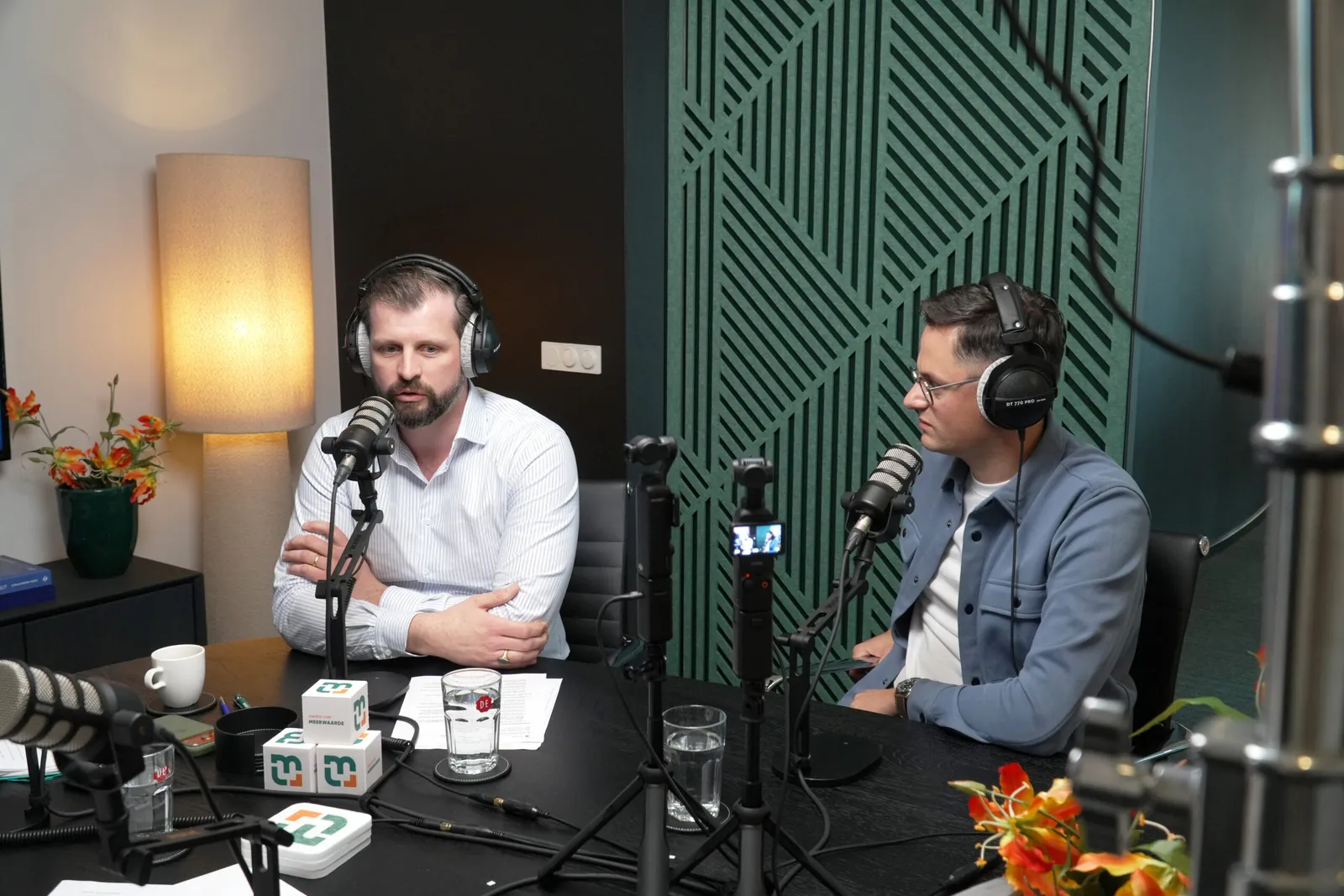
Practical validation in an in-house test centre
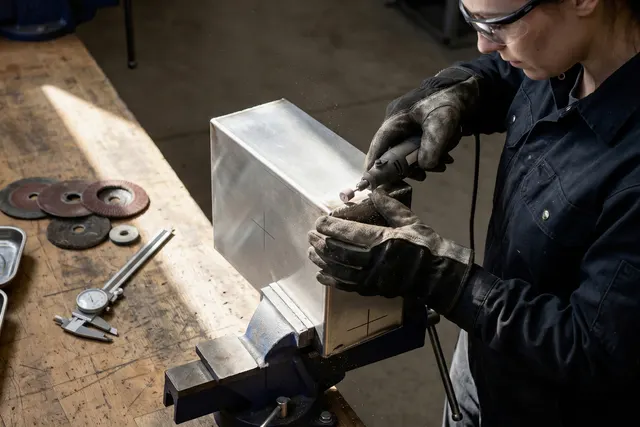
A key part of the approach is the in-house test and training centre, where processes are tested under controlled conditions. Customers bring their own products and test different solutions together with specialists. “We work with small groups and really get into the detail,” says Van Munster. “That’s when you hear reactions like: ‘Is this solution available too?’ Those are the moments when you make an impact.” The work is not based on feel alone. Measurements such as roughness (Ra and Rz) are used to substantiate results objectively. Bronsema says it is precisely in these details that the difference lies. “These are the things that determine whether a solution really works.”
Robotics reaches post-processing too
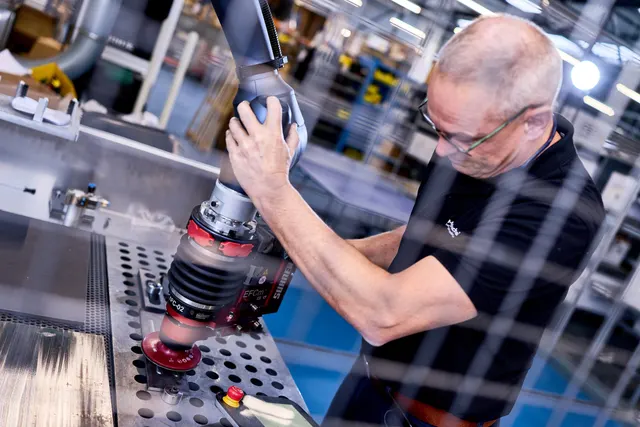
Automation is not limited to machining or welding. The use of robotics is also increasing in finishing operations such as grinding and deburring. Metaaltechniek is therefore experimenting with its own robotic setups. “An industrial robot offers greater stability and less vibration, producing a more consistent result,” says Bronsema. “A cobot, on the other hand, can be cheaper and more flexible. It depends very much on the application.” The conclusion: there is no one-size-fits-all solution. Safety, programmability and investment level all play a part in the choice.
International growth, with expertise as the bottleneck
As well as the Netherlands, the company is targeting growth in Germany and Belgium. Germany in particular is seen as an interesting market. “There is a lot of industry there, but you see our way of working, genuinely collaborating at process level, less often,” says Jansen. Scaling up, however, is not easy. The limiting factor is not technology, but expertise. “If you hire someone, it takes two years to bring them up to speed,” says Bronsema. “It takes four or five years before someone has really mastered the trade.”
A critical but often underestimated link
Surface treatment still does not receive the attention it deserves in many production environments. Jansen says this is unjustified. “What people don’t realise is that our products are a critical step in the process. Without that step, the final quality simply won’t be right.” The discussion is therefore shifting from product to process, and from cost to value. Or, as the saying goes at Metaaltechniek: it is not the abrasive that makes the difference, but what you do with it.
Een zakelijke vraag aan Metaaltechniek Handelsonderneming BV? Get in touch
Companies in this story
Keep following this
Get an email when a new story is published. No account needed.
- ThemeMetal finishing and protection
- SubjectSurface treatment
- CompanyMetaaltechniek Handelsonderneming BV