











Essential software for metalworking companies
Text Valérie CouplezImage iStock
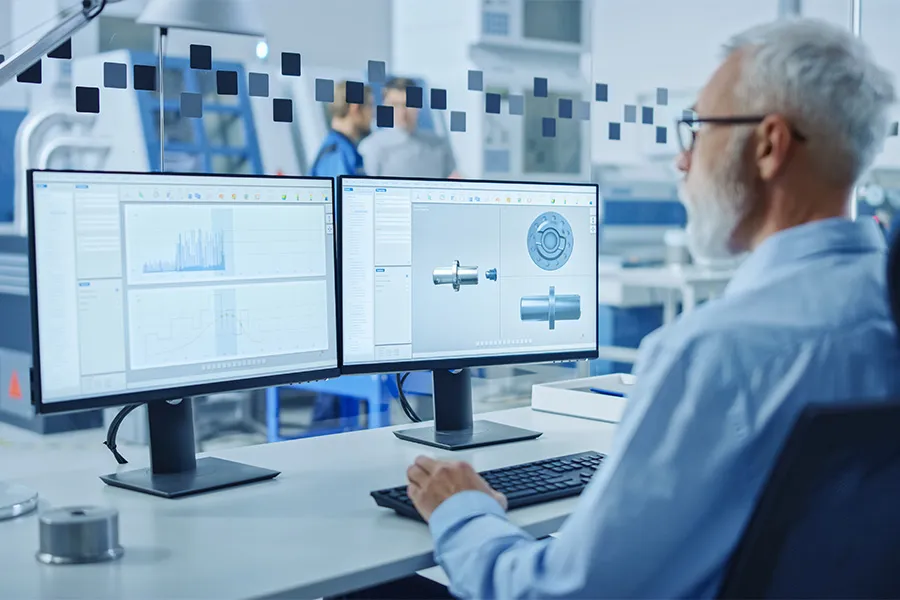
Digitalisation is one of those buzzwords no one can ignore today. But what does it mean for you as a metalworking company? And what exactly do you need to become one of tomorrow’s digital factories? The good news is that some of this software is nothing new, and you may have been using it for years already. So the digital train hasn’t left without you.
Why invest in software? Make the right choices and you can cut down on administrative tasks and shorten production lead times. The aim is to let the software do as much of the work as possible, so you can get more done with the same number of people. A digital factory is based on everything being connected. That doesn’t necessarily mean you have to digitalise all your processes at once, but it does mean you should consider the bigger picture at every step. Make sure your systems can ‘talk’ to each other, so data can flow from one system to another. This will lead to higher, more consistent production quality, greater efficiency and time savings.
CAD/CAM as a first step
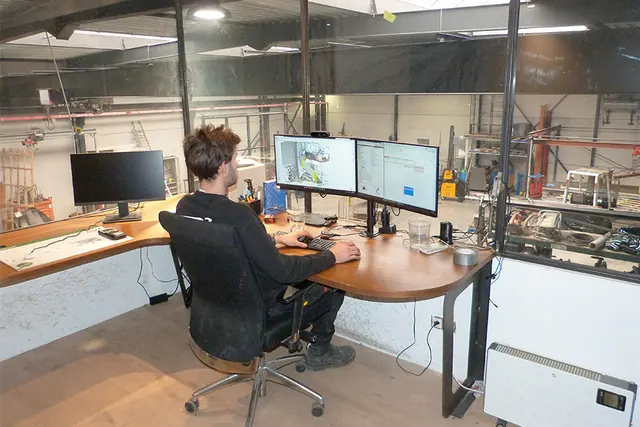
The first step for metalworking companies, one many have already taken, is introducing CAD software. This stands for computer-aided design. CAD packages are used for 2D or 3D modelling. They let you modify the drawings you receive from customers or create your own designs. In recent years, there has been a shift towards more 3D drawings, as they contain much more information and make it possible to produce parts correctly first time. The next step is CAM software (computer-aided machining), which generates a programme from the drawing to manufacture the parts. This includes simulation, so you can check in advance that there will be no collisions. Most manufacturers have their own software for this, but universal systems and post-processors are also available.
ERP for transparency
Production can already be managed digitally. But without further digitalisation, what happens to parts on the shop floor remains a black box. The next step in the right direction is an ERP package (enterprise resource planning). Choose one that goes beyond general business activities such as accounting, purchasing and sales, and understands how your production works. You can then connect your production machines and stock to it, creating transparency. You might even be able to do away with paper job tickets altogether. If a customer calls about a specific order, you can click a button in the ERP system to see which stage of production it has reached. Try to avoid customisation as much as possible and aim for integrated solutions using simple, modern connections.
Identifying opportunities for optimisation
These investments can go a long way towards translating your current way of working into digital processes. Still not satisfied? There is also PDM software (product data management), an ideal tool for managing design data and engineering processes in one central location. It can be particularly useful for companies that make their own products, making it easy to track and manage complete assemblies and revisions.
Another option is to integrate Business Intelligence. This lets you take a closer look at your own processes to see where further optimisation is possible. Dashboards can help you monitor quality, track stock levels or forecast deliveries, for example. These solutions also use all the data made available by your ERP, CAD/CAM and other packages. That is why openness matters.
Question about this story? Ask your question
Keep following this
Get an email when a new story is published. No account needed.
- ThemeFrom design to digital production
- SubjectSoftware