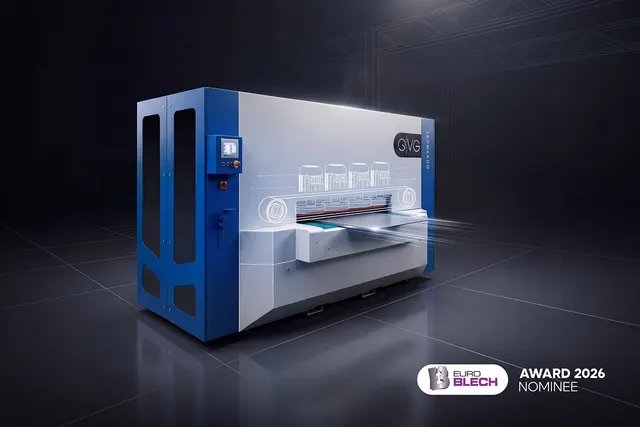












Why mechanical deburring is becoming increasingly worthwhile
Text Valérie CouplezImage iStock
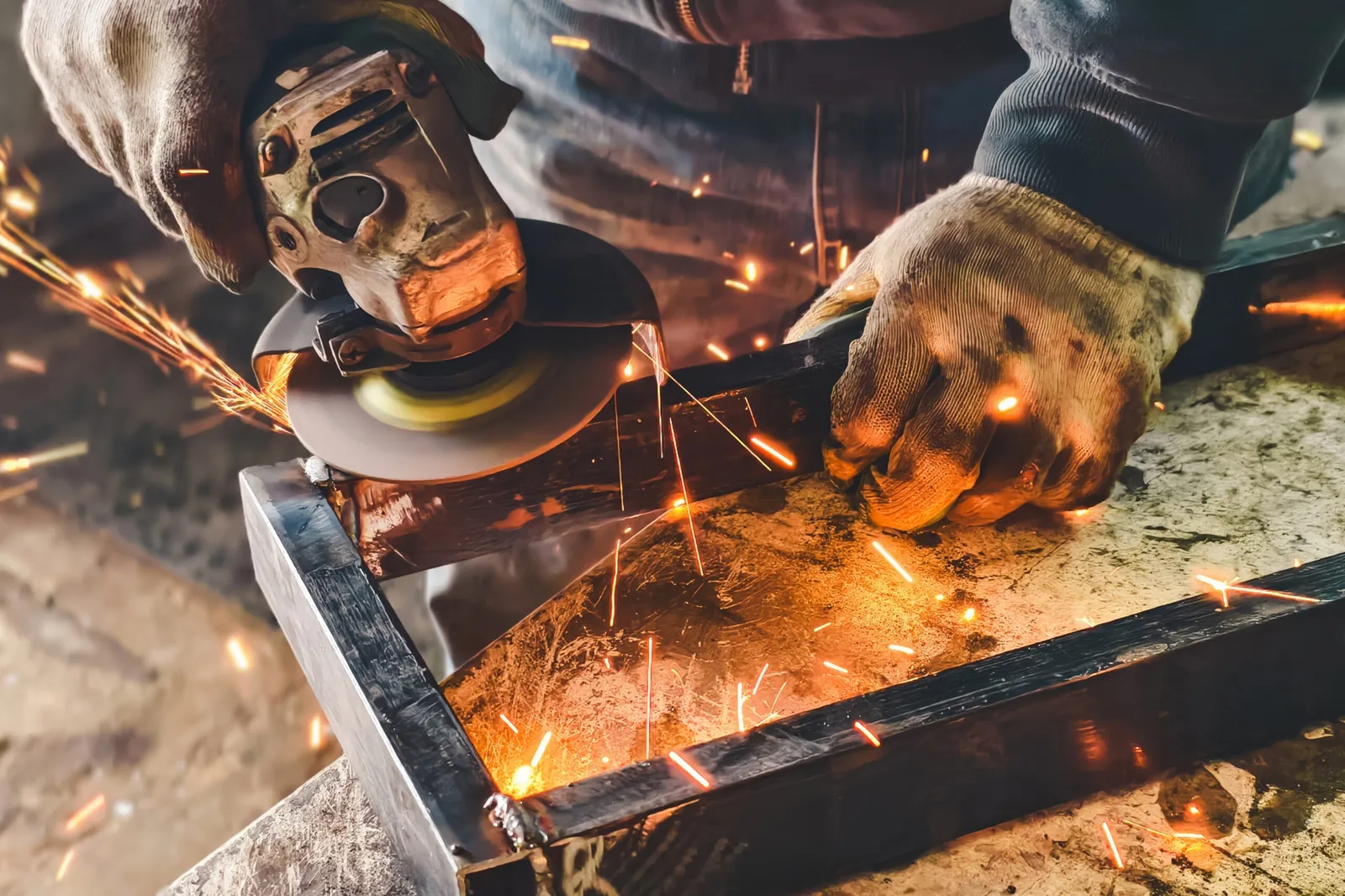
Looking to increase throughput, reduce rejection rates and give employees safer, more meaningful work? Mechanical deburring could be the answer. After cutting, bending and punching, sheet metal parts often move on to assembly, painting and other processes, where clean edges are essential. They are crucial for a good fit, further processing and safe handling. Mechanical deburring offers significant advantages: it delivers consistent results, reduces bottlenecks and frees employees from the hazards and monotony of manual grinding, allowing them to focus on higher-value tasks.
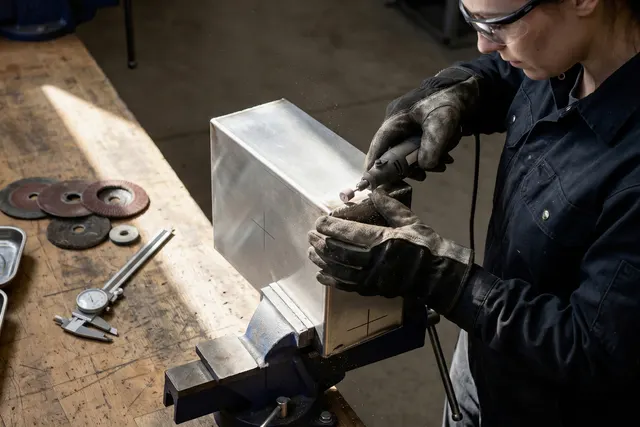
The labour pool seems scarcer than ever. This is driving metalworking companies to step up their automation efforts. A labour-intensive process such as deburring is an obvious candidate. If someone spends an entire shift manually grinding parts after laser, plasma, oxyfuel or punching operations, automation is an ideal solution. At the touch of a button, a machine delivers safe, reliable and consistently high-quality deburring results. That is not to mention the health and safety risks it eliminates: injuries caused by repetitive movements, cuts from handling unfinished parts, and inhaling grinding and metal dust. Manual grinding also takes time and does not produce consistently high-quality results. Even the world’s best hand grinders will, over the course of an eight-hour shift, grind too deeply into one part, remove too little material from another, or fail to finish an edge perfectly.
When does it really make sense?
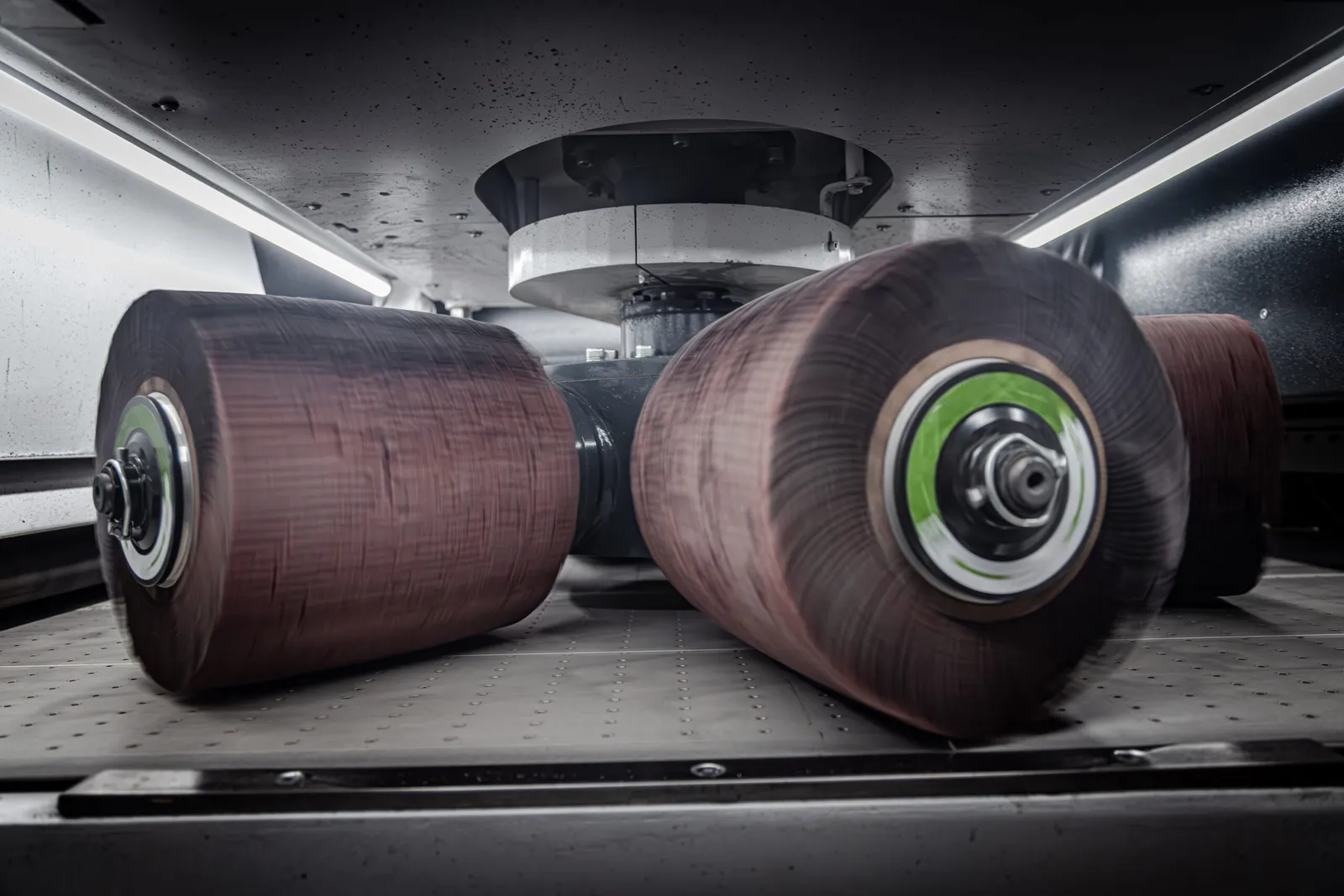
For high productivity, look for the option to change consumables quickly. The more materials and products you handle, the more important this becomes. With modern machines, changing consumables takes just a few minutes. So when is the investment really worthwhile? Look at your operations. Are you struggling to keep up with grinding work? Are rejection rates high? What is causing parts to be rejected? For example, parts may start to rust in practice after painting. This could indicate that inconsistent or poor edge finishing is to blame. Look at how the parts are cut. Do both sides need to be fully deburred? What can be done to make downstream processes more efficient? Adding a deburring machine boosts the quality of the parts you deliver and improves shop-floor efficiency, because your employees can take on other tasks.
What level of automation?
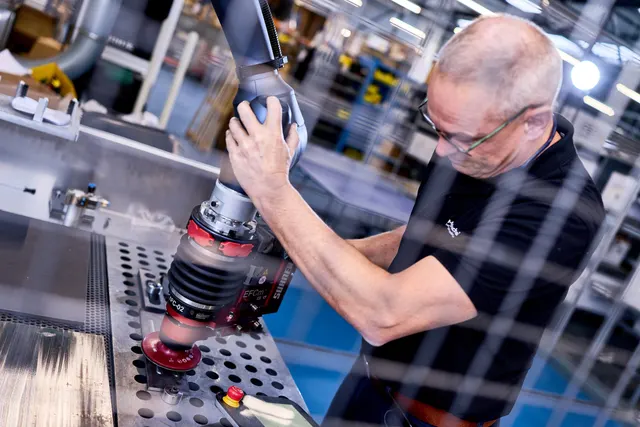
Ultimately, it all depends on the customer’s requirements. These also determine how far you need to go in automating the process. Today, with the right budget, the process need not involve any manual labour. A turning station can flip parts for processing on both sides. Brush wear can be measured and compensated for automatically. Adding a vision-guided robot, for example, can make the loading and unloading of parts fully automatic. Automatic deburring machines also benefit from advances in Industry 4.0. Programs for individual parts are stored, so the operator only has to select the product. The machine monitors all the parameters behind the process to ensure a perfect result, from the first part to the last.
Question about this story? Ask your question
Keep following this
Get an email when a new story is published. No account needed.
- ThemeMetal finishing and protection
- SubjectSurface treatment