










Why ergonomics is gradually becoming a strategic investment in production environments
Text Kris VandekerckhoveImage Leonie Snauwaert
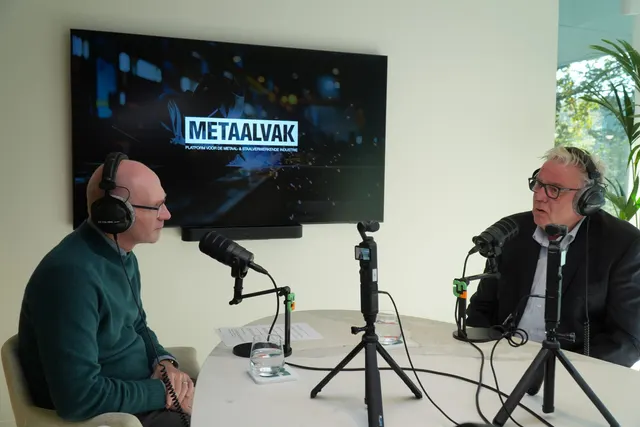
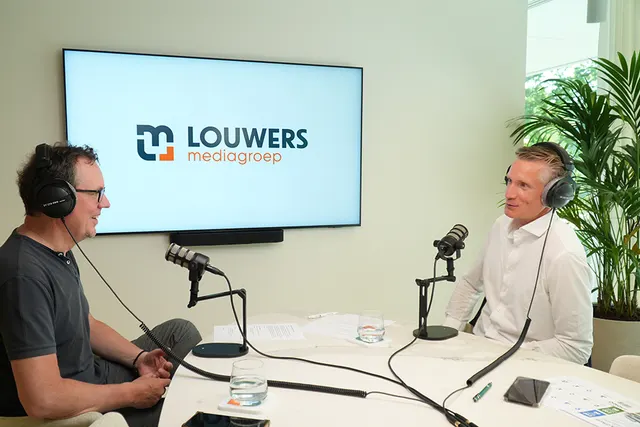
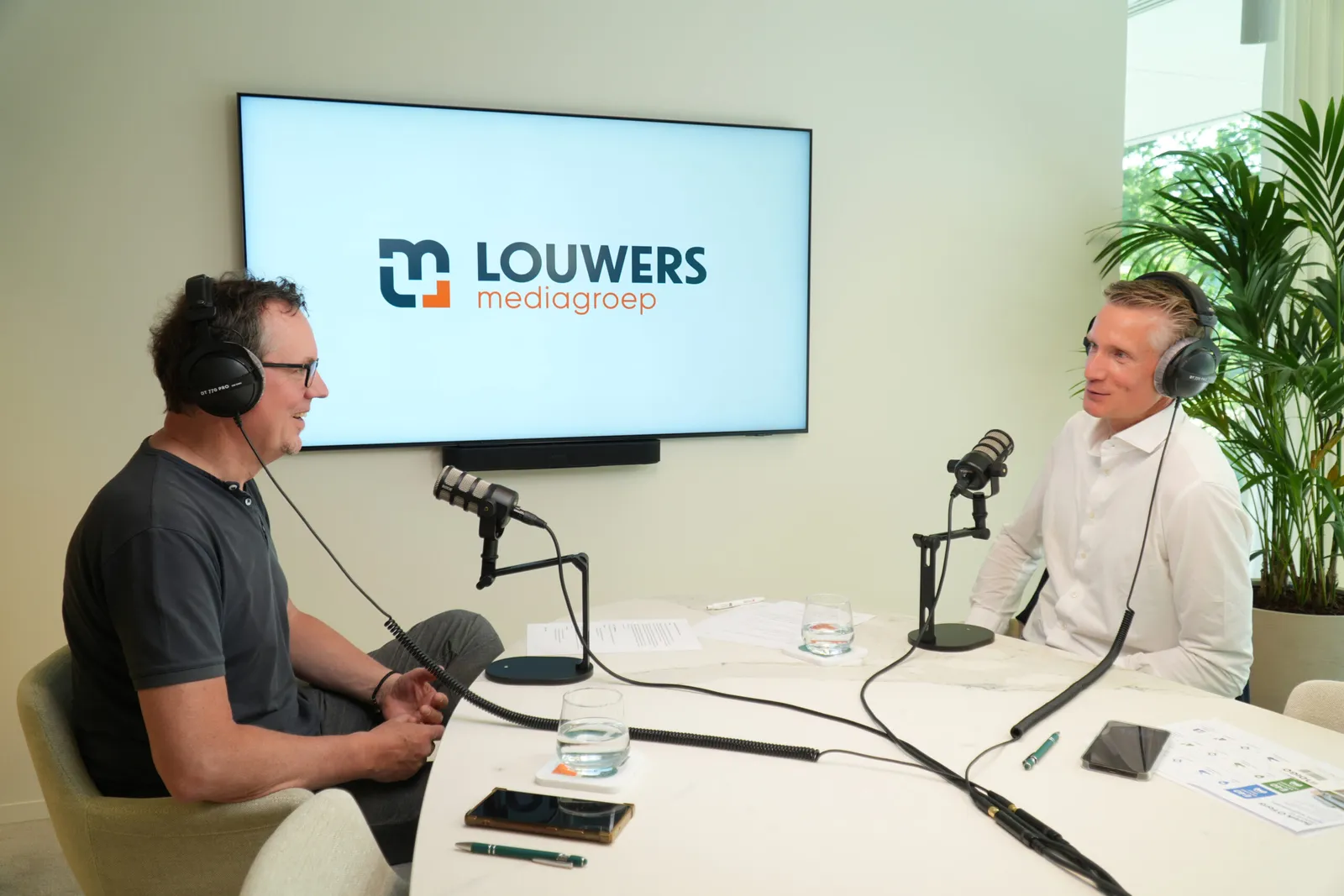
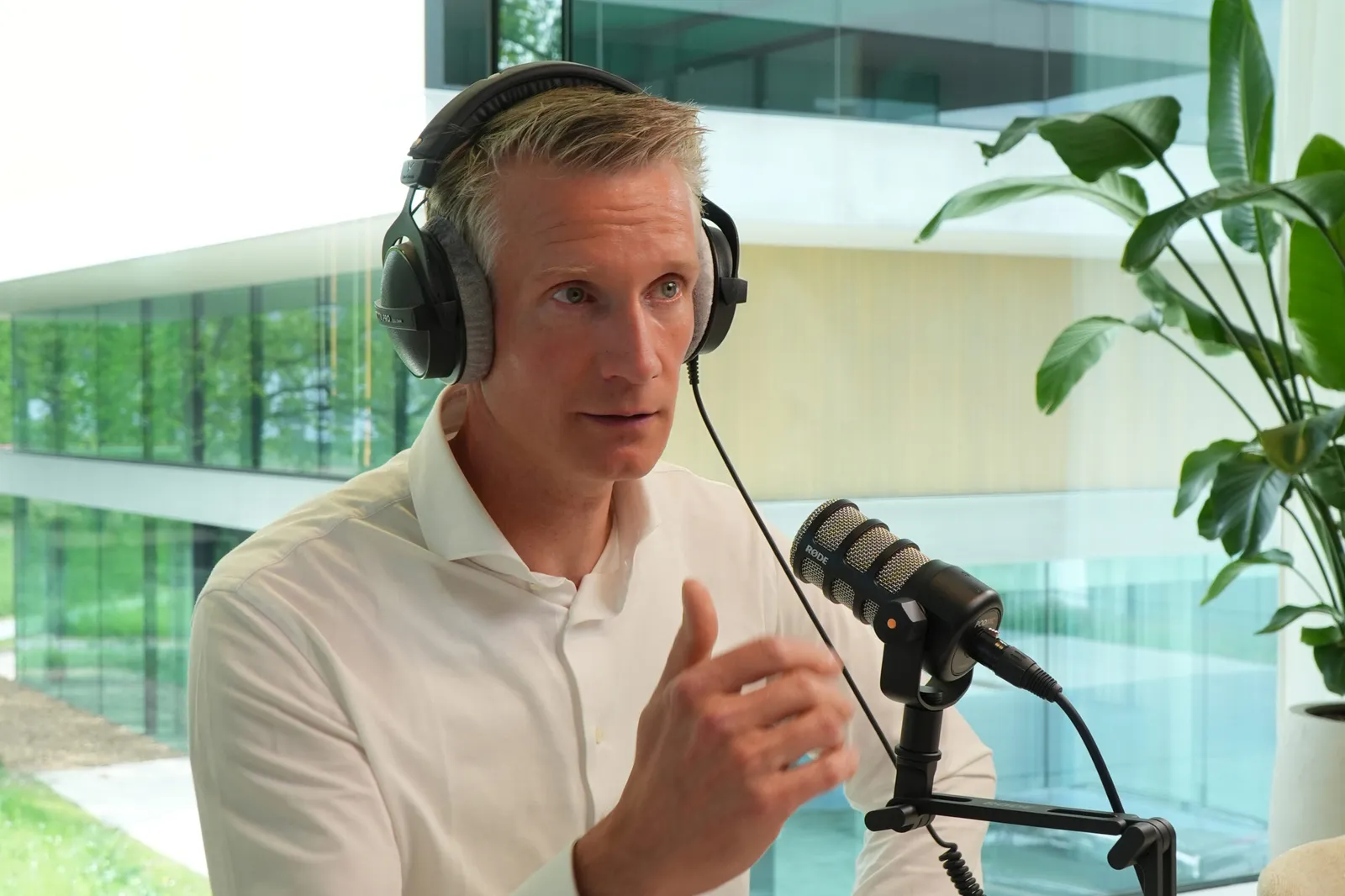
Workplace ergonomics is still too often underestimated. Until something goes wrong. Until employees are off sick. Until production slows down. Or until companies are suddenly confronted with the hidden cost of physical overexertion. In the podcast studios of Louwers Mediagroep in Oostkamp, we discussed the issue with Thierry Reversé, managing director of Arcadel in Roeselare.
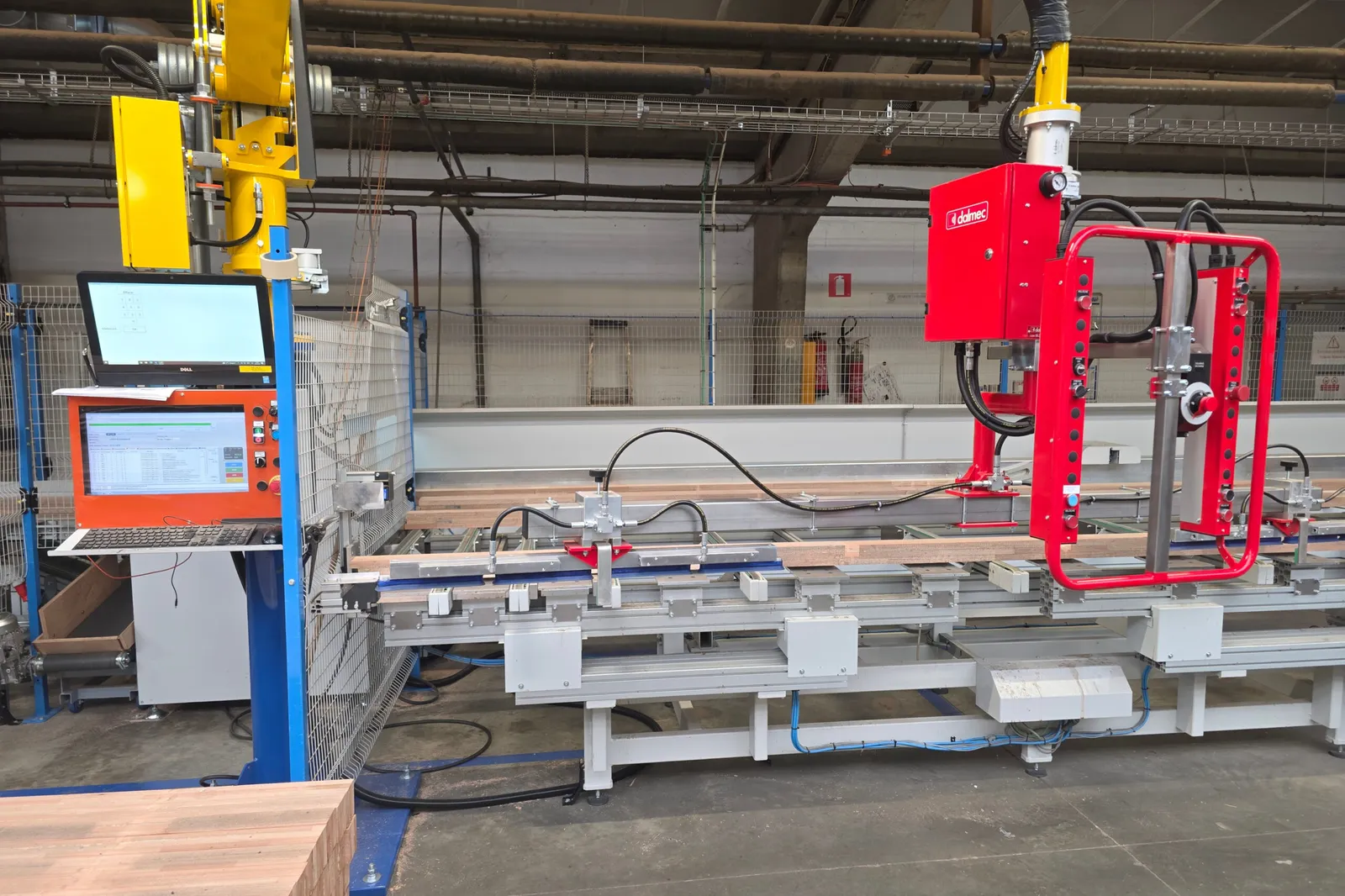
Arcadel specialises in ergonomic lifting solutions for industrial applications. Using pneumatic manipulators, systems that make heavy loads virtually weightless with compressed air, the company helps make production environments safer, more efficient and easier to work in. “Unfortunately, we regularly see proposals being put on hold until someone is off sick or the occupational health and safety department raises the alarm,” says Reversé.
“We try to make employees happy”
That may sound philosophical, Reversé admits with a laugh. But the statement reflects a clear vision: “On the one hand, there’s the employee who is spared physical strain and is glad their back is protected. On the other, there’s the employer, with satisfied employees who continue to perform well.”
According to Reversé, the real challenge today is no longer the technology. That is already available: reliable, flexible and low-maintenance. The challenge lies mainly in raising awareness among companies. Many organisations still look first at price, speed or capacity. Ergonomics then becomes something ‘for later’, until the consequences become visible on the shop floor.
The hidden cost of physical strain
That cost goes well beyond back problems. “Many people underestimate the indirect cost of replacing employees,” says Reversé. “A temporary worker does not immediately work at the same pace, and the entire HR process behind it also takes time and money.”
That is why ergonomics is gradually becoming a strategic issue for manufacturing companies. It is not just about wellbeing, but also about productivity and continuity. Particularly in a labour market where technical professionals are increasingly hard to find, it is becoming more important to keep employees healthy and motivated at work for longer.
No one-size-fits-all solutions
That is why Arcadel works almost exclusively on a bespoke basis. Every company, workstation and task calls for a different approach. “An investment must be used in practice and create added value,” says Reversé. “If the operators do not embrace a solution, it misses the point.” This bespoke approach can be seen in a range of projects. Arcadel, for example, contributed to a new trimming line at DAF Trucks in Westerlo, where ergonomic manipulators were integrated into a fast-moving production line for truck cabs.
An ergonomic lifting solution also brought about a clear change on the shop floor at a manufacturer of sun protection systems. Operators there had to handle packaged structures weighing up to 150 kilograms by hand. “These were workstations nobody wanted to be at,” says Reversé. “Today, everyone is happy.”
Ergonomics versus robotics? “More of a complement”
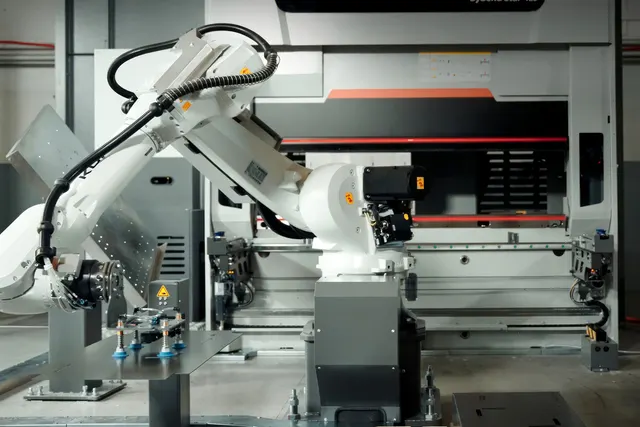
The growing automation of industry does not make ergonomic solutions redundant. Quite the opposite. “We often complement robotic automation,” says Reversé. “Robots are particularly useful for fully repetitive processes, whereas our solutions remain flexible and are much more accessible in terms of investment.”
In his view, companies will increasingly seek this combination in the future: smart automation where possible, with ergonomic support where human tasks remain necessary.
“The earlier companies involve us, the better”
The key message? Waiting until problems arise often ends up costing more than investing in good time. “As soon as you have a question about how something should be lifted or moved, involve us,” concludes the ambitious managing director. “The earlier we are involved in the process, the better we can respond to the needs of the shop floor.”
Een zakelijke vraag aan Arcadel? Get in touch
Companies in this story
Keep following this
Get an email when a new story is published. No account needed.
- ThemeSkilled professionals for a changing sector
- SubjectAutomation
- CompanyArcadel