











Leave fluid management to the experts, it pays more than it costs
Text Frank SenteurImage Lubsolutions
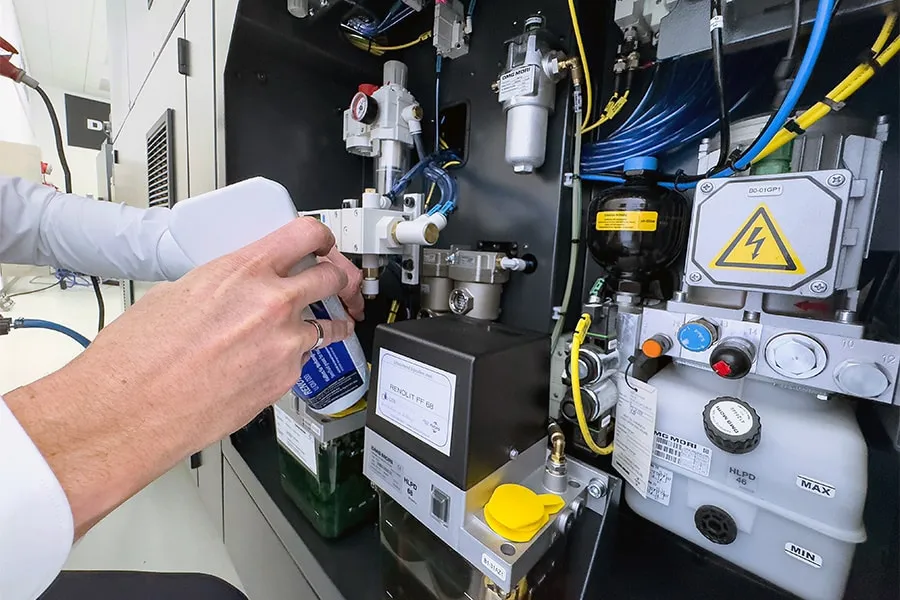
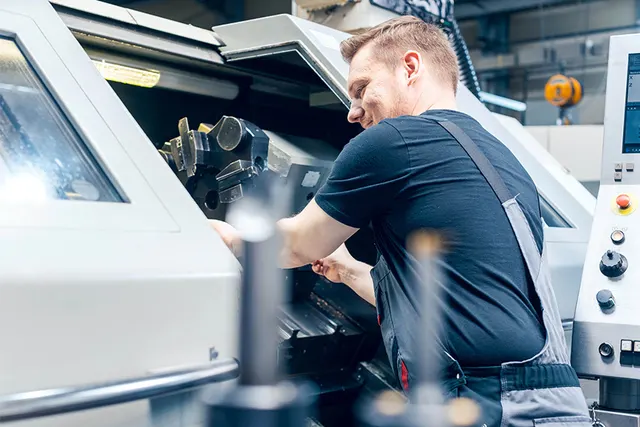
Experienced machinists should not waste time on fluid management
At many machining companies, it is an established practice for some machine operators to also be responsible for fluid management and machine maintenance. However, wages have risen considerably over the past two years, while experienced machinists are becoming increasingly difficult to find. Should you still burden these scarce and expensive skilled workers in your company with fluid management? After all, they are far more valuable to the business when they can focus full-time on what they do best: making products. More and more companies are realising this, but who should you outsource fluid management to, and to what extent? And what can you expect from doing so? We asked Dennes Lagendijk, managing director and owner of Lubsolutions Benelux BV in Gorinchem.
‘Important developments are taking place in the machining industry,’ says Lagendijk. ‘For example, there has been significant investment in upgrading and automating machine fleets. We are seeing more and more CNC machining centres equipped with robots/cobots and/or connected to pallet loading and unloading systems. The machining industry is not only using this approach to move towards efficient production with minimal staffing, or even fully unmanned production. It also allows scarce skilled workers to oversee several machines, providing at least a temporary solution to the shortage of experienced machinists. However, unmanned or minimally staffed production also has major implications for the requirements placed on the quality, durability and performance of the tools, lubricants and metalworking fluids used.’
Greater expertise required
‘Higher requirements mean that more specialised, tailored expertise is needed to select machining fluids and use them at the correct concentrations,’ Lagendijk continues. ‘This is also because, in minimally staffed production, machine parameters are often dialled back somewhat to prevent tool wear or breakage, among other things. To compensate, you can use higher-performance tools and opt for the latest generations of fluids. These have a hugely positive effect on tool life, which can increase by a factor of two to three. This directly improves production efficiency, because every tool change made during a run means production downtime. This is how you win back production time.’
Specialist work
Not only do the effects of good, professional fluid management have an ever greater impact on production results, but increasing health & safety requirements also make it almost impossible for companies to find the best approach themselves. ‘For example, the disposal and processing of used emulsions has become considerably more expensive,’ Lagendijk stresses. ‘This is especially true when they contain so-called “substances of very high concern” (ZZS). ZZS are substances that are hazardous to people and the environment, such as heavy metals and PFAS/PFOS. Some waste processors would rather not handle fluids containing ZZS at all, and if they do, they charge extremely high rates. So you need to pay close attention to this when selecting metalworking fluids, because there are significant differences between products.’
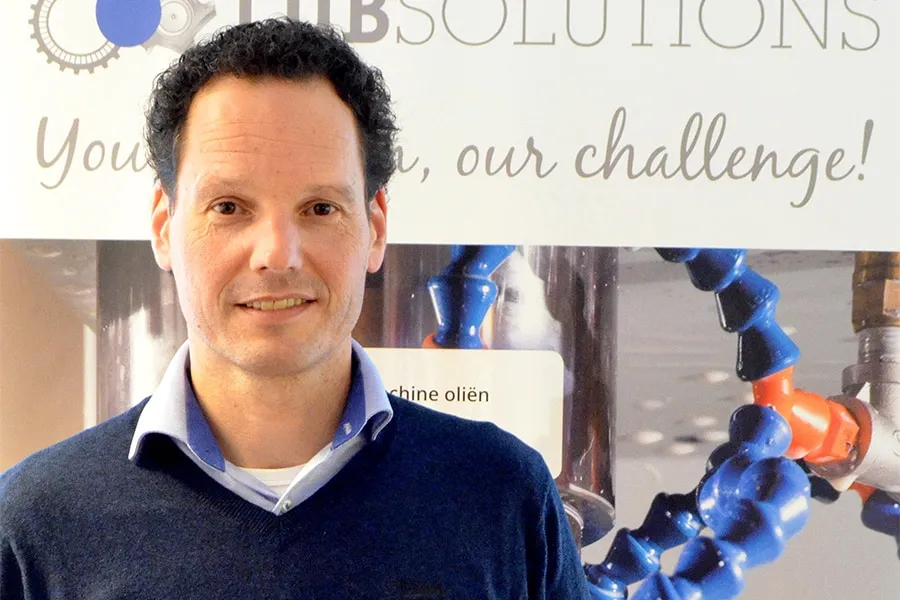
The complete picture
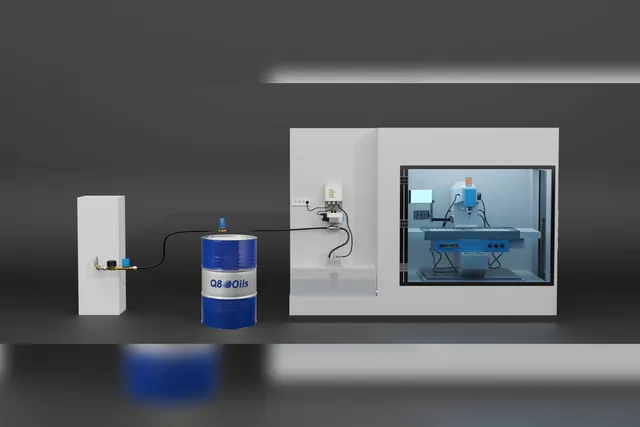
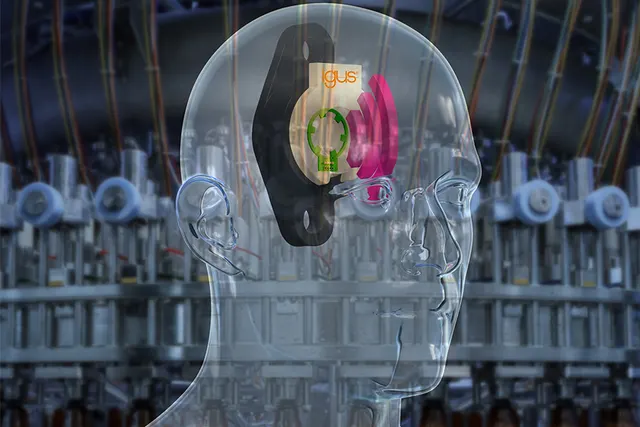
‘Many companies no longer know how to organise their fluid management to avoid problems and high costs,’ Lagendijk continues. ‘This is also because, as mentioned, there are many factors to take into account. As well as purchasing fluids and preparing them correctly, there are numerous related technologies and systems for monitoring machining fluids and keeping them in optimum condition. These include regular checks on concentration, bacterial growth, tramp oil, foaming and certain chemical values. Removing tramp oil and filtration are also important for keeping the fluid clean and optimising its service life. This is known as “good housekeeping”, and not all companies yet appreciate how important it is. This is partly because growing requirements for accuracy and cleanliness, particularly in demanding industries such as semiconductors and medical devices, mean that work has to be carried out with ever greater precision and cleanliness. As a one-stop supplier, we can take care of some or all of your fluid management. Your skilled, experienced operators can focus on production while we work behind the scenes to ensure the right fluids are used and kept in optimum condition. It goes without saying that this delivers maximum production efficiency, while typically also bringing a worthwhile reduction in Total Cost of Ownership.’
A worked example
Suppose you have fifteen machining machines. If you handle the maintenance of lubricants and coolants yourself, one employee will soon be spending two days a month checking, topping up and/or changing them. This costs around € 15,000,- a year in gross wages. But that is not all. In practice, machines regularly stand idle because fluid levels are too low, or fluids have to be replaced prematurely due to poor maintenance (and a lack of knowledge). Another consequence of poor maintenance is that employees are more often off sick with respiratory and/or skin complaints caused by bacteria and/or smoke. In addition, the wrong product and/or concentration can have a very negative impact on machining quality and tool life. Taken together, these issues cost the company almost € 20,000,- a year. The direct, indirect and hidden costs of managing fluid maintenance in-house therefore quickly add up to around € 35,000,- a year, on top of the cost of purchasing and disposing of fluids and lubricants. If you outsource all your fluid management to Lubsolutions, the combined costs immediately fall by around 30 to 45%. But the benefits are much greater, of course. Your people become more available, machines are idle less often, and you save on purchasing and disposal costs for fluids because optimum maintenance makes them last much longer. Tool life also increases, and you can run your machines harder, boosting productivity.
Question about this story? Ask your question
Keep following this
Get an email when a new story is published. No account needed.
- ThemeKeeping machines and workshops operational
- SubjectMaintenance