











Is designing with tube becoming the new standard?
Text Erik SteenkistImage BLM GROUP en Coppens Metaal-techniek
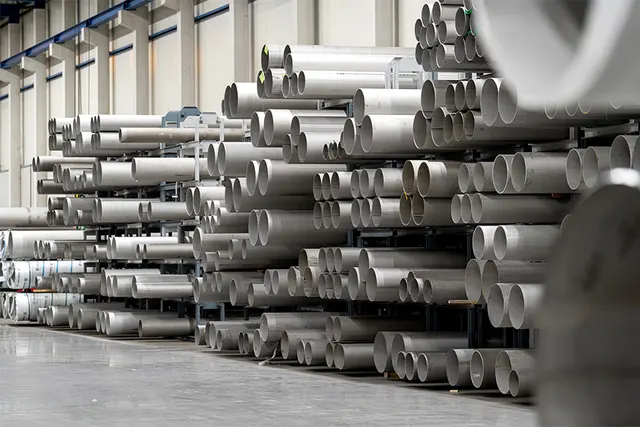
Since the advent of the sheet metal laser, structures have predominantly been designed using sheet metal. Today, however, they are increasingly being made from tubes and hollow sections. This is not only because they offer a more sustainable way to build lighter, stronger structures with less welding, but also because machine and software technology has advanced considerably. Bas Coppens, owner of Coppens Metaal-techniek, has seen this first-hand. Thanks to BLM GROUP’s cutting and bending technology, his company has become a trendsetter in tube processing.
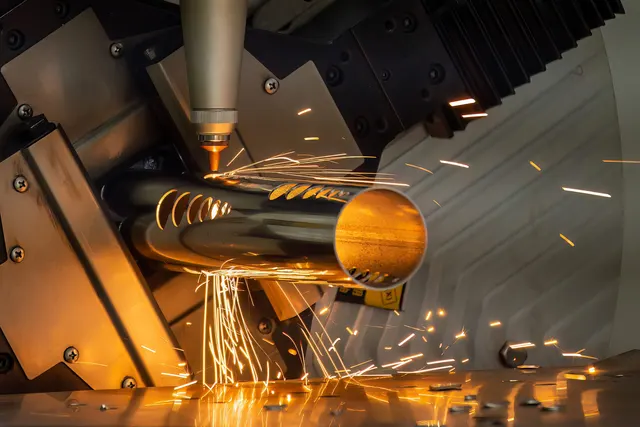
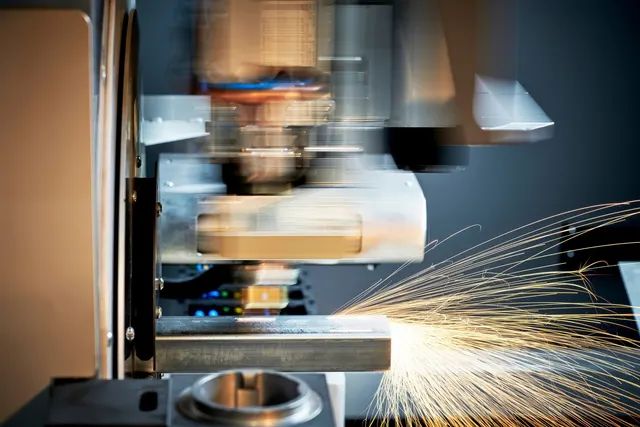
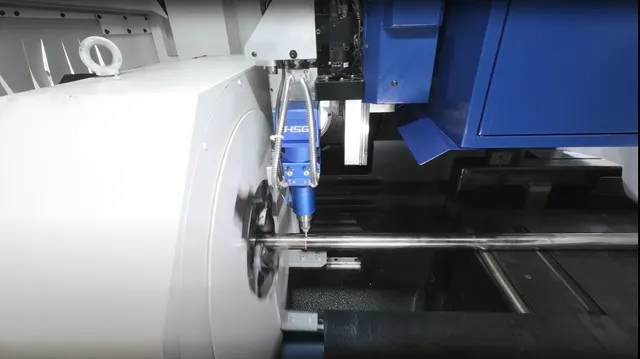
Bas Coppens: “When BLM Adige developed the first tube laser more than thirty years ago, designers were introduced for the first time to the possibilities of cutting joints into tubes in the form of recesses, slots or notches, making it possible to design structures more intelligently. With its tube laser cutting technology, BLM Adige brought about a breakthrough in the manufacturing industry. Since then, BLM GROUP has continued to advance the technology, becoming a leading player in tube processing in both machinery and software, with its own Benelux branch.”
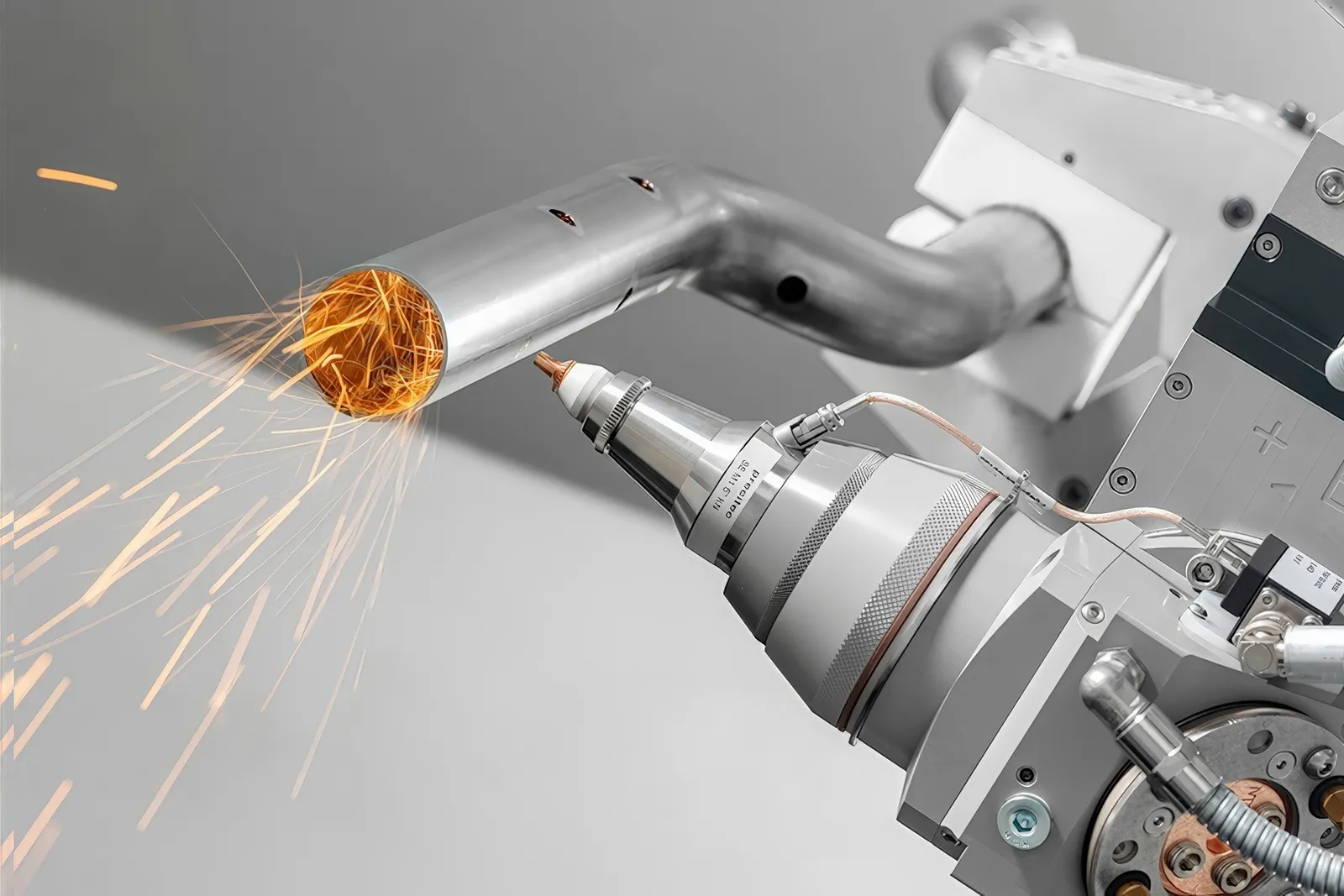
Designing lighter structures
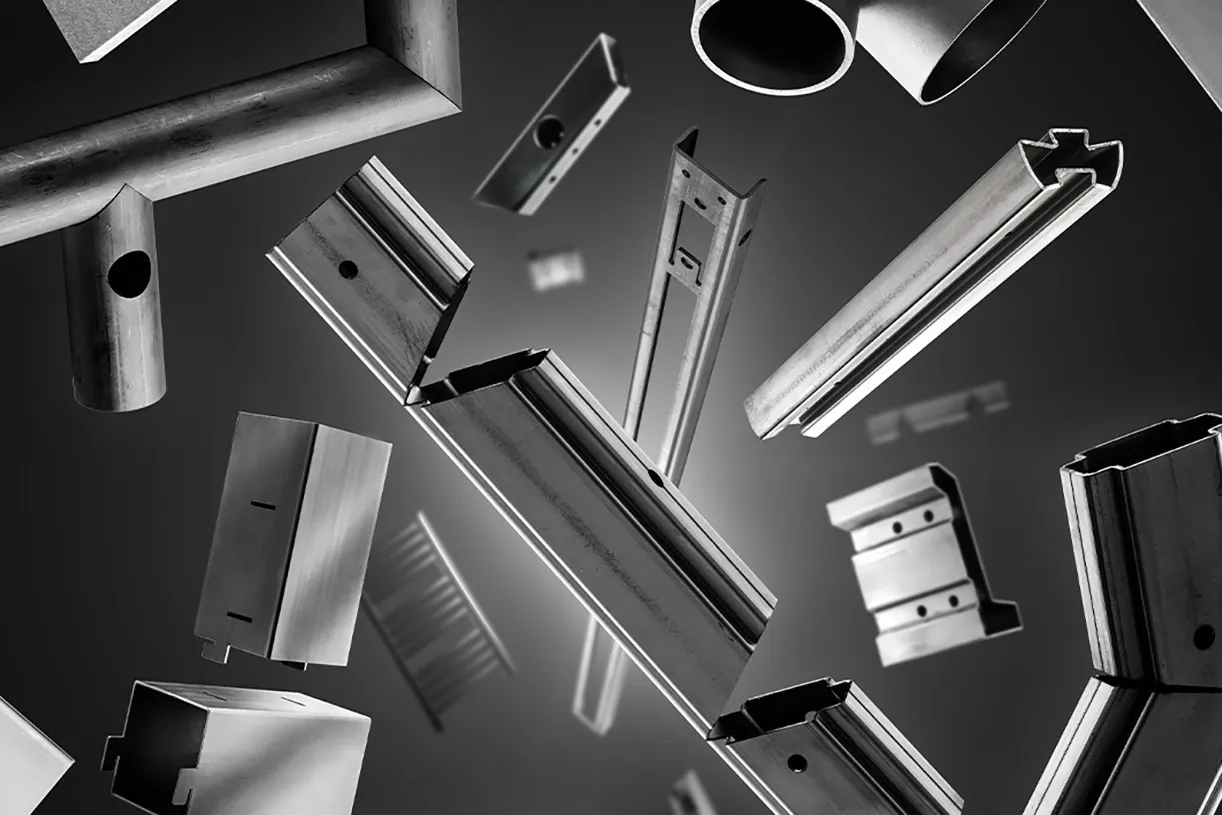
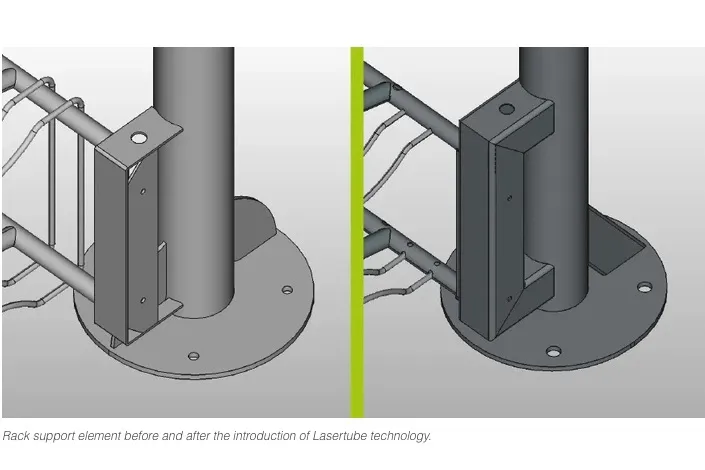
Coppens Metaal-techniek was among the early adopters to apply the production capabilities of this new technology to its own products and subcontracting work at an early stage. Bas Coppens: “Cutting ‘slots and tabs’ makes it possible to join tubes without additional fasteners or clamping equipment. This saves a huge amount of time during assembly and fabrication. More importantly, tubes allow you to design lighter structures, a key factor in creating lightweight, sustainable structures for a wide range of applications, from frames to furniture. If you can design a lighter structure, you also need less material. That is more sustainable and often stronger too.”
Combining cutting and bending
“Most cut tubes ultimately need to be bent. This presents a number of challenges. Will holes cut into the tube still be in the same position after bending, given that the material deforms during the process? Can you also make holes in a bend? This requires not only expertise, but also the right technology.”
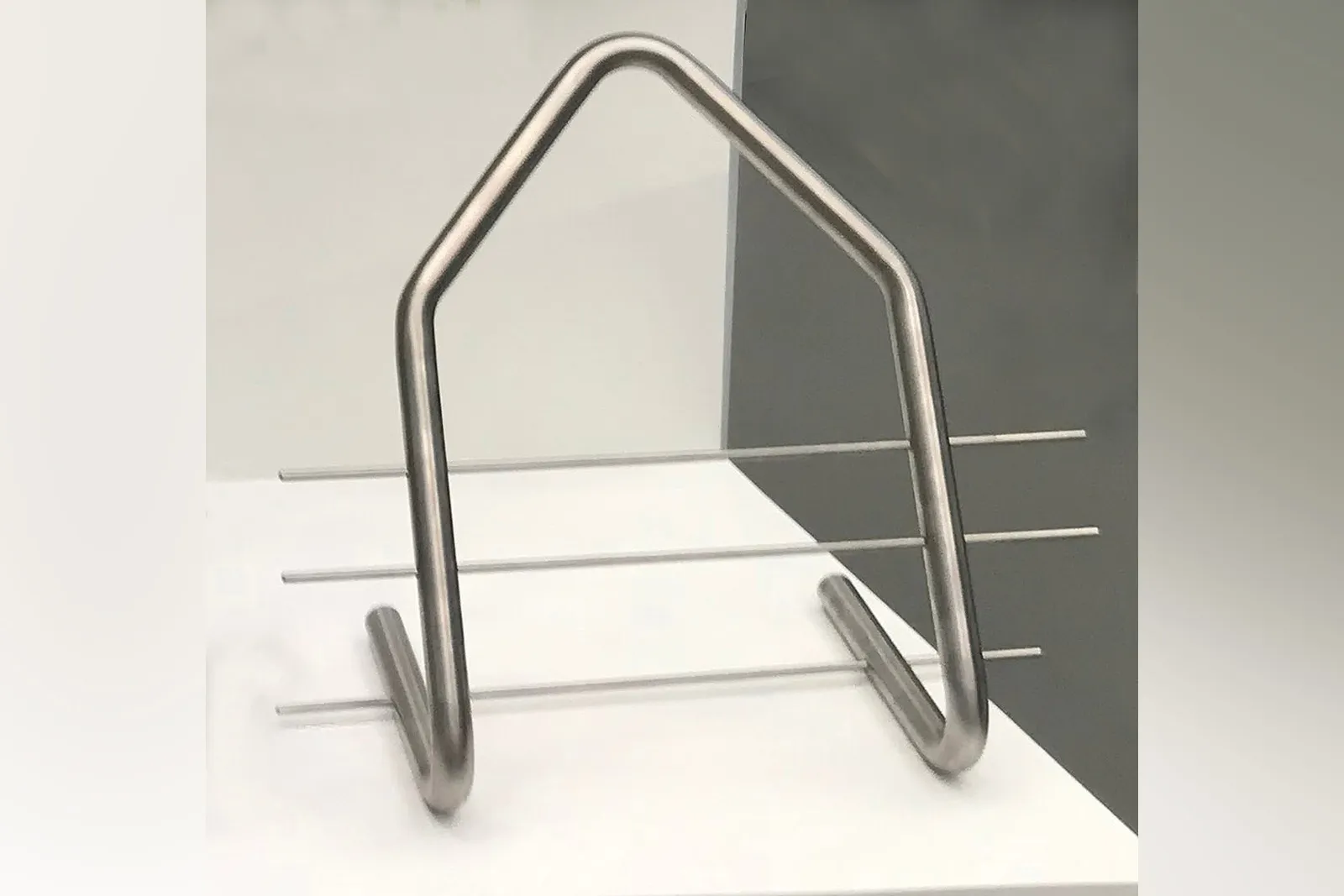
All-in-One technology
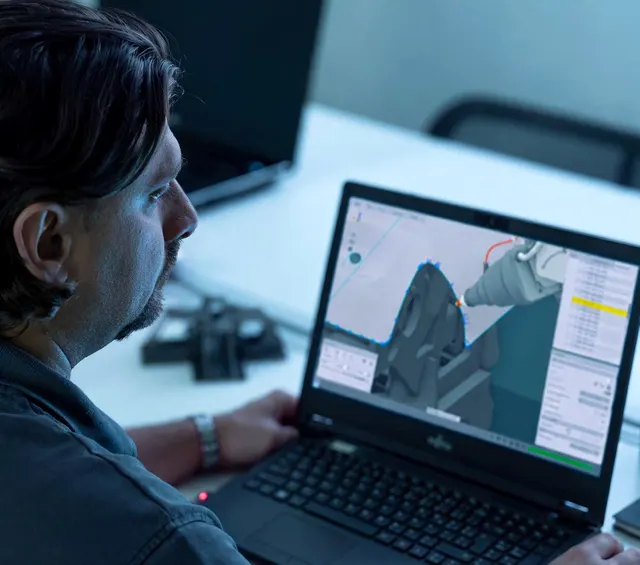
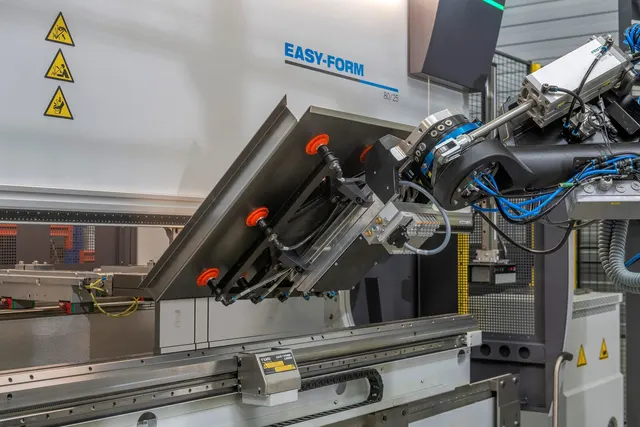
The All-in-One technology developed by BLM GROUP ensures that cutting and bending operations are optimally coordinated, so holes are in the right position from the very first workpiece (first-part-right). Bas Coppens: “All our tube lasers, mandrel bending machines and 3D laser cutting machine, all from BLM GROUP, are digitally connected, forming an ‘All-in-One’ precision bending and laser cutting platform. Once we know the material properties and how the material behaves, ‘All-in-One’ lets us determine in advance the developed length of tube the tube laser must supply to the bending machine. That makes trial and error a thing of the past.”
Cutting holes after bending
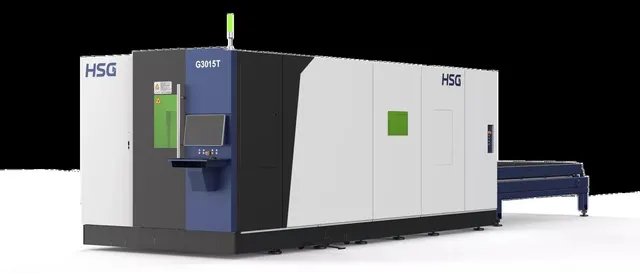
If holes are cut in or close to a bend beforehand, the tube will tear at that point during bending. “That is why we cut them after bending, using a 3D laser cutting machine. For this, we use BLM GROUP’s LT FREE 3D laser. It also allows us to add weld preparations, countersunk holes and more to tubes and hollow sections after they have been bent.”
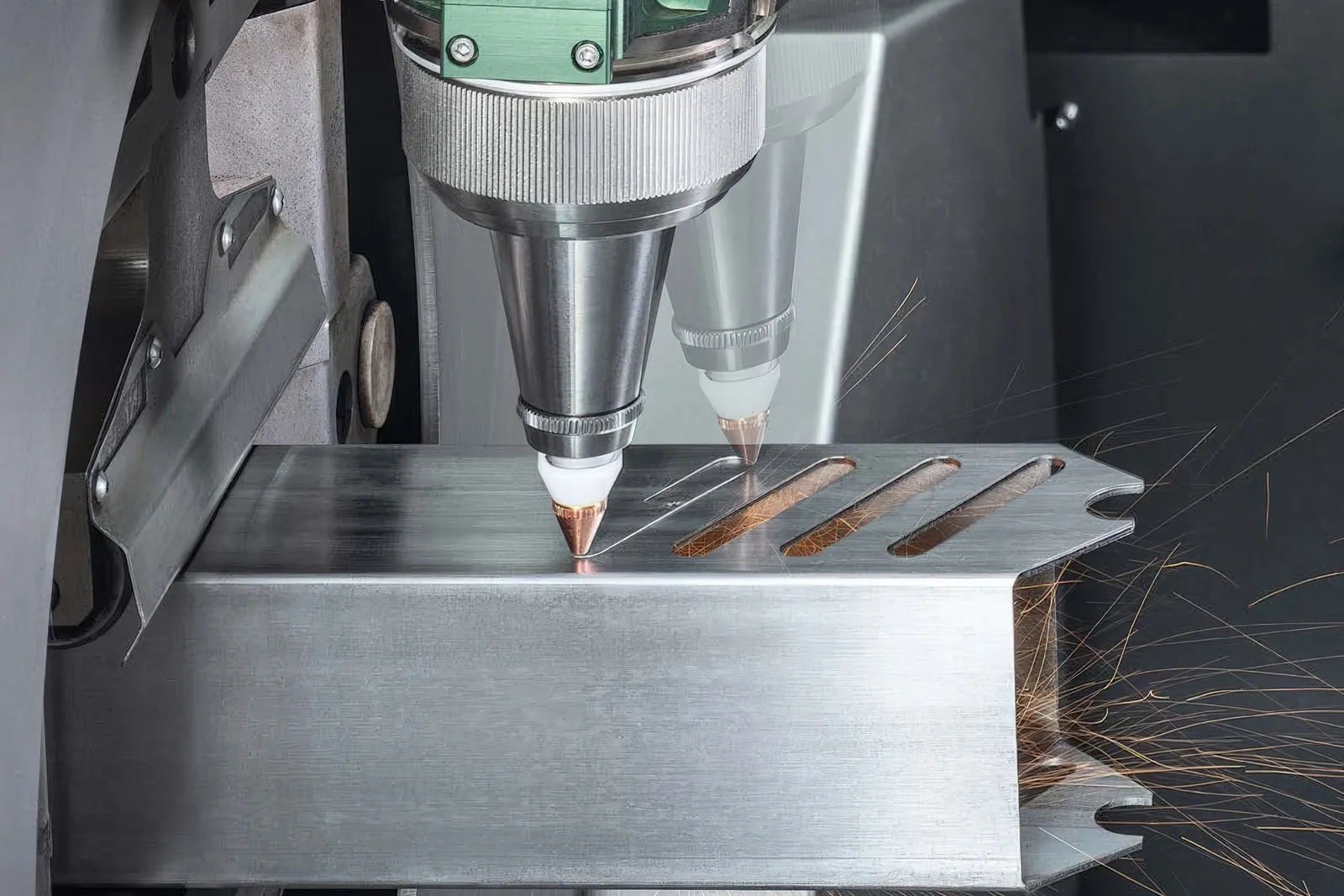
Lighter, stiffer and more cost-effective to produce
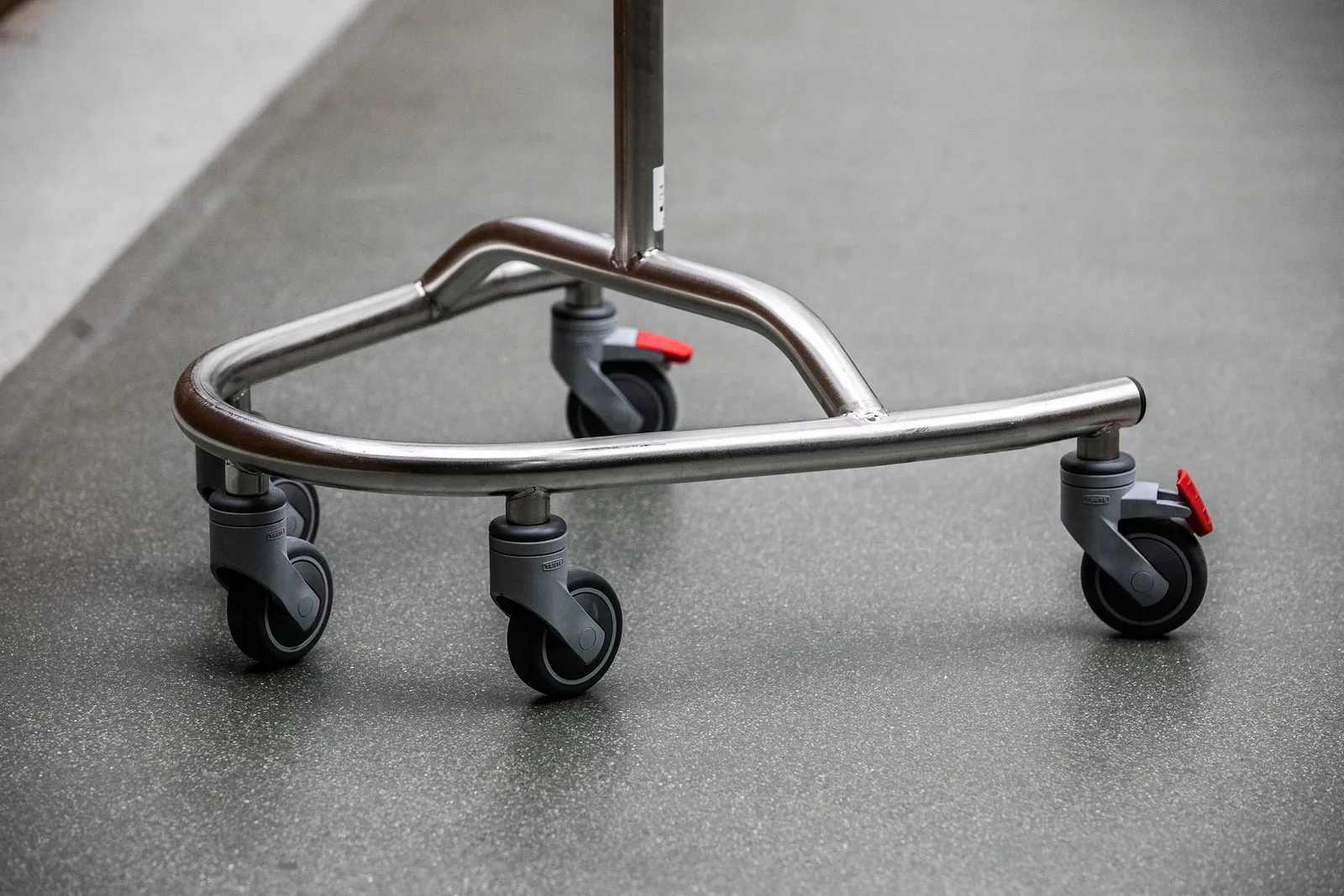
Drawing on its expertise and BLM GROUP’s technology, Metaal-techniek makes products for a wide range of sectors, including the medical and agricultural industries, and motorcycle manufacturers. As an example, Bas Coppens cites an IV stand for medical use, which makes extensive use of tube to create a lightweight, rigid product that is cost-effective to manufacture by combining laser cutting and bending.
Tube is the future
The rise of tube structures is not a passing trend, but a clear shift towards more efficient, sustainable and intelligent design. Thanks in part to ongoing technological developments by companies such as BLM GROUP, tube processing has become an extremely precise manufacturing technique, offering designers and manufacturers unprecedented freedom and efficiency. What began as a niche has now become the new standard in many sectors.
Companies such as Coppens Metaal-techniek show how combining advanced tube lasers, smart bending technology and in-depth materials expertise leads to structures that are lighter, stiffer and easier to manufacture.
The question is not whether designing with tube will become the new standard, but how quickly the market will make the shift. The possibilities are there: the future is tube!
Question about this story? Ask your question
Keep following this
Get an email when a new story is published. No account needed.
- ThemeFaster, more accurate sheet metal processing
- SubjectTube laser cutting