











Simple tips for perfect deburring
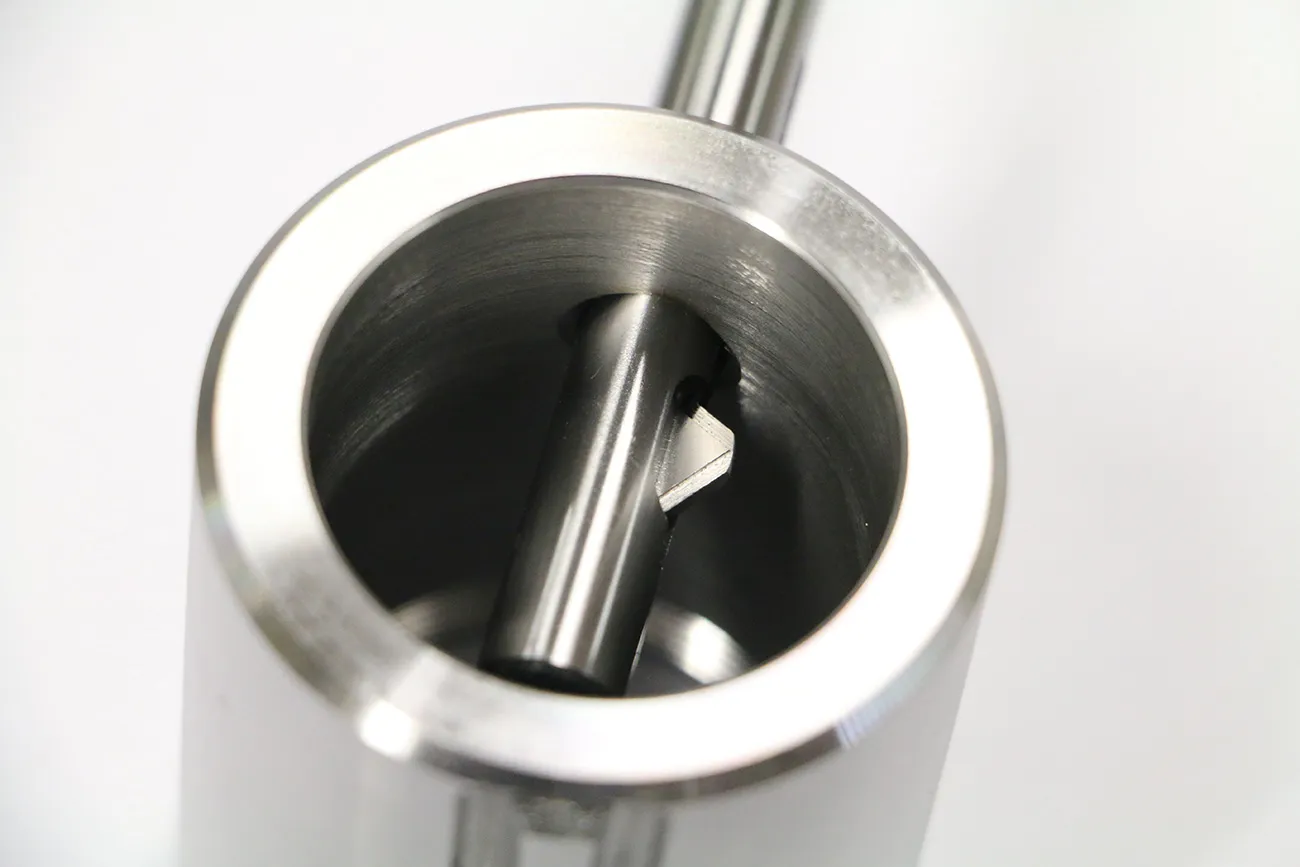
Deburring removes small imperfections from metal parts to produce perfectly finished products. Deburring is not just about aesthetics: burrs can also compromise a workpiece’s functionality, service life and safety. There are several ways to deburr. Manual and mechanical deburring are the two most popular methods, but thermal or electrochemical processes can also be used for hard-to-reach areas. In this article, we share four simple tips for a perfect result.
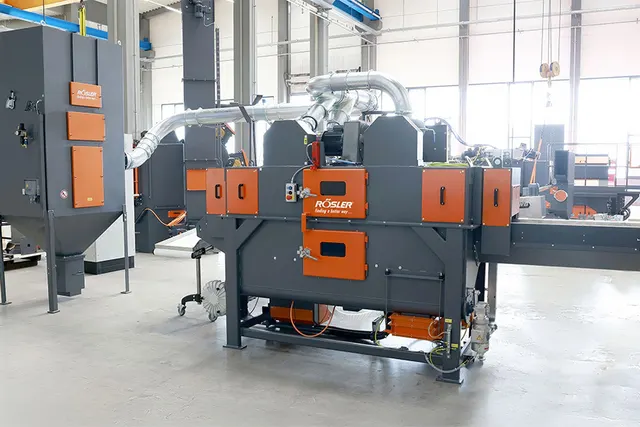
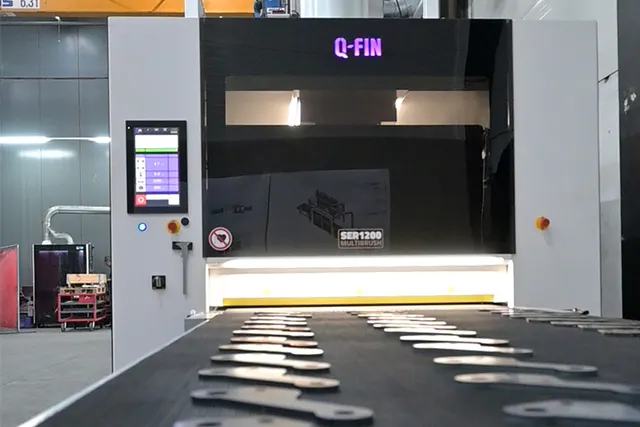
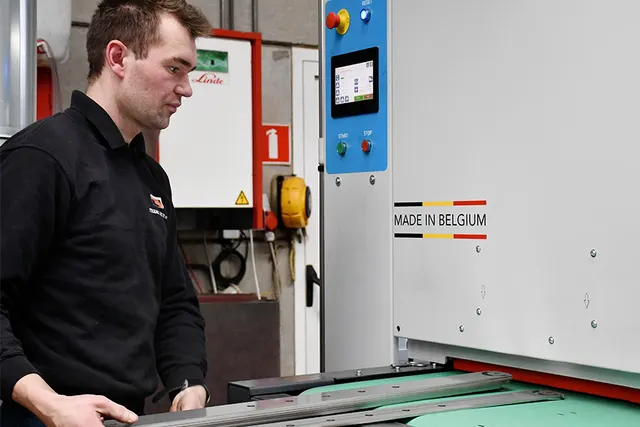
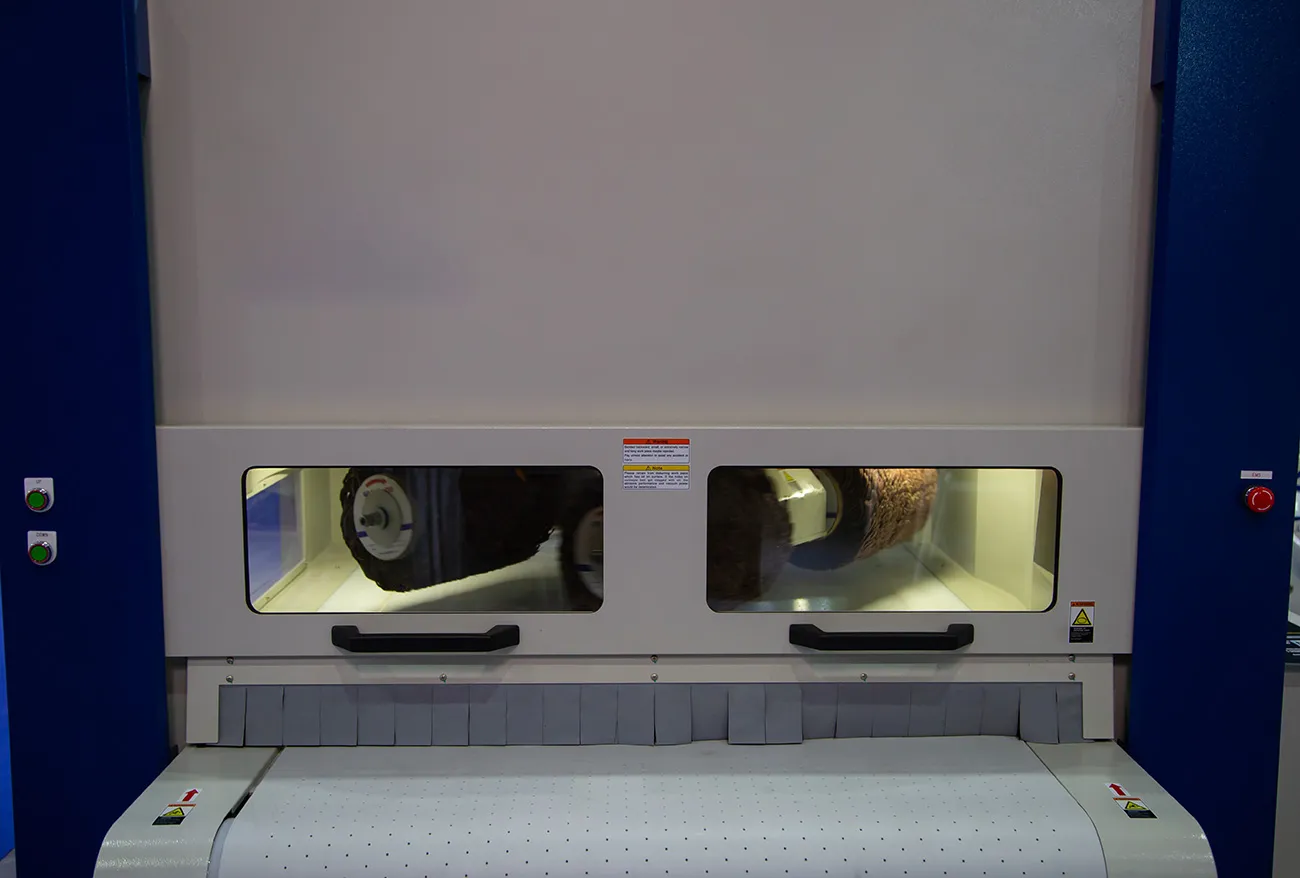
Most workshops still rely on manual deburring. Once parts come off the machines, an operator finishes them straight away, ready for the next step. However experienced your operator may be, they will never match the speed and consistent quality of an automated deburring system. Manual deburring also takes a great deal of time and effort, which affects productivity. The finish can also vary considerably from one part to another. Not to mention the physical harm involved, whether in the short term from the sharp edges of burrs or in the long term from the repetitive movements required for deburring. It is high time, then, to consider automated solutions, particularly if you want to improve the efficiency, consistency and safety of deburring operations. Deburring machines work faster and deliver the same smooth, uniform finish on every part. In some workshops, installing a deburring machine has doubled the number of parts processed per shift.
Use cutting fluids
Cutting fluids are specialist lubricants developed for metalworking. In deburring, they can help control resistance and heat build-up between the metal and the deburring tool. Deburring machines can generate considerable heat during prolonged use, which may be difficult to remove with air cooling alone. To prevent friction, operators then switch the machines off. Cutting fluids can be an effective alternative, acting as both a lubricant and a coolant so that deburring operations can run for longer. They also allow you to increase process speed, making each part quicker and more cost-effective to process.
Use a rotary brush on metal parts with a surface coating
If you regularly work with metal parts that have undergone laser cladding or have a surface coating such as zinc, you will have noticed that deburring can damage the surface. Rotary brushes can help in this situation. Deburring machines fitted with these brushes deliver a uniform, burr-free finish, including along the edges of laser-cut, punched or machined parts with this type of coating. This can further improve the efficiency of your deburring operations.
Deburr and finish in one operation
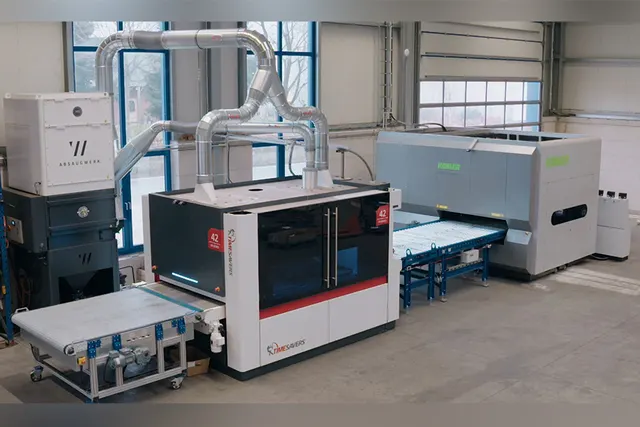
Finishing processes such as deburring and polishing do not necessarily need to be carried out separately. With an automated solution and the right equipment, both tasks can be performed at the same time. The surface can be finished to the required grit while the edges of the workpieces are deburred in a single pass, provided the deburring machine is equipped with a combination of belts and brush heads. This investment can save a considerable amount of time and improve profitability in the workshop.
Question about this story? Ask your question
Keep following this
Get an email when a new story is published. No account needed.
- ThemeMetal finishing and protection
- SubjectDeburring